
Brexit anniversary finds Britain facing another change of prime minister
Ten years after the 2016 vote to leave the EU, the U.K. is set for a seventh prime minister as voters drift from the main parties.
By Daniel Okafor · Business Editor
3 min read
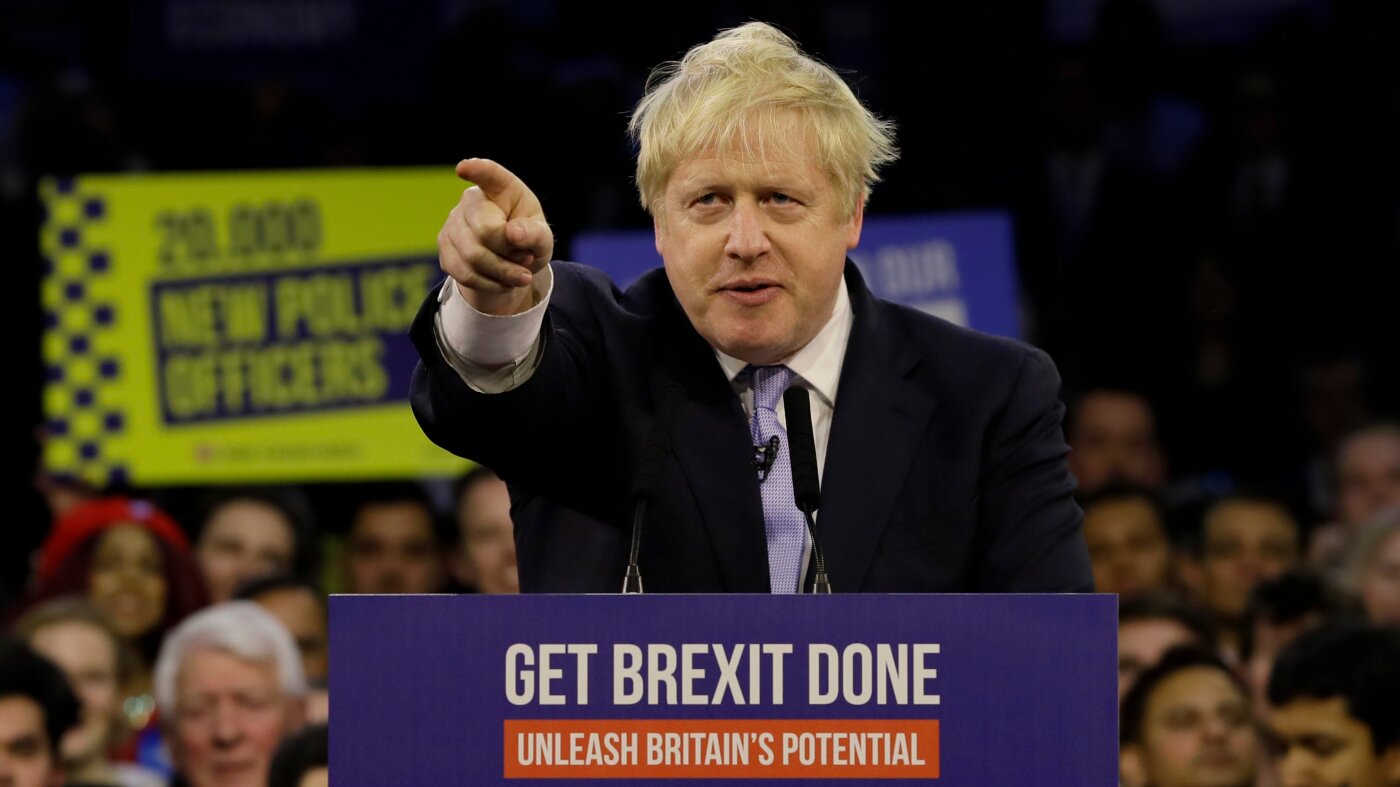
The United Kingdom is heading toward its seventh prime minister since voters chose Brexit a decade ago, underscoring how deeply the 2016 referendum has reshaped British politics. The Associated Press reported that Prime Minister Keir Starmer’s resignation Monday came after two years marked by weak growth, strained public services and an electorate increasingly willing to abandon the two dominant parties.
Britons voted 52% to 48% on June 23, 2016, to leave the European Union after more than 40 years of membership, according to AP. David Cameron, the Conservative prime minister who called the referendum and campaigned to remain in the bloc, resigned the next day.
The U.K. formally left the EU on Jan. 31, 2020, followed by an 11-month transition period. AP reported that the political argument over what Brexit should mean has continued to divide parties, governments and voters.
A promise to take back control
Brexit campaigners argued that leaving the EU would give Britain greater control over laws, borders and the economy, AP reported. Boris Johnson, who became one of the campaign’s leading figures and later served as prime minister, told voters before the referendum that Britain had a “once-in-a-lifetime chance” to leave.
Margaret MacMillan, an emeritus history professor at the University of Toronto, told AP that support for Brexit drew on concerns over immigration, anger at EU rules and nostalgia for an “imagined past.” She said voters were not given a clear account of what leaving the EU would involve.
Chris Grey, an academic who has studied Brexit’s aftermath, told AP that the issue still leaves a “subterranean trace” through British politics even though it no longer dominates daily headlines.
Prime ministers struggled with the fallout
Theresa May, Cameron’s successor, resigned in 2019 after failing to secure parliamentary backing for an exit agreement acceptable to divided lawmakers, according to AP. Johnson followed her, promising to complete Brexit and striking a limited trade agreement with the EU after difficult talks.
Johnson was forced out by Conservative lawmakers in mid-2022 amid financial and ethical scandals, AP reported. Liz Truss then lasted 49 days as prime minister before Rishi Sunak took office and eased tensions with Brussels without pursuing major changes.
Starmer, a Labour leader who promised to reset relations with the EU, ruled out rejoining the bloc’s tariff-free single market, according to AP. His departure leaves the question of Britain’s long-term relationship with Europe unresolved.
Voters move away from major parties
Historian Anthony Seldon told Times Radio that Cameron had hoped the referendum would settle Conservative divisions over Europe. Instead, he said, those arguments persisted while Britain’s broader problems continued.
AP reported that Conservatives who favored a softer break with the EU were pushed aside during the divorce process. Labour also remains split between members who want closer EU ties, or eventual reentry, and leaders who fear reopening the Brexit fight.
Millions of voters have shifted toward alternatives, including the Green Party and Reform UK, according to AP. Nigel Farage, who campaigned for Brexit and now leads Reform UK, has continued to press an anti-immigration message, and AP reported that his party has been leading opinion polls.
The economy has struggled over the past decade as businesses faced new barriers to trade with Britain’s nearest neighbors, AP reported. The COVID-19 pandemic, the Russia-Ukraine war and the Iran war also contributed to the country’s low growth.
Hannah White, director of the Institute for Government think tank, told AP that politicians have failed to be candid with voters about taxes, debt and public services. She said that has left people disappointed.
Immigration remains a central source of political tension. AP reported that net migration rose after Brexit to more than 900,000 in 2023 before dropping to 171,000 last year.
Polls cited by AP show increased regret over Brexit. A recent Ipsos survey found 52% of people in the U.K. favored rejoining the EU, while 33% opposed it, though any return would require a lengthy process with a cautious European Union.
This story draws on original reporting from NPR.