
Belgium challenges Balogun eligibility after FIFA lifts World Cup ban
Belgium’s football federation said it would contest FIFA’s decision allowing Folarin Balogun to face Belgium in the World Cup last 16.
By Daniel Okafor · Business Editor
3 min read
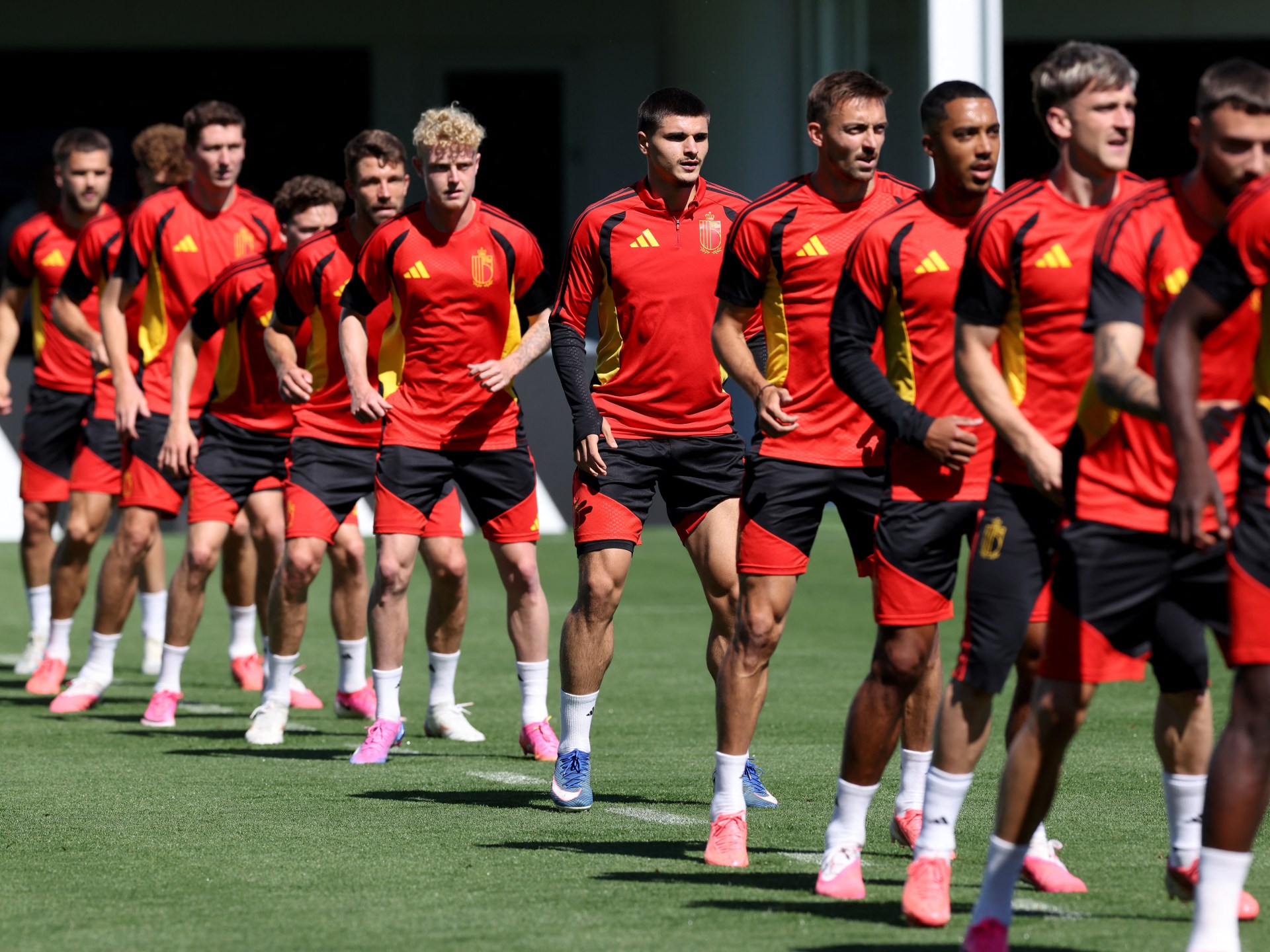
Belgium’s football federation said it would challenge FIFA’s decision to clear Folarin Balogun to play in the United States’ World Cup round-of-16 match against Belgium. The move matters because it puts FIFA’s disciplinary process under scrutiny hours before a knockout match involving the host nation’s star forward.
The Royal Belgian Football Association said Monday that FIFA failed to follow proper procedure when it reversed Balogun’s one-match suspension. The ban followed a red card shown to Balogun during the United States’ round-of-32 match against Bosnia-Herzegovina.
The RBFA said FIFA’s handling of the case left it no choice but to contest Balogun’s eligibility for the Belgium match. The federation did not specify how the challenge would be filed or whether it could affect the match before kickoff.
In its statement, the RBFA said it remained concerned about the sequence of events and would keep defending principles it described as ethics, fair competition and the interests of football.
Trump says he asked for a review
The dispute escalated after U.S. President Donald Trump said he had spoken directly with FIFA President Gianni Infantino before the suspension was lifted. Trump told reporters Monday that he had asked for the red-card decision to be reviewed because he did not believe Balogun had committed a foul.
Trump described the incident as a collision between two athletes who became tangled. He also criticized referee Raphael Claus, calling him “very suspect,” and said he could provide details about Claus’s past, though he did not give specifics.
Infantino later said the call with Trump was one of many conversations he regularly has with heads of state, government officials, football figures and business executives. He said he told Trump that FIFA’s independent judicial bodies were handling the case and that the proper bodies would decide it.
Infantino said he was not involved in the decision and learned of it only after it had been issued.
FIFA cites disciplinary rule
FIFA said it relied on Article 27 of its disciplinary committee rules to suspend the implementation of Balogun’s punishment. The rule allows a judicial body to fully or partly suspend a disciplinary measure.
FIFA had previously said the United States could not appeal the one-game ban, according to Al Jazeera. The reversal drew criticism because World Cup red cards typically lead to suspensions, and Al Jazeera reported that if Balogun plays, it would be the first time since 1962 that a World Cup red card did not result in a ban.
Several football analysts have questioned Claus’s original decision to send Balogun off. They have argued that Balogun’s contact with Bosnia and Herzegovina defender Tarik Muharemovic came during a legitimate challenge and did not merit a red card.
The episode has also prompted accusations that politics is intruding into the tournament. Critics cited by Al Jazeera said Trump’s involvement could affect perceptions of any further U.S. success under coach Mauricio Pochettino.
Shibley Telhami, a professor of peace and development at the University of Maryland, wrote on X that the episode was embarrassing for the U.S. team and Balogun. He said the team was strong enough to win honorably and argued that politics should stay out of the sport.
This story draws on original reporting from Al Jazeera.