
Ashura mourning in Iran carries state message after war
Ashura ceremonies across Iran mixed Shia mourning rites with pro-state displays as Tehran prepares for Ayatollah Ali Khamenei’s burial.
By Lucas Ferreira · Science & Environment Writer
3 min read
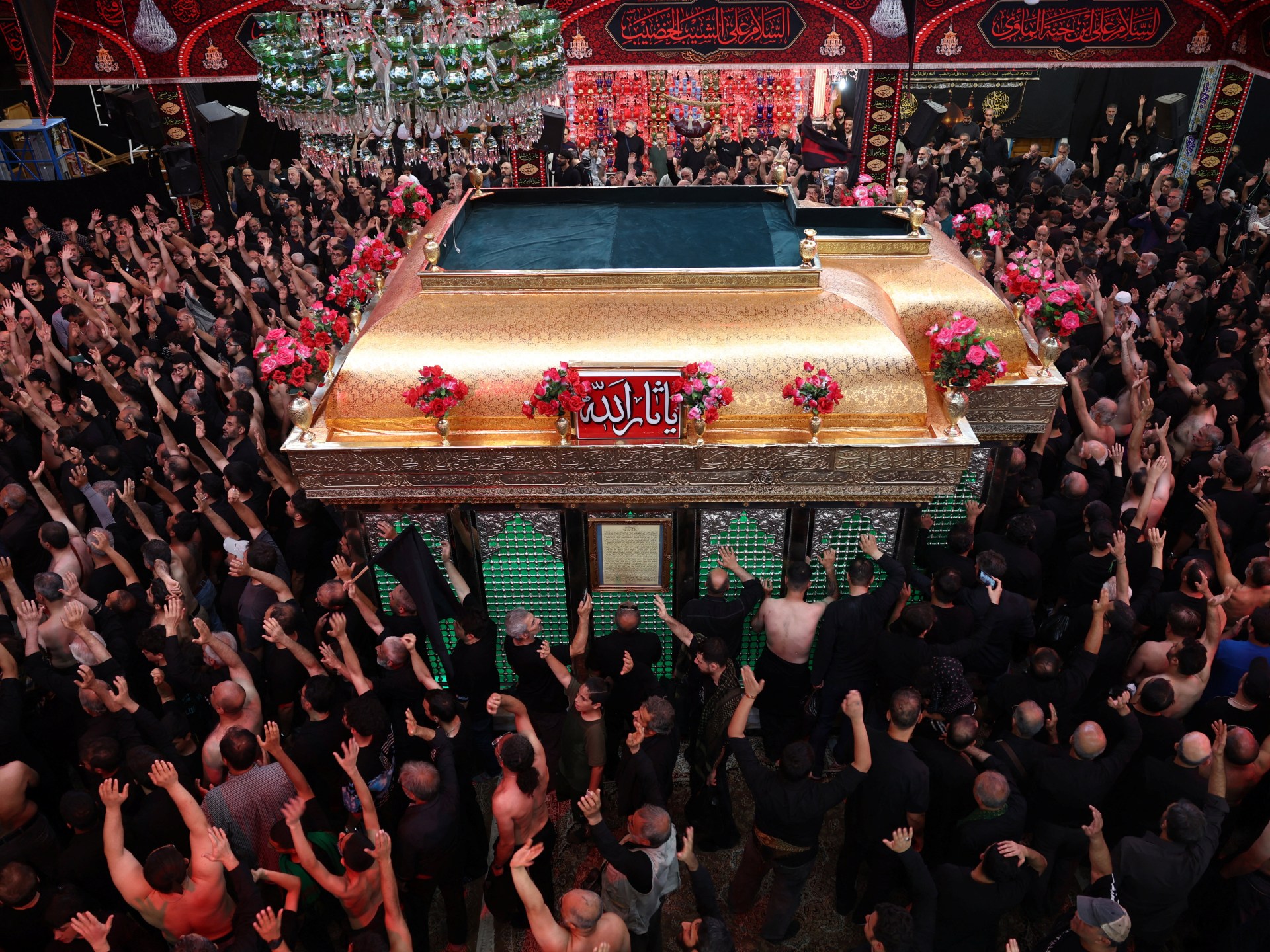
Ashura commemorations across Iran have become both a religious observance and a show of political loyalty after months of war, Al Jazeera reported. The ceremonies come as the state links Shia mourning traditions to its message of resistance and prepares for the burial of Ayatollah Ali Khamenei.
Since Muharram, the first month of the Islamic calendar, began last week, black fabric has covered streets and neighbourhoods in Tehran and other cities, according to Al Jazeera. Wednesday and Thursday were marked as Tasua and Ashura, annual public holidays in Iran that mourn the killing of Hussein ibn Ali, the Prophet Muhammad’s grandson and the third Shia imam, more than 1,300 years ago.
Al Jazeera reported that the Islamic Republic treats Ashura as a political occasion as well as a sacred one. The state casts itself as heir to Hussein’s stand against the Umayyad rulers, presenting his death at Karbala as a model of sacrifice against injustice.
That symbolism has been extended to figures from the Iran-backed, mostly Shia “axis of resistance,” according to Al Jazeera. State media and some supporters now refer to Khamenei as “seyyed ol-shohada,” or the most exalted of martyrs, a title most closely tied to Imam Hussein.
Khamenei, who held power for nearly 37 years, died on February 28 in downtown Tehran at the start of the war involving the United States, Israel and Iran, Al Jazeera reported. His burial is scheduled for the second week of July during Muharram, after six days of events in several cities, with interment planned at the Imam Reza shrine in Mashhad.
State ceremonies fill streets
Across Iran, mosques, public squares and roads have been lined with black Ashura tents and stations, many carrying pro-government slogans and images of officials killed during the war, according to Al Jazeera. Religious chants and music play through the day and often late into the night, while some stations hand out tea and other drinks.
In Tehran, Enghelab Square and other major areas have been closed at night for large state-organised gatherings, Al Jazeera reported. Processions in some districts carry alams, ceremonial standards linked to Karbala, and many are run by state-linked groups and pro-state demonstrators who have been on the streets nightly since the war began.
Police and other armed forces guard some of the gatherings, according to Al Jazeera. At tekkiyehs and open-air mourning sites, participants perform chest-beating rituals and zanjir-zani, striking their shoulders and backs with light chains or similar tools, while elegies in Persian and Arabic are played over loudspeakers with drums and percussion.
Food distribution has also been part of the commemorations. Al Jazeera reported that mosques and street stations have served meals through both state-backed efforts and grassroots charity.
Private mourning and protest grief
Al Jazeera reported that many Iranians are observing Ashura outside state structures, following family customs or remembering relatives who have died. A young woman in western Tehran told the outlet that her family prepared ash-e reshteh on Ashura eve and shared it with neighbours in memory of her grandfather.
Some families also used Muharram gatherings to honour relatives killed during nationwide protests in January, according to Al Jazeera. Videos circulating on social media from cities including Isfahan and Amol showed mothers and other relatives crying while holding photographs of those killed.
Al Jazeera reported that many thousands were killed, mainly on January 8 and 9, during a complete internet and communications shutdown. The ceremonies have taken place as Iran holds talks with Washington after signing a memorandum of understanding last week to end the four-month war.
State media aired street interviews with supporters who said they did not trust the United States, according to Al Jazeera. President Masoud Pezeshkian, who has supported a negotiated settlement with Washington, used Ashura eve to call for unity, saying at the mausoleum of former Supreme Leader Ruhollah Khomeini that any message or action damaging solidarity benefits the enemy, even when criticism is valid.
This story draws on original reporting from Al Jazeera.