
Algeria and Mali restore ambassadors after yearlong dispute
Algiers and Bamako are reopening diplomatic channels and airspace after a drone incident strained ties and raised Sahel security concerns.
By Sofia Marchetti · World Affairs Correspondent
3 min read
Algeria and Mali are restoring diplomatic ties after more than a year of rupture, with ambassadors returning and airspace restrictions lifted, according to Al Jazeera and Reuters. The thaw matters for the Sahel because the dispute had added strain to regional security efforts and interrupted Algeria’s role as a mediator in Mali.
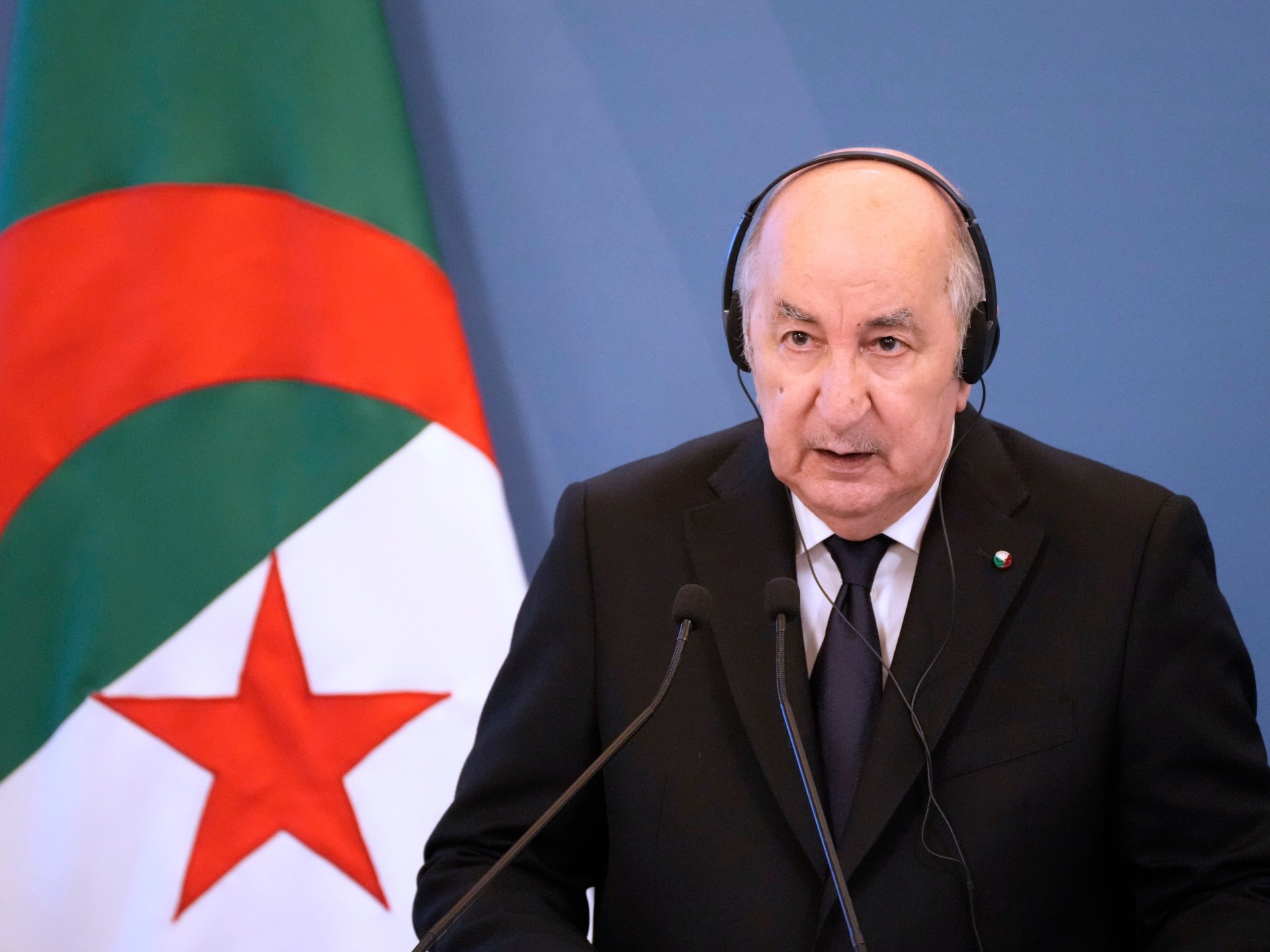
Algerian President Abdelmadjid Tebboune said Saturday that Algeria’s ambassador would return to Mali, Al Jazeera and Reuters reported. The announcement followed Algiers’s decision a day earlier to fully reopen its airspace to civilian and military aircraft traveling to and from Mali.
Issa Ousmane Coulibaly, spokesperson for Mali’s military government, said in a statement that Bamako had taken matching steps, according to the reports. The moves mark the first clear reversal of a diplomatic breakdown that began in April 2025.
Drone dispute triggered the rupture
The rift followed Algeria’s claim that it had shot down a Malian surveillance drone after it entered Algerian airspace, according to Al Jazeera and Reuters. Mali rejected that account and said the aircraft was brought down inside Malian territory.
The disagreement quickly spread beyond the two governments. Mali’s partners in the Alliance of Sahel States, Burkina Faso and Niger, also withdrew their ambassadors from Algeria in April 2025 in solidarity with Bamako, according to Al Jazeera and Reuters.
Mali, Burkina Faso and Niger make up the Alliance of Sahel States, a bloc formed amid worsening insecurity and shifting regional alliances. Al Jazeera and Reuters reported that the diplomatic fallout between Algeria and Mali had raised concerns about security across the Sahel.
Security concerns remain
The Alliance of Sahel States has faced a rise in attacks by armed groups linked to ISIL, also known as ISIS, and al-Qaeda in recent years, according to Al Jazeera and Reuters. Analysts cited by Al Jazeera have argued that such groups gained ground in the Sahel in part after the NATO-backed overthrow of Libyan leader Muammar Gaddafi in 2011.
Al Jazeera reported that Gaddafi’s removal left a vacuum in Libya and that weapons from stockpiles held by forces loyal to him were looted and are believed to have reached armed groups. Those developments have shaped the security pressures now facing Mali and its neighbors.
Algeria has previously mediated talks between Mali’s government and Tuareg separatist rebels involved in an armed rebellion, according to Al Jazeera and Reuters. After the drone dispute, Algiers stepped back from that mediation role, a shift that raised concerns about Mali’s territorial integrity and Algeria’s own internal security, the reports said.
In April, Algerian Foreign Minister Ahmed Attaf restated Algeria’s support for Mali’s territorial integrity and rejected what he called all forms of terrorism, according to Al Jazeera and Reuters. The return of ambassadors and reopening of airspace now give both governments a route to rebuild contact after a dispute that had drawn in Mali’s Sahel allies.
This story draws on original reporting from Al Jazeera.