
Air conditioning offers heat relief but can dry skin and irritate airways
As summer heat rises, cooling systems can protect people from heat stress while creating health issues when overused or poorly maintained.
By Daniel Okafor · Business Editor
4 min read
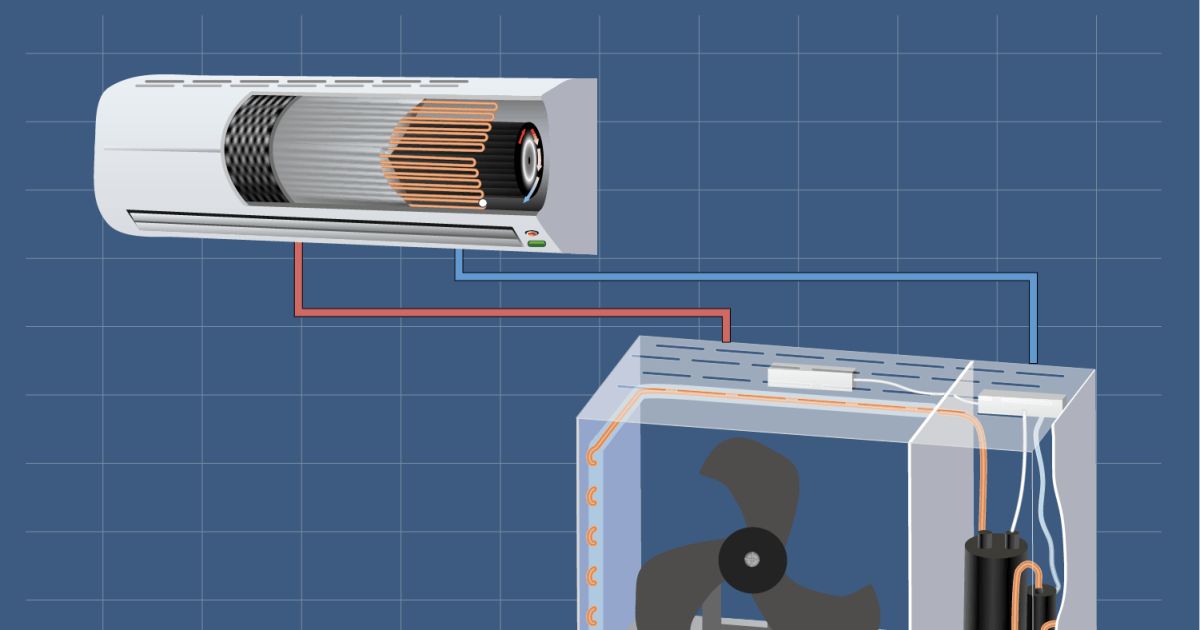
Air conditioners are becoming a key defense against rising summer heat, especially across the Northern Hemisphere, where Al Jazeera reported that nearly 90 percent of the world’s population lives. The World Health Organization says heat stress is the leading cause of weather-related deaths, but Al Jazeera noted that air conditioning can also dry indoor air and irritate the body.
Al Jazeera reported that air conditioners cool rooms by moving heat and moisture from indoor air to the outside. The indoor unit draws warm air across cold evaporator coils, where a refrigerant absorbs heat, changes from liquid to gas and helps cool the air before a fan sends it back into the room.
The warmed refrigerant then moves to an outdoor unit, according to Al Jazeera. There, a condenser coil releases the captured heat and turns the refrigerant back into liquid so the cycle can begin again indoors.
Cooling demand and heat risk
Al Jazeera said countries are adopting air conditioning more widely as temperatures climb. It reported that people without effective or affordable cooling face greater exposure to heat stress and related illness.
The WHO says heat stress can worsen cardiovascular disease, diabetes, mental health conditions and asthma. The agency also says it can raise the risk of accidents and the spread of some infectious diseases.
Al Jazeera reported that the greatest heat stress generally occurs where high temperatures, high humidity and strong sun exposure combine. Heatstroke is the most severe form of heat stress, and Al Jazeera described it as a medical emergency that can occur when internal body temperature rises above 40 degrees Celsius, or 104 degrees Fahrenheit.
To reduce heatstroke risk, Al Jazeera listed measures including drinking plenty of water, using sunblock, wearing loose cotton clothing, avoiding direct sun during the afternoon and skipping exercise during the hottest part of the day. It also advised ventilating and cooling living spaces, taking cool showers, eating lightly, watching medication-related risks and not leaving anyone in a parked car.
For someone showing possible heatstroke symptoms, including a rapid heartbeat, fast breathing, high body temperature, dehydration or nausea, Al Jazeera advised seeking emergency medical help while cooling the person. Its guidance included moving out of the sun, lying down with feet elevated, loosening tight clothing, using a fan or air conditioner, applying cold compresses and drinking fluids.
How AC can affect the body
Al Jazeera reported that extended air-conditioning use and poor maintenance can cause health complaints. Because AC removes moisture from the air, it can leave skin dry and flaky and can make eyes feel irritated or itchy; Al Jazeera suggested moisturiser and lubricating eye drops as remedies.
Cold, dry air can also contribute to tension headaches, especially when dehydration is involved, according to Al Jazeera. It advised regular water intake and breaks from heavily cooled rooms where possible.
Al Jazeera said low-humidity rooms can dry the nose and throat, causing soreness, congestion or a scratchy feeling. It listed saline nasal spray, throat lozenges and humidifiers as possible ways to ease those symptoms.
Poorly maintained units can circulate dust, mould spores and bacteria, Al Jazeera reported, aggravating airways and worsening conditions such as asthma. It advised cleaning or replacing filters regularly and having the unit serviced at least once a year.
Cold air can tighten muscles, especially in the neck, shoulders and back, according to Al Jazeera. It recommended stretching, wearing a light layer and avoiding direct airflow from vents.
Al Jazeera also reported that a cool room can support deeper sleep by lowering core body temperature, while rooms that are too cold or dry can disrupt rest. For most people, it said a thermostat setting between 16C and 18C, or 60F to 65F, with a light blanket offers a balance.
From early systems to cleaner refrigerants
Al Jazeera reported that modern air conditioning is generally credited to American engineer Willis Carrier, who designed a humidity-control system for a New York printing plant in 1902. Window units arrived in 1931, and mass production after World War II helped bring air conditioning into homes and workplaces.
By the 1990s, environmental concerns led to the phaseout of ozone-depleting chlorofluorocarbons in favor of hydrofluorocarbons, according to Al Jazeera. In the 2010s, newer refrigerants such as R-32 and R-290, or propane, reflected a shift toward lower-emissions cooling.
This story draws on original reporting from Al Jazeera.