
Aid cuts leave 1 million women and girls without support
UN Women says funding reductions have forced women’s groups to turn people away as demand rises in crisis-hit countries.
By James Whitfield · Staff Writer
3 min read
Global reductions in aid have left at least one million women and girls without critical support over the past 18 months, according to UN Women. The agency said groups serving women are facing rising demand while losing the money needed to provide basic services in crisis-hit countries.
In a report released Friday, UN Women said 90 percent of surveyed organisations reported they could no longer meet needs in the communities where they work. The findings point to a widening gap between humanitarian need and available funding for services focused on women and girls.
Women’s groups face closure
UN Women said it surveyed 855 women’s organisations in 52 vulnerable countries, including the Democratic Republic of the Congo, Haiti and Afghanistan. According to the agency, 40 percent of those groups said they could shut down temporarily or permanently within the next year because of funding shortages.
The report found that 60 percent of surveyed organisations said they had reached fewer women and girls since January 2025, even as needs increased. Half said they had either placed people on waiting lists or turned women and girls away.
UN Women said nearly all the organisations surveyed reported that the women they serve were becoming poorer and that girls were leaving school. The agency also said conflict-related sexual violence doubled over the past year, while 62 percent of organisations reported closing safe spaces or reducing services for survivors of gender-based violence.
Donor cuts hit crisis response
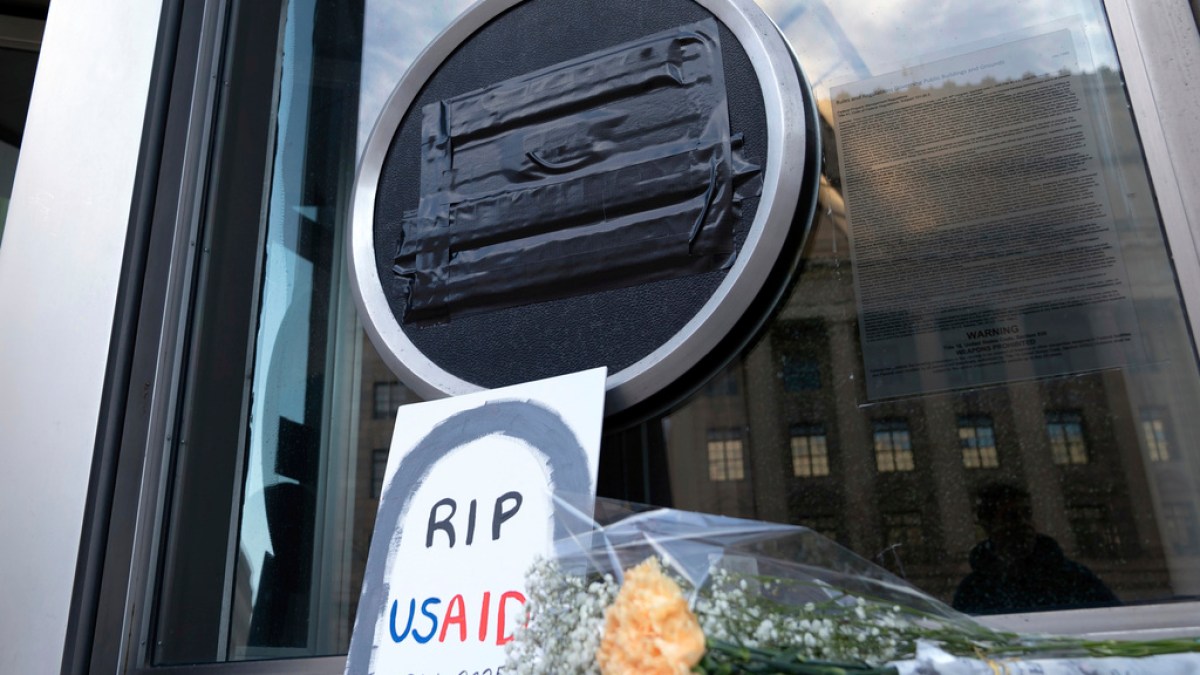
The funding decline follows cuts by several major donor countries. The United States had been the world’s largest aid donor, but President Donald Trump’s administration cut billions of dollars in foreign assistance after returning to office in January 2025.
As the US Agency for International Development was dismantled, Washington’s foreign aid fell by more than 50 percent, according to the Organisation for Economic Co-operation and Development. Other major donors, including Germany, France and the United Kingdom, have also reduced aid, with domestic financial pressures and demands for higher defence spending cited as factors.
Sofia Calltorp, UN Women’s chief of humanitarian action, said in a statement that the organisations at risk of closing are working in some of the world’s gravest emergencies.
“The women’s organizations at risk of being shut down are on the frontlines of the world’s most severe humanitarian crises,” Calltorp said. “Every dollar withdrawn from women’s organizations is a dollar withdrawn from survivors of conflict-related sexual violence, displaced mothers, girls forced from school, and communities struggling to survive.”
UN Women said the loss of funding is reducing access to services for displaced mothers, survivors of sexual violence and girls pushed out of classrooms. The agency’s findings show that many local organisations now face choices between cutting programmes, limiting who they can help or closing their doors.
This story draws on original reporting from Al Jazeera.