
Yueban shows Xiaoban, a self-driving toilet for home care
The autonomous Xiaoban toilet is designed to reach users with mobility issues, clean itself and dispose of waste after use.
By Maya Lindqvist · Senior Technology Correspondent
2 min read
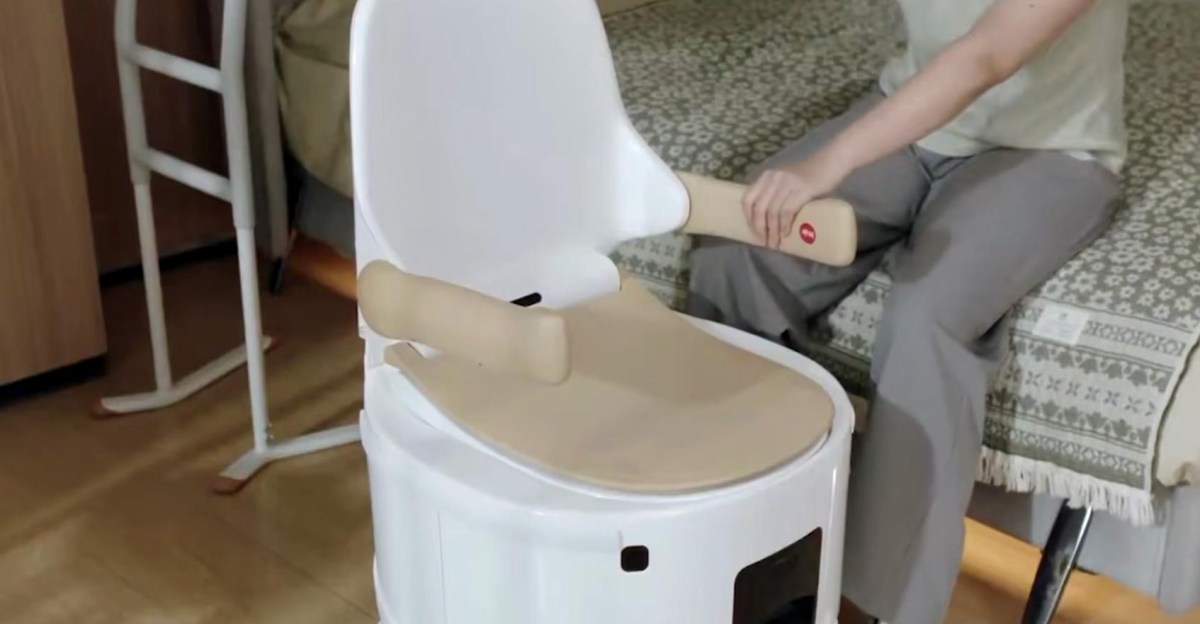
Chinese company Yueban has introduced Xiaoban, an autonomous smart toilet built to drive to people who may have trouble reaching a bathroom. The device points to a growing push to use home robotics for elder care and disability support, though its availability outside China remains unclear.
The Verge reported that Yueban showed the toilet at a recent Shanghai expo focused on elderly care, assistive devices and rehabilitation medicine. According to IT Home, Xiaoban is expected to cost ¥28,999 in China, roughly $4,300.
Xiaoban is aimed at users whose mobility is limited by age, injury or disability, The Verge reported. The toilet can be called by remote control or voice command, then move through a home or care facility to reach the user.
The Verge said the system uses robotics similar to high-end robot vacuums, including lidar and ultrasonic sensors. Those sensors help Xiaoban map a safe route, avoid objects and keep away from stairs while traveling indoors.
The device does not remove every need for human help. The Verge noted that some users may still require assistance getting seated, but the toilet is designed to reduce trips to a bathroom and handle much of the work afterward.
For cleaning, Xiaoban includes a bidet and a warm-air dryer, according to The Verge. The bowl can clean itself, and waste is sealed in an enclosed container rather than left exposed.
The Verge reported that the toilet also uses ultraviolet lights intended to kill bacteria. The combination of sealed storage, self-cleaning and UV treatment is meant to limit odors and make use outside a bathroom less awkward for users and caregivers.
After a user is finished, Xiaoban can go to a charging dock or a bathroom, depending on how the home is set up. If the dock is tied into plumbing and drainage, The Verge said the toilet can recharge there, refill its reservoirs and empty collected waste after pulverizing it to reduce the risk of clogs.
If the dock does not have drainage, Xiaoban instead travels to a bathroom. Videos cited by The Verge show an extending arm that pumps waste into a standard toilet, where it can then be flushed.
The Verge described the device as a tool that could ease caregiving rather than replace caregivers. By bringing the toilet to the user and automating cleaning and disposal steps, Xiaoban could reduce the physical strain and time involved in bathroom assistance.
This story draws on original reporting from The Verge.