
Toyota’s 2026 RAV4 plug-in stretches EV-only range to 52 miles
The redesigned plug-in RAV4 adds a larger battery, stronger hybrid system and four trims, though the GR Sport model trades efficiency for styling.
By James Whitfield · Staff Writer
3 min read
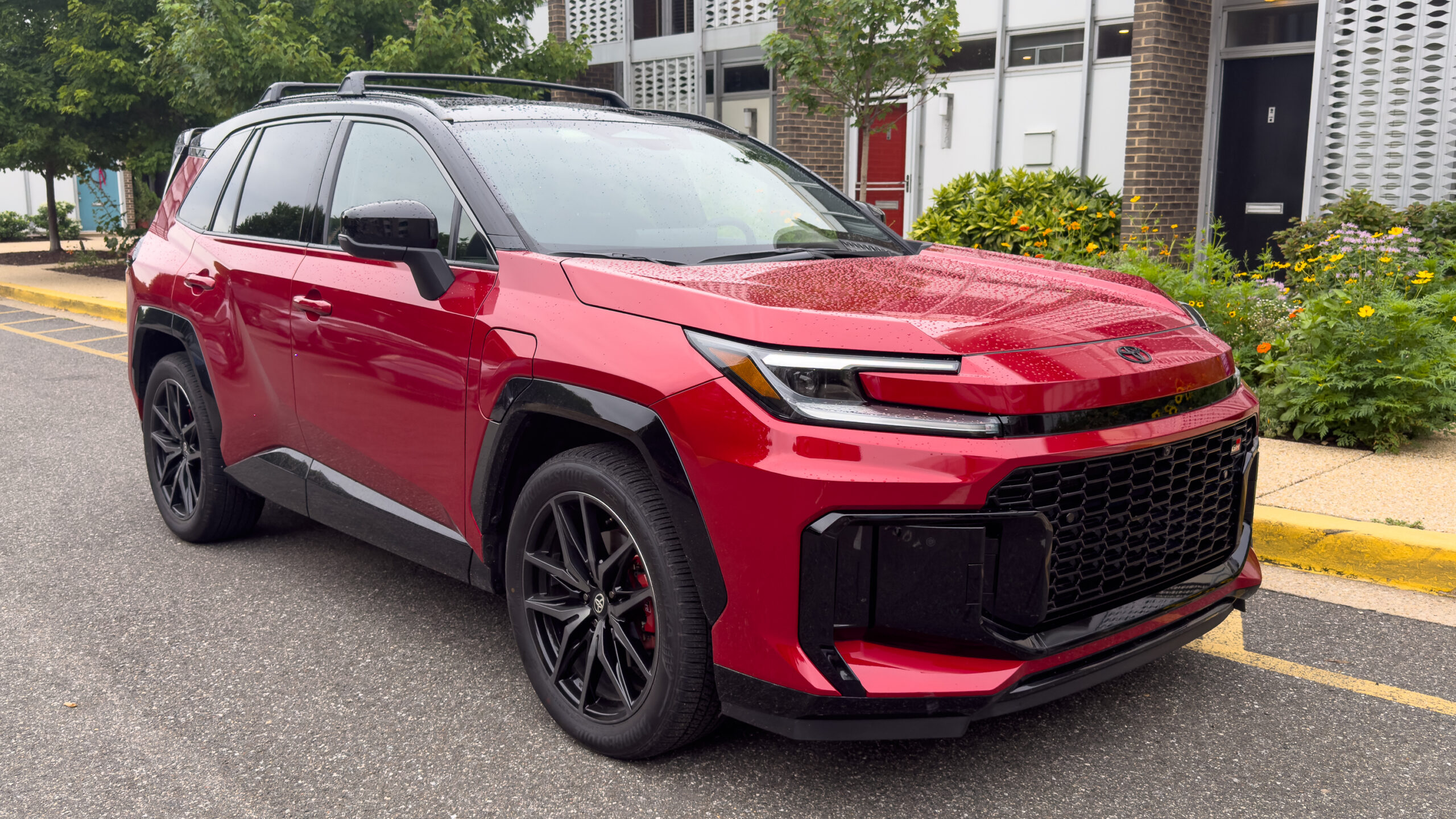
Toyota’s redesigned 2026 RAV4 plug-in hybrid can travel as far as 52 miles on battery power alone, enough to cover many daily trips without using gasoline. The model matters because the RAV4 remains one of America’s best-selling vehicles outside the pickup segment, and Toyota has made the sixth-generation lineup entirely electrified, according to Ars Technica.
The plug-in version uses a new hybrid powertrain built around a naturally aspirated 2.5-liter four-cylinder engine running on the Atkinson cycle. Toyota lists the engine alone at 186 horsepower and 172 pound-feet of torque, paired with an electronically controlled variable-ratio transmission and multiple electric motors.
Ars Technica reports that the setup differs from a belt-and-cone continuously variable transmission. Toyota’s eCVT uses planetary gearing to manage power between the engine, electric motors and battery.
Bigger battery, more electric driving
The lithium-ion battery has 22.7 kilowatt-hours of usable capacity and sits beneath the cabin, according to Toyota details cited by Ars Technica. That placement avoids taking cargo room above the rear axle, a packaging compromise found in some older plug-in hybrids.
The front traction motor is rated at 203 horsepower and 201 pound-feet of torque, while a rear motor adds 55 horsepower and 91 pound-feet. Toyota rates total system output at 324 horsepower and 315 pound-feet.
Ars Technica describes the RAV4 plug-in as operating much of the time like a series hybrid, with the electric motor driving the front wheels while the gasoline engine can generate power. At highway speeds, the system can also work as a parallel hybrid when that is more efficient.
Trim choice changes range and charging
Toyota will sell four plug-in trims. The SE starts at $41,500 and the XSE at $47,200; both are rated at 40 mpg combined and up to 52 miles of electric-only driving, according to Ars Technica.
The Woodland trim, priced at $45,300, adds items such as protective cladding, tow hitches, all-terrain tires and a higher ride height. Those changes reduce its rating to 37 mpg combined and 49 miles of EV range.
The GR Sport is the most expensive version at $48,500. It keeps the same powertrain but adds 20-inch wheels with performance tires, revised suspension parts, a 0.6-inch lower ride height, a larger grille, spoilers and a rear diffuser. Toyota rates it at 36 mpg combined and 48 miles of electric range, according to Ars Technica.
Charging times also vary by equipment. Ars Technica reports that a full charge takes 3.5 hours with a 7-kilowatt Level 2 onboard charger, or 9 to 12 hours on a 120-volt outlet. The XSE and Woodland trims get an 11-kilowatt onboard charger that cuts Level 2 charging to 2.5 hours and adds DC fast charging through a CCS port; Toyota says a 10% to 80% fast charge takes 35 minutes under ideal conditions.
Review finds GR Sport less convincing
Jonathan Gitlin of Ars Technica tested the GR Sport and wrote that its badge and hardware did not make it feel like a sporty SUV. He said the low-mounted battery helped limit body roll, but the front seats offered too little lateral support for enthusiastic driving.
Gitlin also criticized the seat comfort after a four-hour drive and raised concerns about the climate-control behavior, saying the system did not immediately return to his preferred air-conditioning setting. He said Toyota’s latest infotainment interface was clear and easy to use, with wireless Android Auto and Apple CarPlay standard.
Ars Technica’s review was more favorable on the RAV4 plug-in’s everyday role. Gitlin reported 54 mpg by the end of his week with the GR Sport and said the SUV worked well around town and on the highway, with standard advanced driver-assistance features across the lineup.
This story draws on original reporting from Ars Technica.