
NASA draft plan raises concerns for private space station builders
NASA’s delayed draft solicitation gives companies clearer rules for replacing the ISS, but industry officials worry about requirements, funding and time.
By Maya Lindqvist · Senior Technology Correspondent
3 min read
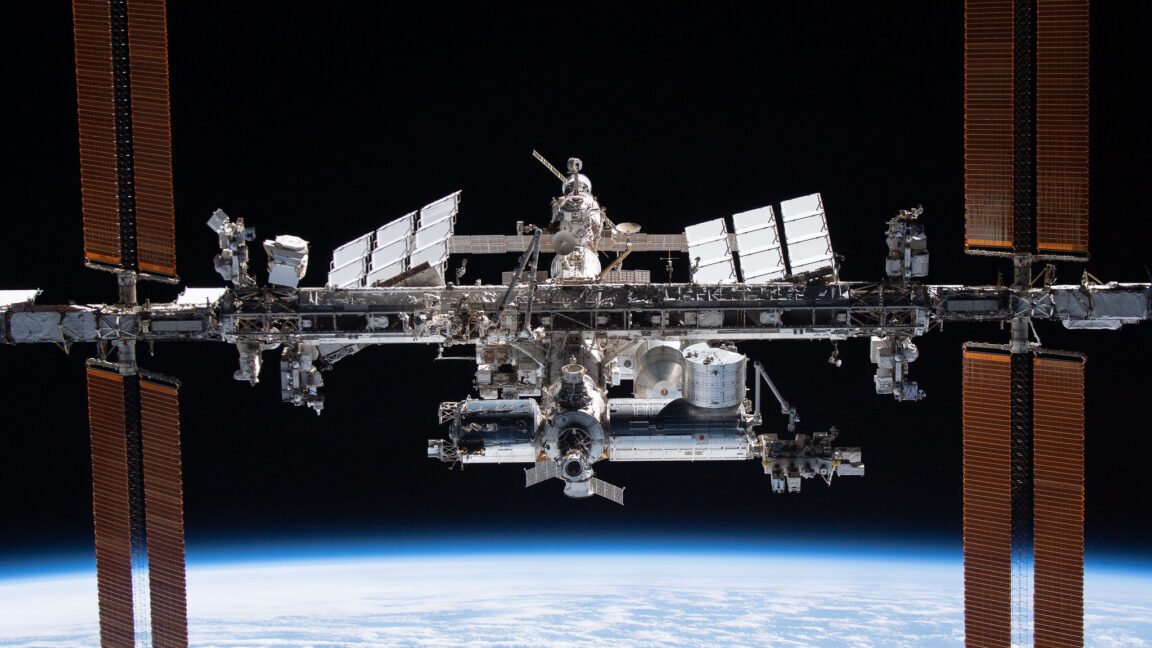
NASA has issued a draft solicitation for the next phase of its commercial space station program, a step that gives private operators more detail on what the agency wants after the International Space Station. The document matters because NASA has said the ISS is due to retire in 2030, and US officials want to avoid a break in crewed operations in low Earth orbit.
The agency said the draft Request for Proposals will help shape contracts for privately run orbital destinations. NASA Administrator Jared Isaacman said in a NASA release that companies have told the agency they believe they can meet the schedule and support a market in which NASA is one customer among others.
The planning document follows years of uncertainty. NASA funded three commercial station concepts nearly five years ago and previously awarded Axiom Space $140 million, according to Ars Technica. Those early agreements were meant to lead into a larger second phase for companies ready to build and launch stations, but that step was delayed, in part because of congressional funding disputes, Ars reported.
NASA’s approach also shifted over the past year. Ars Technica reported that then-interim NASA Administrator Sean Duffy issued a directive signaling changes tied to a budget shortfall, but that plan later faded. NASA also considered building a government-backed core module that private stations could use, an idea the agency has now dropped.
The removal of that core module proposal was welcomed by companies, according to Ars, which said it spoke with several industry officials on background. The companies involved in the competition include Axiom Space, Vast Space, Voyager, Blue Origin and possibly SpaceX, Ars reported.
Industry concerns remain. Ars reported that companies had expected the second phase to start one or two years earlier and have had to seek investment and maintain teams while waiting for NASA to define the program.
NASA is not expected to be the only customer for commercial stations, but it is the anchor buyer whose safety rules will heavily shape spacecraft designs. The draft solicitation therefore gives industry a clearer view of NASA’s expectations, including the technical and reporting requirements companies would have to satisfy.
Several company officials told Ars they were surprised by the scale of those requirements. One participant estimated the package contains more than 3,000 requirements, while companies had expected a count in the hundreds, Ars reported.
Phil McAlister, NASA’s former commercial spaceflight chief and the official who created the private station program, told Ars the draft resembles a cost-plus contracting structure placed inside a fixed-price procurement. He said that would be workable if NASA were prepared to pay for that level of oversight, but he does not think the agency appears ready to do so.
Funding is another unresolved issue. Ars reported that the program could have as much as $1.5 billion over five years, or much less, and companies do not yet know how many winners would share the money. McAlister told Ars that two awards might make the funding workable, while three or more could spread it too thin.
The solicitation is still a draft, and NASA is expected to receive industry feedback before issuing a final version. Ars reported that a final RFP could arrive in September, with contract awards possible next spring.
This story draws on original reporting from Ars Technica.