
Midjourney’s medical scanner plan draws calls for evidence
The image-generation startup says it is building a full-body ultrasound system, but medical imaging experts told The Verge its claims need proof.
By Maya Lindqvist · Senior Technology Correspondent
2 min read
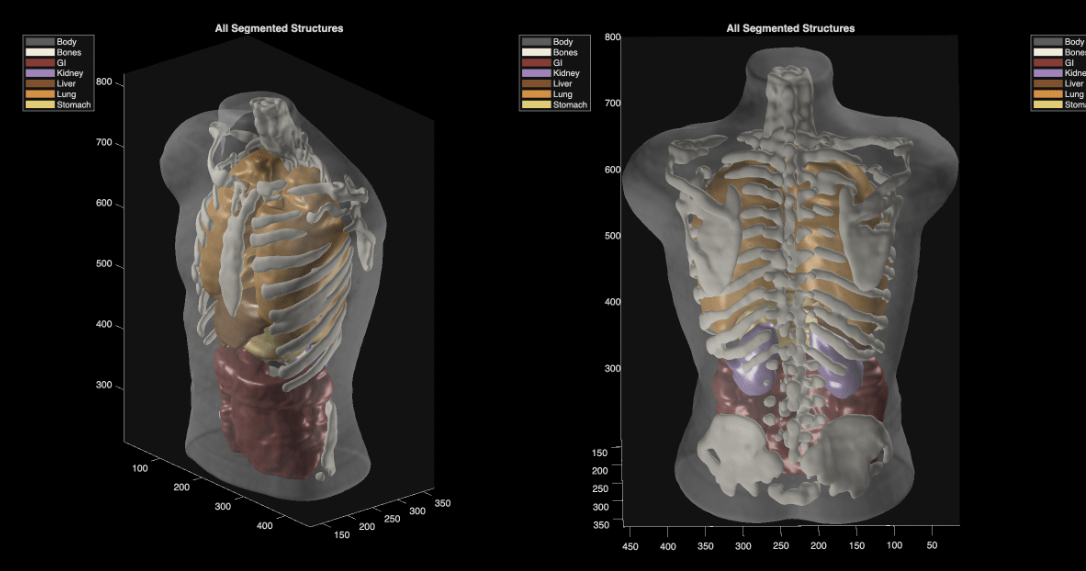
Midjourney is trying to move from AI image generation into medical imaging with a proposed full-body ultrasound scanner. The shift matters because the company is entering a medical field where experts told The Verge that ambitious performance claims require public evidence.
The startup, best known for its image generator, announced last week that it is developing a scanner that would place users in a vat of water and use ultrasound to produce body imaging. In a company blog post, Midjourney described its goal as making a system that could be “something as powerful as MRI” while being “as casual as a trip to the spa.”
Midjourney said the broader aim is to help people live longer, healthier lives. CEO David Holz has suggested the technology could eventually surpass MRI, according to The Verge.
Experts question the evidence
Several medical imaging specialists told The Verge they were not rejecting the concept outright. Their concern, according to The Verge, is that Midjourney has not publicly shown enough evidence to support the scale of its claims.
The experts pointed to the history of ultrasound as part of the issue. The Verge reported that the technology has existed for decades and its constraints are well understood, making broad claims about MRI-level or better performance especially dependent on validation.
The available public description leaves key questions unanswered. The Verge reported that Midjourney has shown little public substantiation for its goals, despite framing the scanner as a potentially powerful new imaging tool.
AI role remains unclear
The move is unusual for a company whose public business is built around synthetic image generation. The Verge reported that it is not immediately clear how the medical imaging effort connects to Midjourney’s existing AI model.
AI is also not a central focus of Midjourney’s public blog post about the medical project, according to The Verge. That omission stands out because Midjourney’s reputation comes from its AI image tools, and because medical imaging systems face different demands than creative software.
Tom Calloway, Midjourney’s head of medical, told The Verge that the scanner does use AI. He said the system also relies on specialized chips to handle the large volume of data and processing needed to carry out a scan.
The company is entering both medicine, which The Verge described as tightly regulated, and wellness, which the outlet described as less tightly regulated. Midjourney has presented the scanner as a way to make advanced imaging feel more routine, but specialists told The Verge that the company will need to demonstrate that the system can deliver on its medical ambitions.
This story draws on original reporting from The Verge.