
Microsoft extends Windows 10 security updates to October 2027
Microsoft’s consumer Extended Security Updates program for Windows 10 will now run an extra year, giving users more time before upgrading.
By Hana Yoshida · Markets Reporter
2 min read
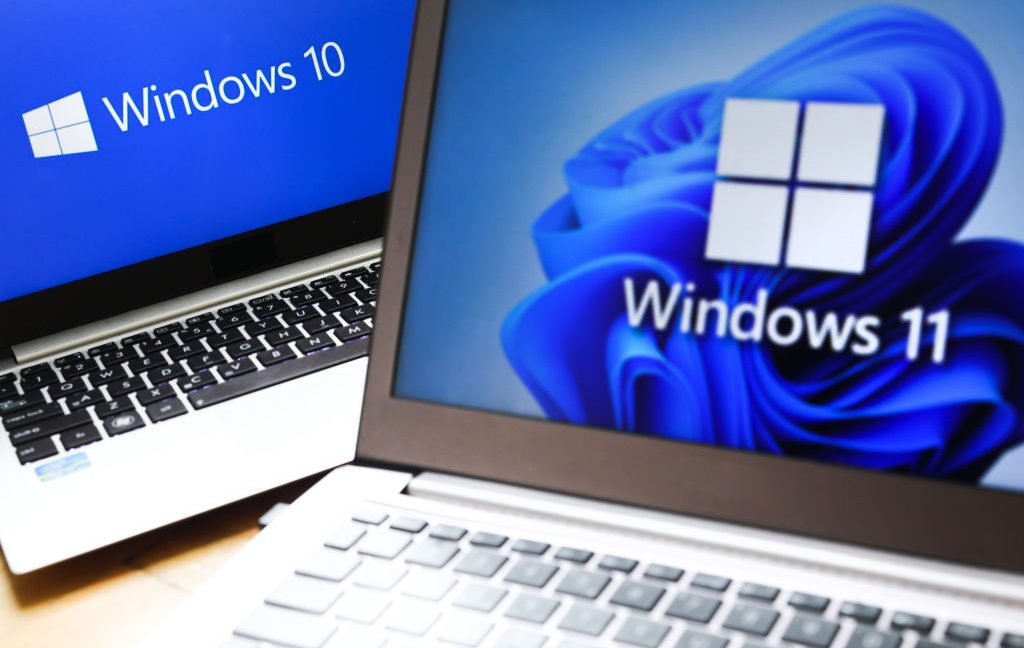
Microsoft has extended consumer security updates for Windows 10 by one year, keeping the older operating system covered through Oct. 12, 2027. The move gives holdouts more time to keep using Windows 10 after official support ended in 2025.
Microsoft’s Extended Security Updates support page now lists the 2027 date, and a note added to the company’s Windows blog confirms the change. The program had been scheduled to end on Oct. 12, 2026, after Microsoft offered consumers one extra year of updates following the end of regular support.
Windows 10 received its last standard updates in October 2025, according to Ars Technica. Microsoft created the consumer ESU option because unsupported Windows machines can face security risks online while many users were still on Windows 10.
Windows 10 remains widely used
Microsoft’s extension comes as Windows 11 has only recently pulled well ahead of Windows 10. StatCounter data for Windows desktop version share in the United States shows Windows 10 at about 26% and Windows 11 at about 72%.
Ars Technica reported that those figures still translate to hundreds of millions of active Windows 10 installations. Those machines can continue receiving security fixes for at least the added year if they are enrolled in the ESU program.
The slow shift reflects some of the friction around Windows 11. Ars Technica has reported that Windows 11 requires certain CPU features and a Trusted Platform Module, or TPM, which left some otherwise usable PCs outside Microsoft’s upgrade path.
Ars Technica also reported that higher storage and memory costs tied to AI-driven demand may make PC upgrades more expensive in 2026. Some users have also avoided Windows 11 because of Microsoft’s emphasis on AI features, according to Ars Technica.
How the consumer program works
Windows 10 users can enroll through the Windows Update menu, according to Microsoft. Customers in the European Union receive the extended updates for free.
Outside the EU, Microsoft requires users to sign in with a Microsoft account and sync system settings to qualify for free updates. Users who do not take that route can pay $30 or use 1,000 Microsoft Rewards points to join.
Microsoft says one consumer ESU license can cover as many as 10 devices, but the company limits that option to personal use. Businesses must pay for Windows 10 updates per device, and Microsoft’s business ESU program runs through 2028.
The extension underscores the difficulty Microsoft faces in ending support for a Windows release that remains common across PCs. The company took similar steps with Windows XP in the 2010s, extending support as many systems stayed on the older operating system, according to Ars Technica.
This story draws on original reporting from Ars Technica.