
Michigan investigates more than 700 Cyclospora cases
State health officials say the outbreak has caused 36 hospitalizations, with no produce grower, supplier or food type identified as the source.
By James Whitfield · Staff Writer
3 min read
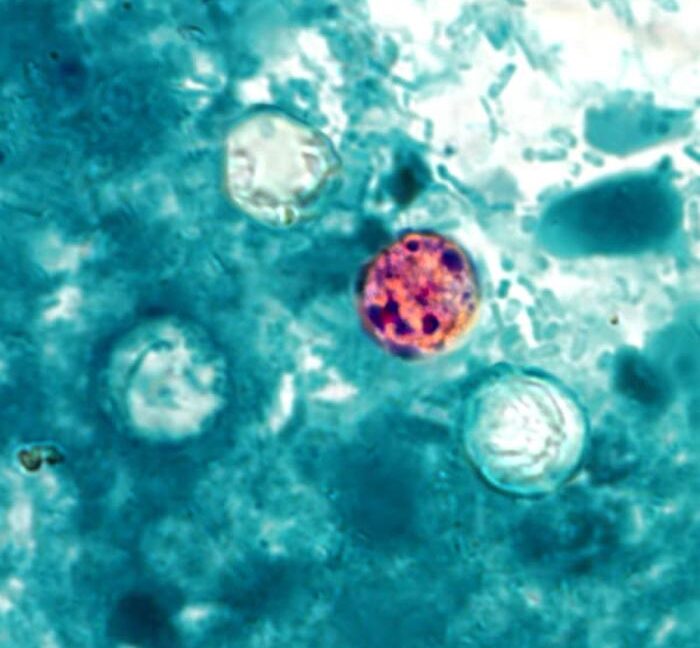
Michigan health officials are investigating a fast-growing outbreak of cyclosporiasis, an intestinal illness tied to the parasite Cyclospora cayetanensis. The Michigan Department of Health and Human Services said more than 700 cases had been reported since June 22, with 36 hospitalizations as of July 6.
The jump is unusually large for Michigan and comes during the season when cyclosporiasis cases often rise nationally, according to the Centers for Disease Control and Prevention. MDHHS reported 170 cases on June 30 and 572 cases on July 4 before the tally climbed past 700.
No source identified
MDHHS said it has not identified a specific produce grower, supplier or type of produce as the cause of the outbreak. The department said most cases have been reported in southeastern Michigan, where state officials are working with local health departments to interview patients and look for shared exposures.
An MDHHS spokesperson told Ars Technica that the state is also coordinating with the CDC and has shared Michigan case data with the federal agency. The investigation is focused on finding one or more sources for the infections.
Past cyclosporiasis outbreaks have been associated with produce, including bagged salad mixes or kits, cilantro, basil, raspberries, snow peas and green onions, according to MDHHS. The parasite spreads when fecal contamination reaches food or water, according to public health agencies.
What the illness does
The CDC says Cyclospora cayetanensis can cause watery diarrhea, with frequent and sometimes explosive bowel movements. Illness usually lasts about a week, but symptoms can continue for two weeks or longer, according to the CDC.
Cyclosporiasis is generally not considered life-threatening, but dehydration is a major concern, the CDC says. Public health officials recommend washing produce thoroughly before eating and maintaining careful hand hygiene to reduce risk.
The parasite is microscopic and single-celled. It is shed in feces, and people can become infected after consuming contaminated food or water, according to the CDC.
Michigan far above recent yearly totals
Michigan’s current count is well above the state’s recent annual totals. CDC data show Michigan has mostly reported about 50 cyclosporiasis cases per year in recent years, with a recent high of 97 cases in 2023.
Nationally, the CDC’s cyclosporiasis surveillance page listed 145 cases across 17 states besides Michigan this year, but the data were current only through June 16 and did not include Michigan’s outbreak. Including Michigan’s more than 700 cases would put the national total above 845.
Ars Technica reported that the U.S. Department of Health and Human Services did not respond to questions about why the CDC surveillance page had not been updated, its work with Michigan or broader case trends. The CDC’s historical data show U.S. cyclosporiasis cases have ranged from about 2,000 to 5,000 annually since 2018.
The CDC recorded 4,463 U.S. cases in 2023, 3,091 in 2022, 2,424 in 2021, 2,689 in 2020, 4,703 in 2019 and 3,519 in 2018. Michigan’s outbreak may mark an unusually high year for the state, while national totals so far remain within recent annual patterns, according to the available CDC figures.
This story draws on original reporting from Ars Technica.