
Kalshi sports betting ruling lets Nevada enforce gaming laws
A Ninth Circuit decision allows Nevada to regulate Kalshi’s sports-event contracts, widening a split over prediction markets.
By Maya Lindqvist · Senior Technology Correspondent
3 min read
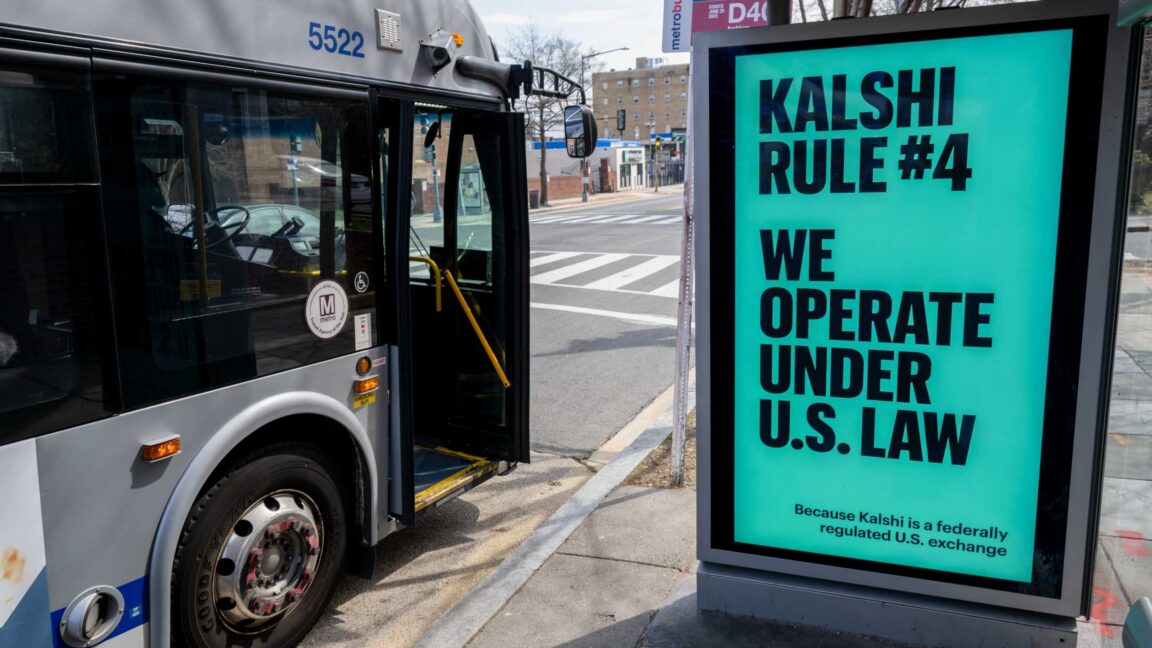
The Kalshi sports betting ruling allows Nevada to enforce its gaming laws against the company’s sports-related event contracts, after a federal appeals court rejected Kalshi’s claim that federal derivatives law puts the offerings solely under Commodity Futures Trading Commission oversight. The decision applies to the Nevada dispute and these sports contracts, rather than every prediction-market product.
The U.S. Court of Appeals for the Ninth Circuit on Aug. 28 affirmed a lower-court order ending an injunction that had blocked Nevada from acting against the contracts, according to Ars Technica. Nevada’s Gaming Control Board had sent Kalshi a cease-and-desist letter, saying the offerings violated state gambling statutes and regulations.
What did the Kalshi sports betting ruling decide?
Kalshi argued that its contracts were swaps under the Commodity Exchange Act, meaning the CFTC had exclusive regulatory authority and Nevada gaming rules were preempted. The Ninth Circuit disagreed, holding that Kalshi’s reading of the statute was too broad and did not displace Nevada’s authority over the sports-event contracts at issue.
Judge Ryan Nelson, writing for the court, said labeling the transactions as swaps did not change the court’s view that they amounted to sports betting. The panel also said Congress had addressed gambling in other laws and did not repeal or revise those laws when it expanded the CFTC’s authority over swaps through the Dodd-Frank Act, Ars Technica reported.
The court’s reasoning also rested on the CFTC’s current regulation governing event contracts. Under that rule, 17 C.F.R. § 40.11, gaming-related contracts are prohibited. The court said the regulation remained controlling even though the agency has proposed changes that could alter the rule in the future.
How does the decision affect Kalshi in Nevada?
Kalshi can no longer rely on the dissolved injunction to prevent Nevada from enforcing its gaming laws against its sports-related contracts. The ruling does not decide whether every prediction-market contract, or every conceivable sports-related contract, is unlawful.
Designated contract markets may self-certify new contracts to the CFTC and begin listing them on the next business day. The agency can subsequently review and disallow a contract. But the Ninth Circuit said Kalshi’s self-certification and listing of these sports contracts were unlawful under the regulations in force during the appeal, according to Ars Technica.
Judge Kenneth Lee concurred in the outcome. He wrote that the ordinary outcome of a sports game does not naturally fit the statutory definition of an event linked to a potential financial, economic or commercial consequence. Lee added that an unusual sports event could potentially qualify as part of a swap transaction if it met the law’s requirements, but said the court did not need to decide that question because the gaming-contract regulation resolved the case.
A conflict that could reach the Supreme Court
The ruling conflicts with a Third Circuit decision that found sports wagers offered through prediction markets qualified as swaps, Ars Technica reported. That disagreement between federal appeals courts leaves different rules in different jurisdictions and raises the prospect of Supreme Court review.
A future CFTC rule change could also affect later cases. For now, the Ninth Circuit said the existing ban on gaming-related contracts governed the Nevada appeal.
This story draws on original reporting from Ars Technica.