
Judge approves Musk’s $1.5 million SEC deal despite concerns
A federal judge said precedent left her little room to reject the settlement over Musk’s delayed Twitter stake disclosure.
By James Whitfield · Staff Writer
3 min read
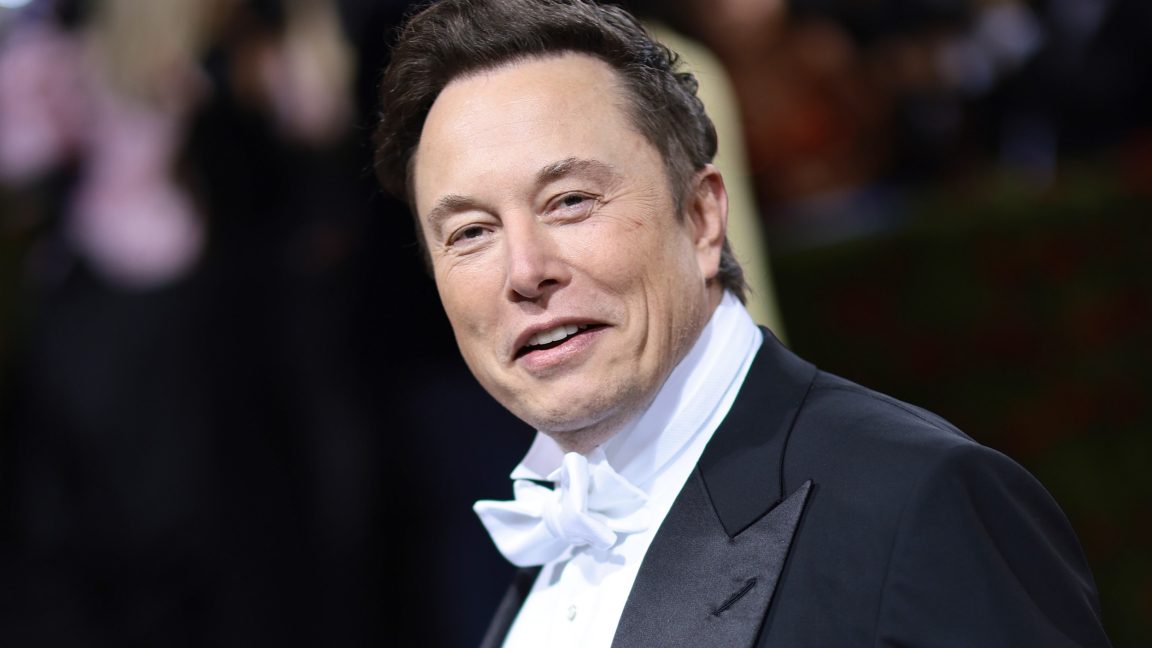
A federal judge approved a $1.5 million settlement between Elon Musk and the Securities and Exchange Commission while sharply questioning whether the deal was too favorable to Musk. U.S. District Judge Sparkle Sooknanan said in an order that the court’s limited role left it unable to block the agreement despite “significant misgivings.”
The settlement ends an SEC case over Musk’s 2022 purchase of a 9 percent stake in Twitter, now X. The SEC alleged that Musk failed to disclose the stake within 10 days as required by U.S. securities law, allowing him to continue buying shares at prices the agency said were artificially low.
The SEC sued Musk in January 2025 in U.S. District Court for the District of Columbia, shortly before President Joe Biden left office. According to the agency’s complaint, the delay caused Twitter investors to be underpaid by at least $150 million for shares Musk bought before he made the disclosure. Musk later acquired the entire company in 2022.
Sooknanan wrote that the SEC had previously sought disgorgement in the range of $150 million. She noted that the $1.5 million civil penalty, while described by the agency as the largest in its history for such a matter, represents about 1 percent of the money allegedly at issue.
Under the agreement, a trust in Musk’s name will pay the penalty to the government. The trust, rather than Musk personally, is subject to an injunction against future violations of the disclosure rule, and neither Musk nor the trust admitted wrongdoing.
Sooknanan said the structure appeared to bind Musk in his role as trustee. She also wrote that naming the trust instead of Musk could let him say publicly that he had been cleared of misconduct.
The SEC accused Musk of violating Section 13(d), a disclosure rule enforced under a strict liability standard. That means the agency does not need to prove intent to establish a violation.
The judge also questioned the SEC’s decision to abandon disgorgement, which could have directed money toward investors the agency said were harmed. Sooknanan wrote that the settlement instead sends the payment to the government.
According to Sooknanan’s order, the SEC told the court it had sought disgorgement because it had statutory authority to do so, but later dropped the request because it has not historically obtained disgorgement in this type of case.
Sooknanan had previously asked the parties for more information about how they reached the settlement and whether Musk was receiving special treatment. In the new order, she said the agreement cleared the minimum legal standards for fairness and reasonableness.
The judge wrote that the SEC and Musk’s lawyers said the deal followed more than a year of negotiations and that both sides gave up something to reduce litigation risk. She also said the arrangement was unusual, citing the SEC’s acknowledgment that it had not previously settled a Section 13(d) violation with a trust without the trustee or beneficiary.
The SEC told the court that Musk asked for the trust to replace him in the settlement and that the agency accepted that term as part of a compromise. Sooknanan wrote that the court was left to wonder whether other alleged securities-law violators would receive similar treatment.
Even so, Sooknanan said precedent prevents a district court from substituting its own policy judgment for the SEC’s. She said the settlement advances the disclosure rule by securing a penalty and including an injunction against future violations.
“Whether the Executive Branch (through the SEC) has done enough to hold Mr. Musk to account for his alleged violation is, like many other issues, for our citizenry to decide at the ballot box,” Sooknanan wrote.
This story draws on original reporting from Ars Technica.