
Jim Henson’s 1969 teleplay The Cube gets a fresh look
The Verge revisits The Cube, a 53-minute NBC teleplay that shows a stranger trapped in a white room with no clear way out.
By James Whitfield · Staff Writer
3 min read
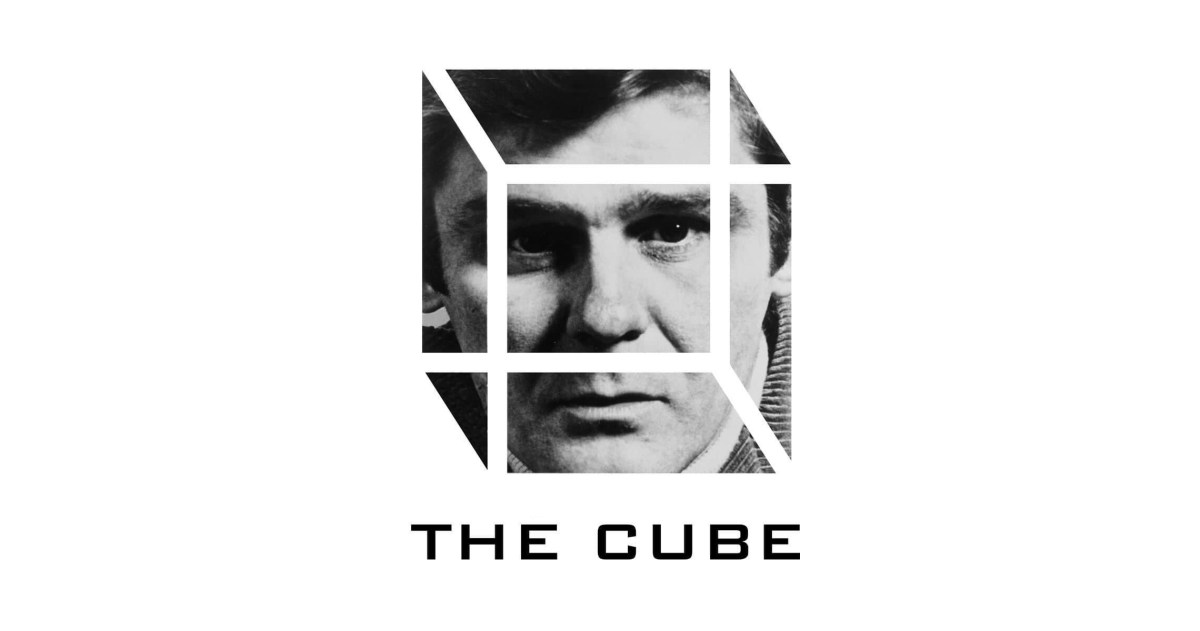
A little-seen Jim Henson project from 1969 is getting renewed attention for how far it sits from the creator’s best-known puppet work. The Verge’s Terrence O’Brien describes The Cube as a strange, 53-minute teleplay whose confined setup and reality-bending questions anticipate later anthology science fiction.
According to The Verge, The Cube was made for NBC’s Experiment in Television, an anthology series built around unconventional films, plays and documentaries. O’Brien writes that the series also included an episode featuring media theorist Marshall McLuhan discussing his well-known idea that “the medium is the message.”
The Henson production stands apart from the Muppets-centered work most viewers associate with him, The Verge reports. O’Brien notes that while Henson later showed a taste for darker fantasy with The Dark Crystal, The Cube pushes into more abstract and unsettling territory.
A man, a room and no exit
The Verge describes The Cube as a bottle film that takes place almost entirely inside one space. Its unnamed central character wakes inside a white cube and does not know where he is or how he arrived there.
O’Brien writes that the room has no visible door or windows, only white wall panels. The first break in the setting comes when another person opens a hidden section of wall and brings in a stool, but after that person leaves, the trapped man cannot open the same passage himself.
From there, The Verge reports, the film sends a procession of people into the cube through unseen entrances. O’Brien says the visitors come and go while the central character remains unable to control the room or understand its rules.
The encounters grow stranger as the teleplay continues, according to The Verge. O’Brien points to details including strawberry jam left on the stool and a woman who says she is the man’s wife, even though he does not recognize her.
Existential questions inside a white box
The Verge says those scenes gradually move the story beyond an odd confinement premise. O’Brien writes that the interactions raise doubts about the man’s grasp of reality, his mental state and the nature of the cube itself.
The review frames The Cube as part of Henson’s more experimental side, a project with humor, surrealism and dread rather than the family-friendly tone often linked to his name. The Verge’s headline compares the teleplay to Black Mirror, presenting it as an early example of the kind of closed, conceptual TV nightmare that later became familiar in anthology science fiction.
The Verge’s account also points readers to Henson Company material on the project, underscoring that The Cube remains part of the official record of Henson’s work even if it is less widely known than his later productions.
This story draws on original reporting from The Verge.