
Farmed salmon omega-3 decline raises questions about fish guidance
A USDA-led study reports lower omega-3 levels in farmed salmon, though its authors say more representative research is needed.
By Maya Lindqvist · Senior Technology Correspondent
3 min read
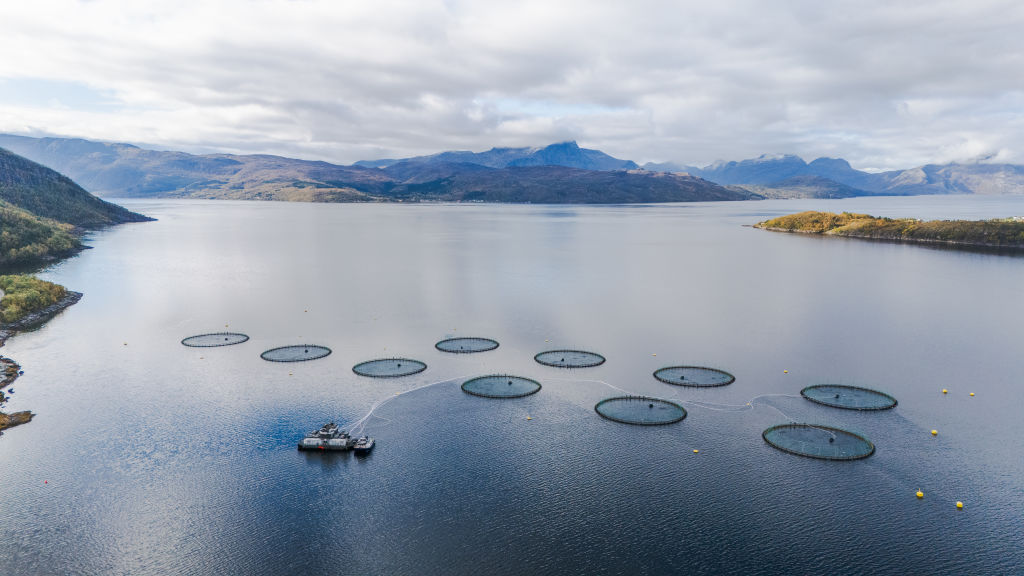
A reported farmed salmon omega-3 decline is raising questions about whether nutrition advice based on older fish data still reflects what consumers buy today. A USDA-led study found considerably lower levels of omega-3 fatty acids in farmed salmon, according to Inside Climate News, but the researchers said their sample was too limited to justify a change in federal dietary guidance.
The finding does not establish that farmed salmon is unhealthy or unsafe. It points to a possible change in the amount of certain beneficial fats in the fish, and to the need for a broader study before officials revise recommendations.
Why are omega-3 levels in farmed salmon falling?
According to Inside Climate News, researchers linked the decline to changes in salmon feed. Farmed salmon, which are naturally carnivorous, have increasingly been fed terrestrial crops and oils, including soy and canola, rather than ingredients derived from smaller fish.
That matters because feed helps determine the fats found in farmed salmon. The Washington State Department of Health says that using more plant-based ingredients generally reduces long-chain omega-3 fats in salmon, while the amount and type of omega-3 in farmed fish depend on the diet they receive.
A 2017 peer-reviewed review reached a similar conclusion. It found that EPA and DHA, two long-chain omega-3 fatty acids, in farmed salmon had nearly halved as fish meal and fish oil were replaced with land-based alternatives. The review also reported declines in vitamin D and selenium in farmed fish over the preceding decade.
Does the research mean people should avoid farmed salmon?
No change in U.S. dietary advice has been reported. The authors of the newer USDA-led study said a larger, more representative analysis is needed, according to Inside Climate News.
Current guidance also does not support a blanket conclusion that farmed salmon has less total omega-3 than wild salmon. Washington State health officials say farmed salmon can contain as many grams of omega-3 as wild salmon because it tends to be fattier, and that feeds contain enough fish oil to keep omega-3 levels equivalent to or above those in most wild fish.
The comparison can vary by species, feed and the individual fish. Cleveland Clinic, citing USDA FoodData Central data for 3-ounce portions, lists 1.8 grams of omega-3 for farmed Atlantic salmon and 0.8 grams for wild sockeye salmon. That is a comparison of particular fish types, not evidence against the reported long-term decline in farmed salmon's omega-3 content.
What does it mean for shoppers?
The new finding is best understood as a question about changing nutrient content, rather than a warning to stop eating farmed salmon. Washington State's health department describes salmon as high in protein and omega-3 fatty acids and says both farmed and wild salmon have low levels of mercury, PCBs and other contaminants.
The USDA's Dietary Guidelines for Americans recommend at least 8 ounces of seafood a week and encourage choices such as salmon that are high in omega-3 fats. Whether that advice should be adjusted for shifts in aquaculture feed remains unresolved; the reported study calls for research capable of answering it.
This story draws on original reporting from Ars Technica.