
EV shift could prevent 108,400 US pollution deaths, report says
The International Council on Clean Transportation says faster vehicle electrification would sharply cut deaths and childhood asthma tied to road pollution.
By Hana Yoshida · Markets Reporter
3 min read
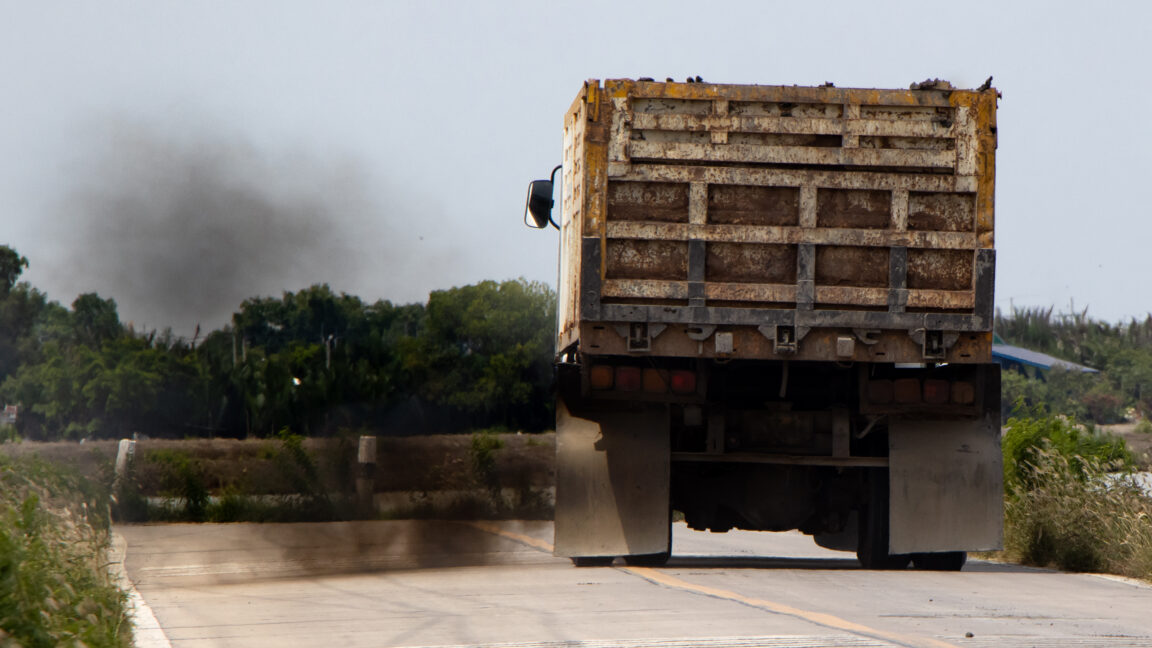
An accelerated move to zero-emission vehicles could prevent 108,400 premature deaths in the United States by 2050, according to a new International Council on Clean Transportation report. The group also estimated that faster electrification could avoid 42,100 new pediatric asthma cases in the country.
The findings put a public-health number on one of the direct effects of replacing gasoline and diesel engines. The ICCT said road transport air pollution is currently linked to more than 41,800 premature deaths, as vehicle exhaust contributes to pollutants associated with respiratory and cardiovascular disease.
The report, prepared by the ICCT with the FIA Foundation, modeled road-transport emissions through 2050. It covered passenger cars and light trucks, heavy-duty vehicles such as buses, delivery trucks and tractor-trailers, and two- and three-wheel vehicles.
The model examined pollutants including nitrogen oxides, black carbon, organic carbon, sulfur oxides, ammonia, carbon monoxide and volatile organic compounds, according to the ICCT. The report then estimated health effects tied to fine particulate matter, ozone and nitrogen oxides, including asthma, chronic obstructive pulmonary disease, diabetes, ischemic heart disease, lung cancer and stroke.
Scenarios for vehicle electrification
The ICCT compared a reference case based on conditions as of August 2025 with a more aggressive electrification path. In the ambitious scenario, all vehicles become zero-emission by 2045, with some regions reaching fully zero-emission light-duty fleets by 2035 and heavy-duty fleets by 2040.
Even under the reference case, the ICCT projected that North America and Western Europe would see sizable cuts in PM2.5 and nitrogen oxide pollution. In lower-income regions, the report said pollution could rise by 50% or more because of weaker rules and slower turnover of older vehicles.
The aggressive electrification scenario would narrow those gaps, according to the ICCT. The report said the poorest countries could see PM2.5 and nitrogen oxide reductions comparable to the reductions that the wealthiest regions achieve in the reference case.
Diesel trucks carry a large share of emissions
Heavy-duty diesel vehicles play an outsized role in the problem, the ICCT said. Although they make up about one in 20 vehicles on the road, the report said they account for 36% of transport energy use, 60% of tailpipe nitrogen oxides, 55% of tailpipe PM2.5 and 65% of tailpipe sulfur dioxide.
Two- and three-wheel vehicles also contribute disproportionately to some pollutants, according to the report. The ICCT said they represent 4% of transport energy use but produce 14% of tailpipe PM2.5, 19% of tailpipe volatile organic compounds and 12% of tailpipe carbon monoxide.
Worldwide, road-transport pollution caused nearly 700,000 premature deaths in 2024 and almost 250,000 new pediatric asthma cases, the ICCT estimated. China had the highest number of premature deaths, while the United States had the most new asthma cases, at 23,100, according to the report.
The ICCT said zero-emission heavy-duty vehicles, including battery-electric and hydrogen fuel-cell models, remain behind passenger vehicles in adoption. The report said zero-emission heavy truck adoption reached 4% in the second half of 2025, with 72,308 such trucks on U.S. roads by December, nearly 20,000 more than at the end of 2024.
Ray Minjares, program director at the ICCT, said zero-emission freight is becoming economically viable on more routes, especially where diesel’s health effects are greatest. He said state policies that lower costs and increase sales of electric freight vehicles could deliver economic growth, energy savings and lower pollution.
This story draws on original reporting from Ars Technica.