
Atwood says Claude error showed why AI outputs need checking
Margaret Atwood said at a Portugal literary festival that her one try with Claude produced a wrong answer, according to Deadline.
By Maya Lindqvist · Senior Technology Correspondent
2 min read
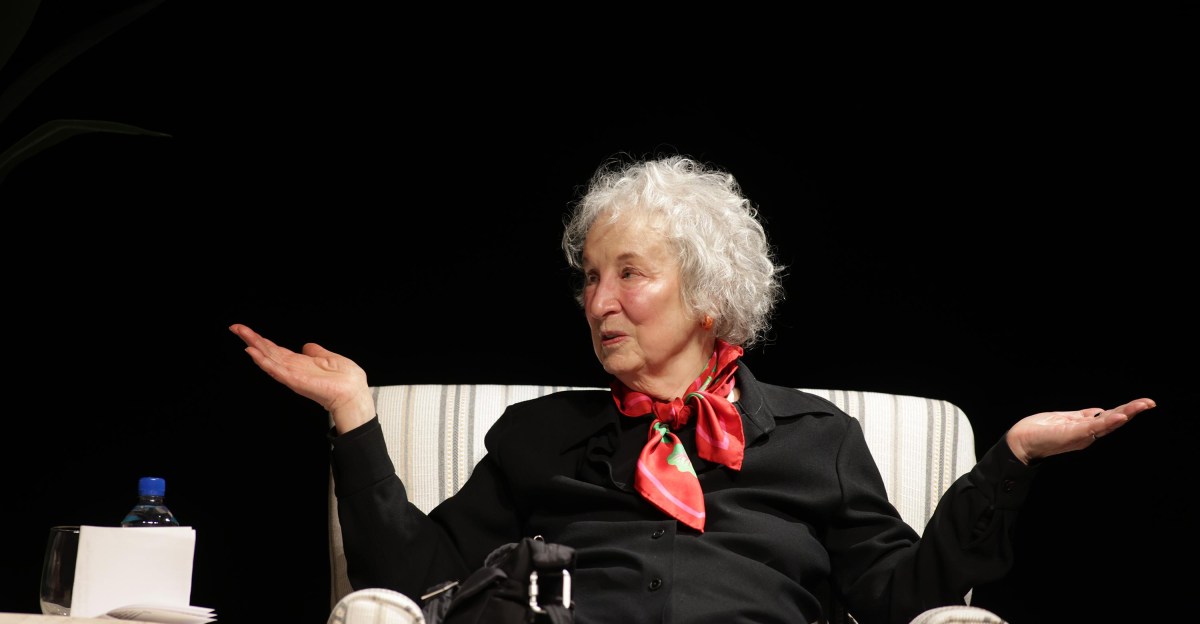
Margaret Atwood said she tried Anthropic’s Claude once and was not persuaded by the result, according to Deadline. Her criticism focused on a basic risk for large language models: they can produce bad answers when the material they draw from is incomplete or misleading.
Deadline reported that Atwood, the author of The Handmaid’s Tale and The Blind Assassin, made the remarks during an interview at the Babell Literary and Cultural Festival in Porto, Portugal. The discussion included artificial intelligence, and Atwood described a single attempt to use Claude for information about the British detective series Father Brown.
According to Deadline, Atwood said Claude gave her an inaccurate response. She said the chatbot “gave me the wrong answer, or it lied,” while adding that she did not mean it lied in the human sense because it is a large language model rather than a person.
Atwood’s explanation, as reported by Deadline, was that Claude appeared to have drawn from television criticism and reviews. She said those write-ups often avoid revealing endings, which meant the chatbot was working from material that did not contain the information needed to answer correctly.
The episode led Atwood to a broader warning about relying on AI systems. Deadline quoted her as saying the problem with AI is “garbage in, garbage out,” and that even people using the technology for business need to verify its work because it can make errors.
Atwood also criticized people who use AI to avoid doing work themselves, according to Deadline. She described human beings as opportunists and said that if cheating is easy and difficult to spot, people will use that opening.
The comments add a prominent literary voice to concerns about the limits of generative AI systems. Atwood’s point, as reported by Deadline, was less about one chatbot mistake than about trusting systems trained on previously published material that may be partial, dated or otherwise unreliable.
This story draws on original reporting from The Verge.