
Ars editor points to science and civic trust as reasons for U.S. hope
Eric Berger marked America’s 250th birthday with a warning about national decline and a case for guarded optimism.
By Maya Lindqvist · Senior Technology Correspondent
3 min read
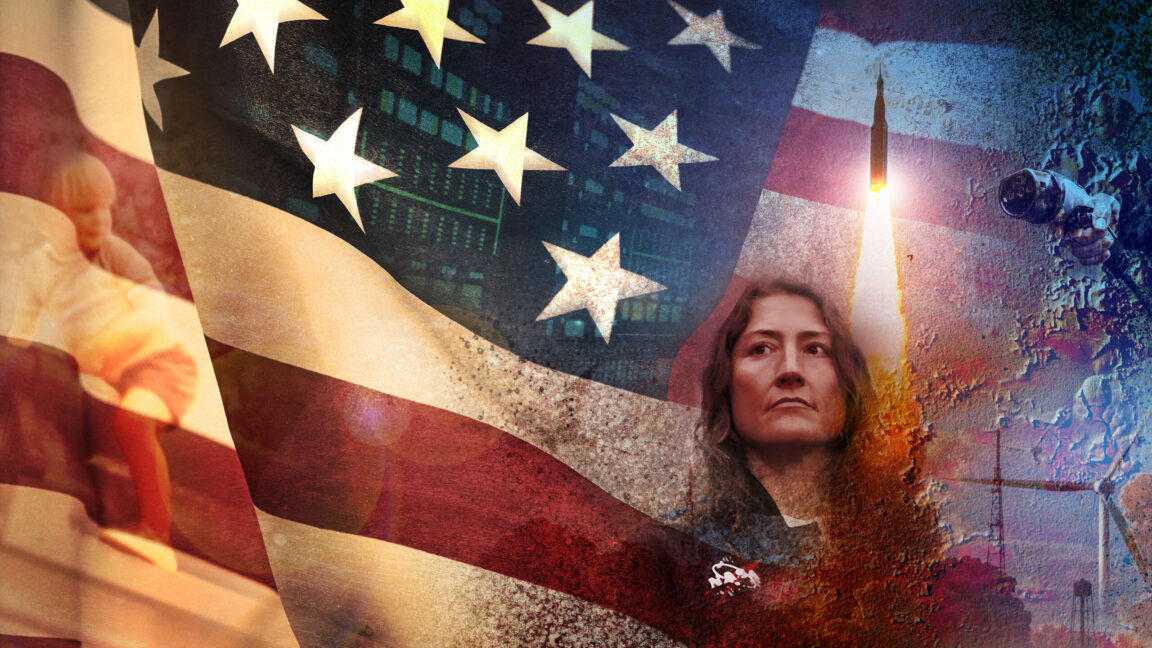
Ars Technica senior space editor Eric Berger used the United States’ 250th anniversary to argue that the country still has tools to renew itself despite years of political anger, distrust and pessimism. His essay matters because it frames the anniversary less as a celebration than as a test of whether Americans can rebuild public trust and keep investing in science, civic life and factual information.
Berger opened with memories of the 1976 bicentennial in small-town Michigan, where he recalled a parade, a courthouse cannon and his father, a veteran and city council member, speaking about democracy. He contrasted that childhood moment with later reflections on the country’s achievements, including its role in World War II, the civil rights movement and the Moon landing.
He described the late 20th century as a period when the United States remained, in his view, a country that could be celebrated despite its flaws. Berger cited the fall of the Berlin Wall, the 1990s economy and U.S. investments in research and universities as signs of American strength before and around the start of the new millennium.
The essay then turned to what Berger sees as a long decline in public confidence. He pointed to the Sept. 11 attacks, the wars in Afghanistan and Iraq, the 2008 financial crisis, online conspiracy communities, distrust of the media and weakening agreement over shared facts.
Berger also linked the country’s mood to a harsher political climate. He wrote that Donald Trump’s first election reflected frustration among Americans who felt ignored by the political class, and argued that the disruption Trump promised brought deeper contempt, corruption and admiration for authoritarian leaders.
Gallup has found that Americans’ optimism about their own futures has fallen to a record low, according to the essay. Berger said that measure is now lower than during the pandemic, when many people still expected conditions to improve.
Berger listed climate change, uncertain job prospects for Generation Z, artificial intelligence, concentrated wealth, home affordability, social media and online gambling among the problems facing younger Americans. He wrote that those pressures weigh on him as the father of two daughters who recently became young adults.
Still, Berger argued that the country retains mechanisms for renewal, including elections, immigration, free speech and economic mobility. He said Americans can resist misinformation, despair and fraud by becoming “makers” again.
He pointed to his own Houston weather site, Space City Weather, as one example of public demand for measured, evidence-based information. Berger said the site was created to give residents storm coverage without hype, and that people turn to it during dangerous weather because they trust it.
Berger also cited the space industry and broader scientific work as sources of hope. He wrote that people are building satellites to monitor deforestation, collect solar energy, connect communities and seek resources beyond Earth, while medical research continues to make gains against cancers and genetic diseases.
He acknowledged federal pressure on science, saying the White House has sought cuts across agencies and set damaging health policies on vaccines. But he said Congress has resisted some proposed science cuts on a bipartisan basis.
Berger closed by arguing that facts can still defeat falsehoods over time, citing failed rockets, false medical claims, corrupt accounting and satellite imagery from Ukraine as examples. His final point was that individual civic action remains limited on its own but powerful when joined with others.
This story draws on original reporting from Ars Technica.