
Apple asks Supreme Court to overturn App Store contempt ruling
The case could decide how far Apple can go in charging developers who steer users to outside payment options.
By James Whitfield · Staff Writer
4 min read
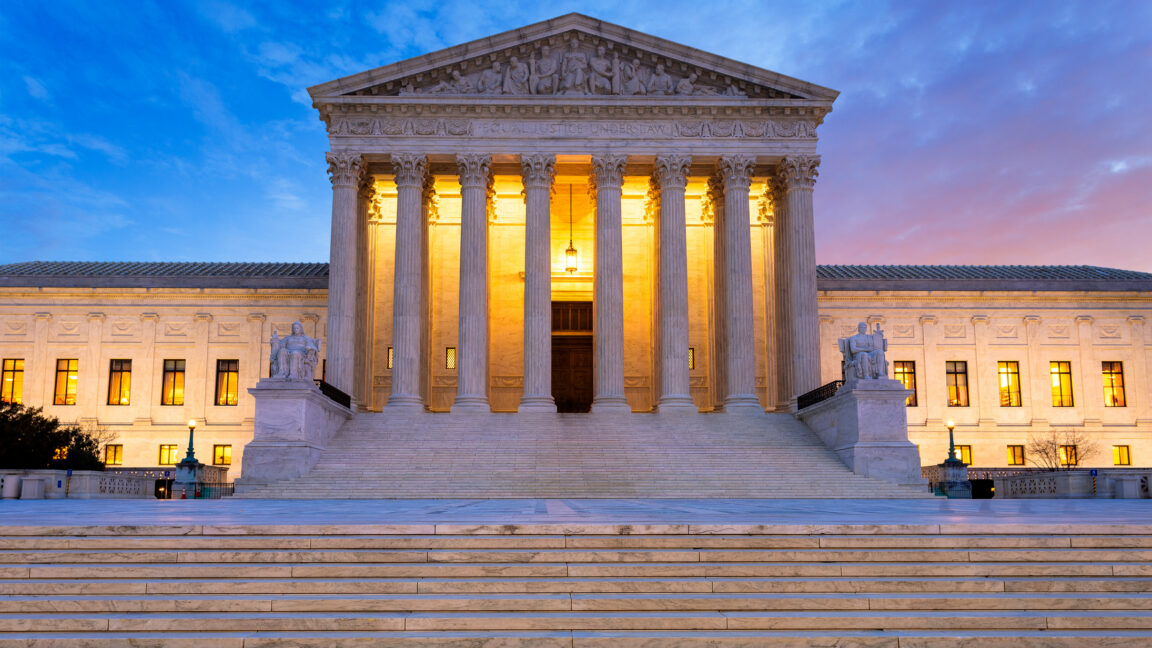
Apple has taken its App Store fight with Epic Games to the Supreme Court, seeking to undo a contempt ruling tied to commissions on purchases made outside Apple’s payment system. The outcome could affect how much Apple may charge developers who direct iPhone users to alternative payment methods.
The dispute stems from Epic’s challenge to Apple’s App Store rules. According to court records described by Ars Technica, Apple’s store had charged a 30% commission for purchases using Apple’s payment system and barred developers from linking users to other payment options.
A judicial order required Apple to permit developers to add links for payments outside Apple’s ecosystem. Apple later allowed those links but imposed a 27% commission on purchases reached through them, Ars Technica reported.
Epic argued that Apple’s response violated the order. The 9th US Circuit Court of Appeals sided against Apple in December, concluding that Apple’s fee structure undercut the order because the charges were high enough to discourage developers from changing their apps for only a small savings, according to Ars Technica.
Apple challenges the legal standard
In its Supreme Court petition, Apple argued that the 9th Circuit used an improper standard by finding contempt based on the “spirit” of an injunction rather than its explicit terms. Apple said other federal appeals courts require a contempt finding to rest on conduct clearly barred by a court order.
Apple told the justices that it could not have been held in contempt in those other circuits for charging a commission that the underlying order did not address. The Supreme Court said Tuesday it would consider whether civil contempt can rest on violating an injunction’s “spirit” when the order does not mention the challenged conduct, or whether the order must clearly prohibit the precise conduct at issue.
Apple said in its filing that the stakes are large because millions of app purchases may be affected. The company also argued that regulators and courts outside the United States are watching the case as they consider what fees Apple may charge for transactions routed outside its App Store payment system.
Apple warned that if the contempt ruling shapes later proceedings over the proper commission rate, the result could be difficult to change in other jurisdictions. The company said a reversal could mean no court-ordered change is needed if Apple proposes an acceptable commission itself.
Epic and regulators press for lower fees
Epic said on X that it would continue the fight at the Supreme Court against what it called Apple’s “junk fees” on third-party payments. Epic said lower courts had found Apple’s fees illegal and anticompetitive.
Reuters reported that the Supreme Court is likely to hear the case during its next term, which begins in October.
The fight is also unfolding as regulators abroad examine similar app store rules. The Guardian reported that the United Kingdom’s Competition and Markets Authority is preparing to challenge how Apple and Google structure their app stores to restrict links to alternative payment methods.
According to The Guardian, the CMA has said consumers and app owners are harmed by Apple and Google limits on spending outside their app stores. The watchdog has suggested Apple could still charge for link-outs, but that any fees would need to be applied fairly.
Apple has argued that its commissions compensate the company for the tools, technology and services that support app development and distribution. In its filing, Apple said those fees help pay for items including iPhone hardware, Apple silicon, developer tools and the App Store platform that downloads, updates and maintains apps.
Epic, in paused district court proceedings, wants Apple to produce records supporting its commission structure, Ars Technica reported. Apple is seeking to avoid sharing confidential business information about App Store decisions, linked-out purchases and internal compliance discussions if the Supreme Court reverses the contempt finding.
Ars Technica reported that Apple did not immediately respond to its request for comment.
This story draws on original reporting from Ars Technica.