
Long soil-warming study finds forest carbon may be less secure
A 37-year forest experiment found that warming can destabilize soil carbon once thought resistant to decay, adding a concern for climate projections.
By Tom Brennan · Health & Medicine Correspondent
3 min read
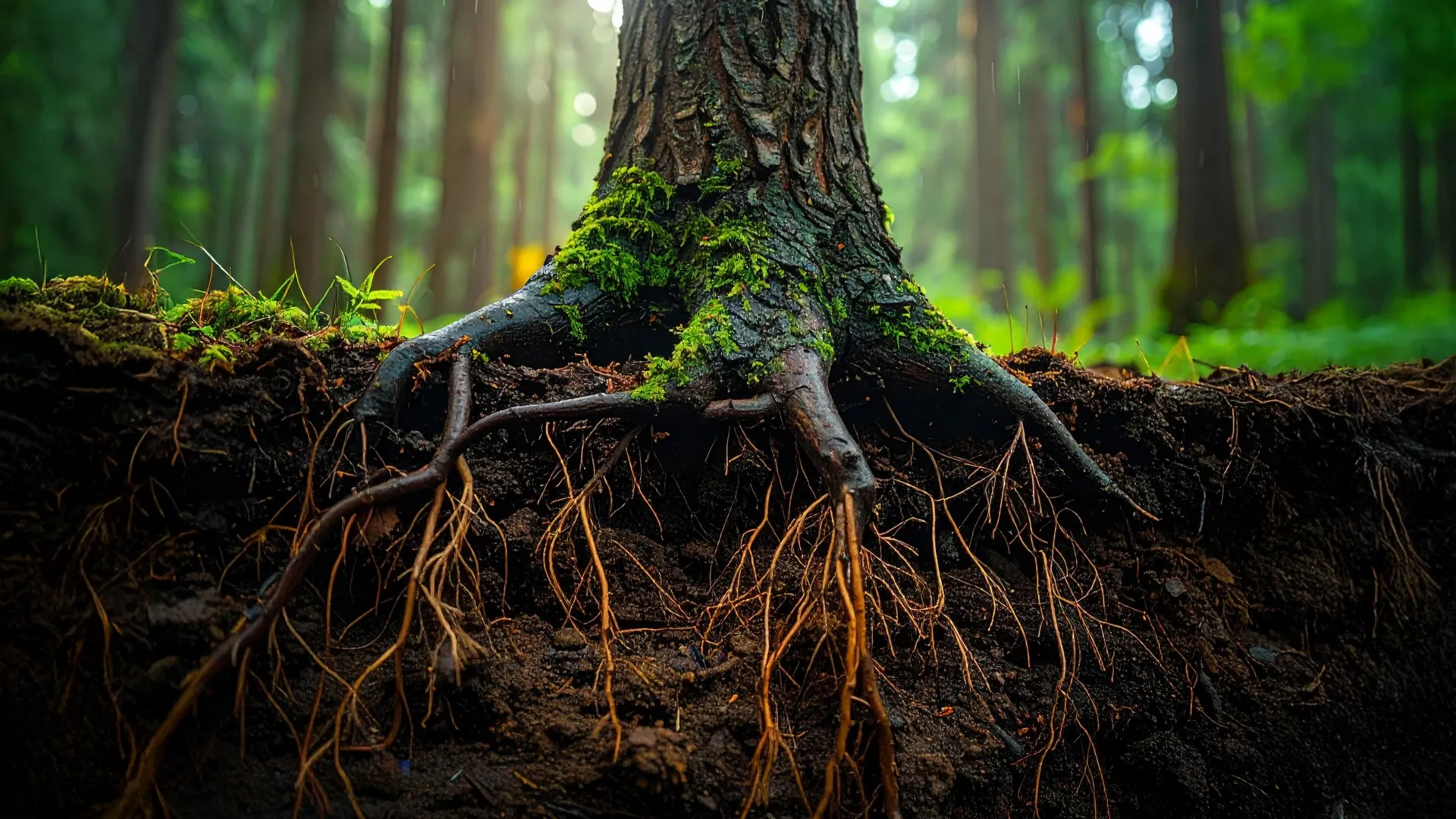
A decades-long forest experiment in Massachusetts has found that warming can cause microbes to break down forms of soil carbon previously considered durable. The finding matters because that process can release additional carbon dioxide, according to the Marine Biological Laboratory, adding another feedback risk to climate projections.
The research comes from heated plots in Harvard Forest in central Massachusetts, where scientists have tracked soil responses for 37 years. The Marine Biological Laboratory described the work as the world’s longest-running soil-warming experiment.
Jerry Melillo, a distinguished scientist at the Marine Biological Laboratory, has led the work on plots kept 5 degrees Celsius warmer than nearby untreated ground throughout the year. According to the laboratory, the team chose that temperature increase because it reflected the upper end of global warming projections when the experiment began.
Warming reached carbon thought to be protected
The study found that during the fourth decade of warming, persistent portions of soil organic matter began to decompose. The Marine Biological Laboratory said those pools had been viewed as more resistant to microbial breakdown driven by warming.
Microbes play a central role in soil ecosystems by decomposing organic material and cycling nutrients needed by plants, according to Melillo. The laboratory said shifts in those microbial communities under warming can increase the amount of carbon lost from soil.
That loss matters for the climate because soils store large amounts of carbon. When carbon-rich organic matter decomposes, carbon dioxide can be released into the air, according to the researchers.
The authors said the results suggest temperate forest soils could add more carbon dioxide to the atmosphere under continued warming than earlier assumptions allowed. The paper, published in Science of The Total Environment, is titled “Three decades of continuous warming in temperate forests destabilizes persistent forms of soil organic matter.”
Implications for climate models
The Marine Biological Laboratory said the finding points to a potentially stronger climate feedback loop: warming can accelerate soil carbon losses, and those losses can add carbon dioxide to the atmosphere. The researchers said climate models should account for this process to better project how the carbon cycle responds as temperatures rise.
Global average temperatures have already risen by about 1.1 to 1.4 degrees Celsius since the Industrial Revolution, according to the laboratory. Melillo said future warming will depend in large part on steps to reduce greenhouse gas emissions, including lower carbon dioxide emissions from fossil-fuel burning and reduced deforestation.
The journal paper lists Atzín X. San Román, Serita D. Frey, Melissa A. Knorr, Huan Tong, Jerry M. Melillo and Myrna J. Simpson as authors. The Marine Biological Laboratory said the long time span of the Harvard Forest experiment allowed scientists to observe soil changes that would have been difficult to detect in shorter studies.
This story draws on original reporting from ScienceDaily.