
US measles cases 2026 have already passed last year's total
CDC data show 2,318 measles cases so far this year, surpassing 2025 as outbreaks and lower vaccination rates raise alarm.
By Priya Raghavan · Science Reporter
3 min read
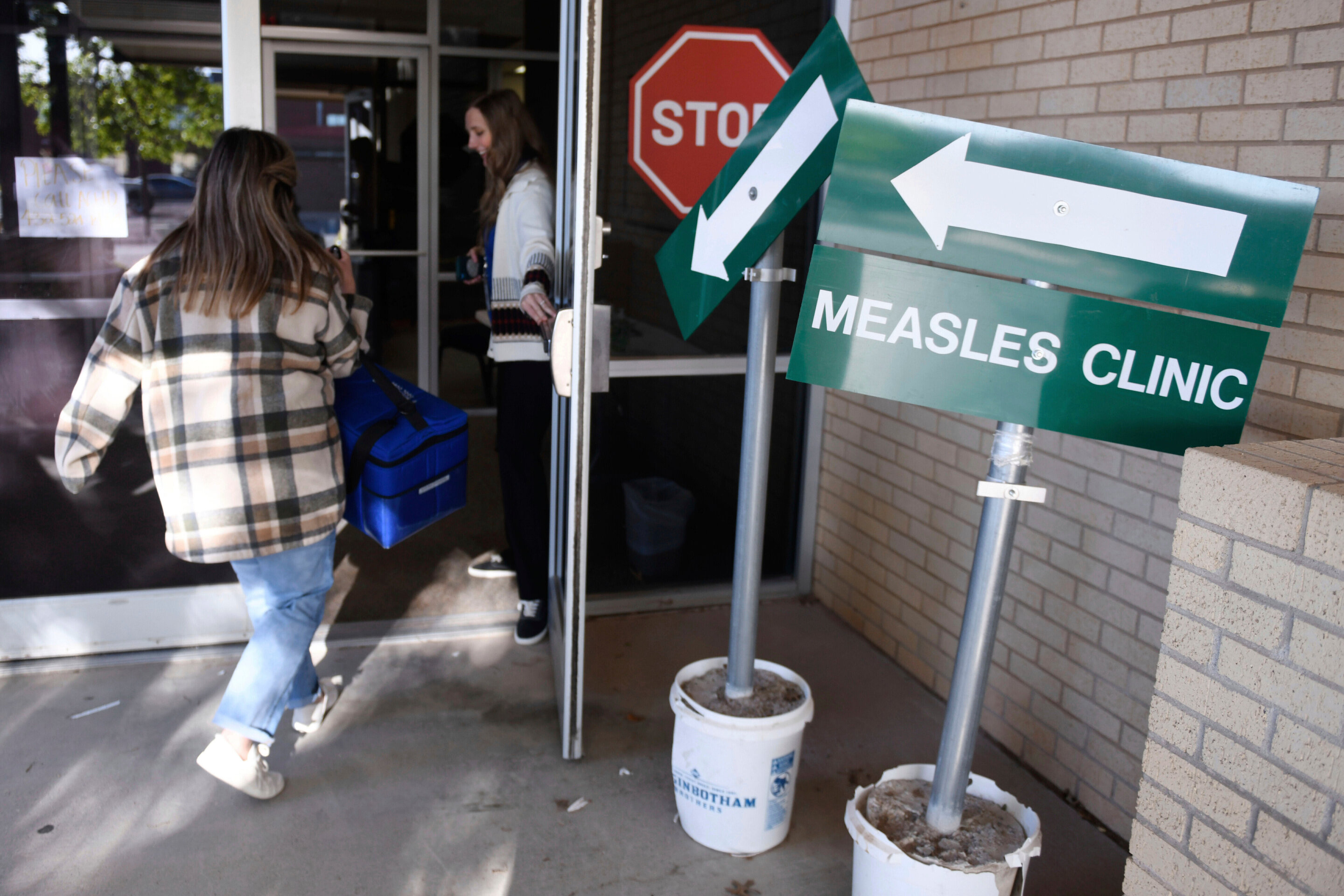
US measles cases 2026 have already exceeded the full-year count from 2025, according to a Centers for Disease Control and Prevention update reported by The Associated Press. The CDC logged 2,318 cases as of Thursday, compared with 2,289 cases in all of 2025.
The new count makes 2026 the country’s worst measles year since 1991, according to the AP. The increase comes with five months left in the year and amid large outbreaks in South Carolina, Utah and Arizona, plus smaller clusters in other states.
The 2025 total had already marked the worst year for measles in more than three decades, the AP reported. Public health officials are now watching whether the United States can keep the measles-free status it has held since 2000.
Could the US lose measles-free status?
International health officials are expected to meet in November to decide whether the United States and Mexico have lost measles-free status, according to the AP. The status means local spread of measles had been eliminated, which the United States achieved in 2000 after maintaining high vaccination rates.
Health experts say vaccination coverage of about 95% is needed to prevent outbreaks, the AP reported. National measles, mumps and rubella vaccination among kindergartners fell to 92.5% in the 2024-25 school year, down from 95.2% in 2019-20, and national figures can hide lower rates in some communities.
Why are measles cases being undercounted?
Public health departments and disease researchers say official measles counts do not capture every infection, according to the AP. Some sick people do not seek care or testing, and incomplete information can leave probable cases out of confirmed totals.
Measles is among the most contagious viruses known to medicine, experts told the AP. That makes gaps in testing and reporting more consequential in communities where vaccination rates are low.
In Utah, state health officials have been responding to measles for more than a year, and more than 700 people have been sickened during that period, according to the state health department. State epidemiologist Dr. Leisha Nolen said modeling and genetic analysis suggest a large outbreak near the Utah-Arizona border could be three to four times larger than the known count.
South Carolina has reported 997 measles cases in what state officials described as the nation’s largest outbreak in 35 years, according to the AP. The state health department has said that figure is probably an undercount, but acting health department director Dr. Brannon Traxler said the size of the gap is impossible to know and may change during an outbreak.
Damon Toth, an applied mathematician at the University of Utah’s medical school, told the AP that hospitalization rates can help estimate the true scale of an outbreak. He said that method has limits because not every state requires measles hospitalizations to be reported.
Texas outbreak is still being studied
Researchers are still estimating the size of Texas’ 2025 measles outbreak, according to the AP. Early findings indicate it may have been nearly twice as large as the 762 confirmed cases.
Rémy Pasco, a mathematical epidemiologist at the University of Colorado Boulder, told the AP that undercounts were expected. He said that when a community lacks the vaccination coverage health experts recommend, there is little that can be done once measles begins spreading.
Texas chief state epidemiologist Dr. Varun Shetty told the AP that some people tested positive, but officials could not confirm who else lived in the household or whether they were sick. Texas health officials previously reported that 182 probable cases among minors in Gaines County went unconfirmed in March 2025 because of missing information; the county’s confirmed outbreak total was 414.
Dr. Mark Roberts, retired director of the Public Health Dynamics Lab at the University of Pittsburgh School of Public Health, told the AP that outbreaks put babies, people with weakened immune systems and some vaccinated people who do not develop strong immunity at risk. He said vaccination decisions affect others, comparing refusal to vaccinate to driving a car without brakes.
This story draws on original reporting from Medical Xpress.