
Study links lower ULK1 protein to Alzheimer’s-related brain changes
Researchers say reduced ULK1 may weaken the brain’s cellular cleanup system, offering a possible clue to why Alzheimer’s risk rises with age.
By Tom Brennan · Health & Medicine Correspondent
3 min read
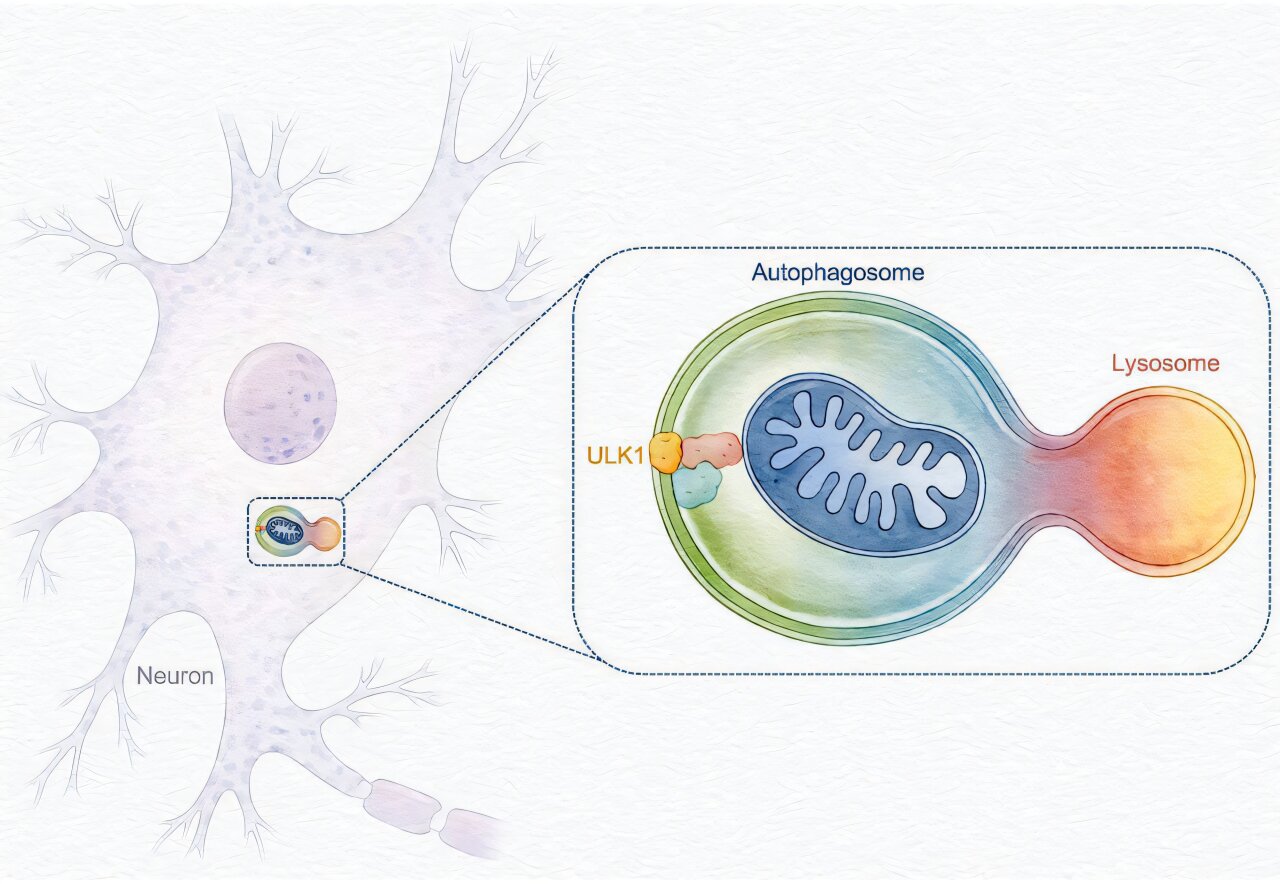
Lower levels of a protein involved in cellular waste removal may help explain why aging brains become more susceptible to Alzheimer’s disease, according to researchers at the University of Oslo. The findings, published in Nature Aging, point to ULK1 as a possible part of the disease process and a potential future treatment target.
The work was led by Evandro Fei Fang-Stavem, a professor of gerontology and neuroscience at the University of Oslo’s Department of Clinical Molecular Biology. His group studies molecular mechanisms behind aging and age-related disease.
Protein cleanup weakens with age
Cells rely on a cleanup and recycling process called autophagy to remove damaged proteins and other worn-out components. Fang-Stavem’s team says ULK1 helps start and run that machinery, allowing cells to break material down into building blocks they can reuse.
In Alzheimer’s disease, that system does not work properly, according to the University of Oslo researchers. Waste products and disease-linked proteins can accumulate, interfering with communication between brain cells and contributing to cognitive impairment.
The new study used human and laboratory material, including blood and brain fluid samples from people with Alzheimer’s disease. Anne-Brita Knapskog, a professor at the University of Oslo’s Department of Geriatric Medicine and a co-first author, said the study suggests ULK1 acts as a central regulator of the brain’s cleaning and recycling system.
Compared with cognitively unimpaired people, Alzheimer’s patients had reduced ULK1 in blood and brain fluid, Knapskog said. She said falling ULK1 levels with age may make the cleanup system less effective, giving Alzheimer’s-related damage more room to build.
Changes seen in memory-related brain regions
The researchers also studied brain fluid from cognitively healthy older people in Norway. According to the team, ULK1 levels fell over four years even among people without cognitive impairment.
Fang-Stavem said ULK1 levels were lower in Alzheimer’s patients than in cognitively unimpaired controls, and that the reduction appeared to become stronger as disease progressed. The team also reported lower ULK1 in brain areas affected by Alzheimer’s, including regions involved in forming, storing and retrieving long-term memories, as well as areas tied to attention and self-control.
Alzheimer’s disease causes progressive loss of nerve cells in the brain and is associated with memory loss, reduced function and personality changes, according to the University of Oslo account of the research. Age remains the largest risk factor for developing the disease.
Fang-Stavem said the aging global population adds urgency to Alzheimer’s research. He cited projections that by 2100, one in four people worldwide will be older than 65, raising health and socioeconomic concerns linked to aging and dementia.
Possible drug target, but more work needed
Knapskog said current medicines that can slow Alzheimer’s progression have modest effects, underscoring the need for new approaches. Fang-Stavem’s group has also been studying natural compounds, including molecules from traditional Chinese medicine, passion fruit and pomegranate, for possible relevance to Alzheimer’s symptoms or disease mechanisms.
Fang-Stavem is leading a phase II clinical trial in Alzheimer’s disease based on earlier preclinical work on a natural compound found in pomegranate. According to the University of Oslo, that compound showed potential in reducing Alzheimer’s-related “brain garbage” in laboratory research.
The researchers cautioned that ULK1 is not ready for use as a disease measurement or treatment target. Fang-Stavem said more studies are needed to validate the findings before attempts to increase ULK1 activity can be assessed as a drug-development strategy.
The paper, “Reduced ULK1 links impaired autophagy and mitophagy to Alzheimer’s disease pathology,” was published in Nature Aging. Nature Reviews Neurology also published a research highlight on the findings.
This story draws on original reporting from Medical Xpress.