
Research links shingles vaccination to lower dementia risk
Large studies in several countries have found lower dementia risk among older adults who received or were eligible for shingles shots.
By Priya Raghavan · Science Reporter
3 min read
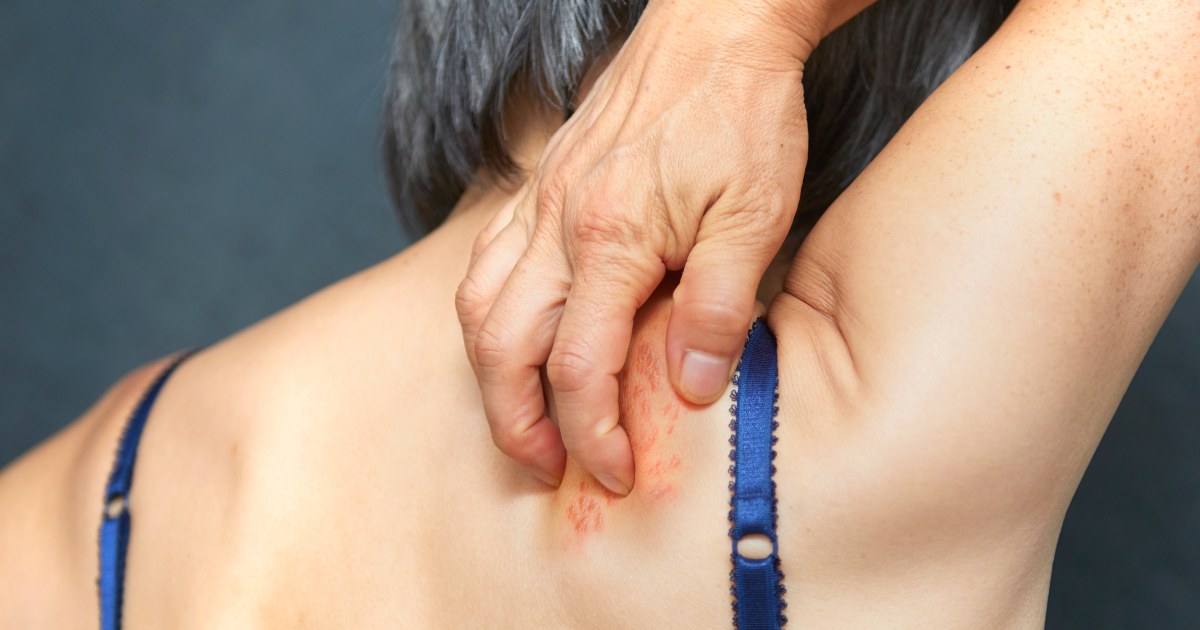
Several large studies have linked shingles vaccination with a lower risk of dementia among older adults. The findings add a possible brain-health reason for people to get a shot already recommended to prevent a painful viral disease.
A study published June 16 in the Annals of Internal Medicine found that nursing facility residents who received at least one shingles vaccine dose within a year of admission had a 5.8% lower risk of dementia over the next four years. The Brown University-led analysis used health records for more than 509,000 U.S. nursing facility patients ages 66 and older admitted from 2017 through 2022.
Kaley Hayes, the study’s lead author and associate director of pharmacoepidemiology at Brown University’s Center for Gerontology and Healthcare Research, said the findings suggest about 1 in 17 dementia cases could possibly be prevented through shingles vaccination.
Other countries show similar patterns
Research in other countries has produced related results. A Nature study of more than 282,000 older adults in Wales found shingles vaccination was associated with a 3.5% lower dementia risk over seven years.
A study of more than 101,000 older adults in Australia, published in the Journal of the American Medical Association, found vaccine eligibility was linked with a 1.8% lower dementia risk over 7.4 years. A Lancet Neurology study of more than 232,000 older adults in Canada found eligibility was associated with a 2% lower risk over 5.5 years.
The varicella-zoster virus causes both chickenpox and shingles. According to the Centers for Disease Control and Prevention, more than 99% of Americans born in 1980 or earlier have had chickenpox, and about 1 million people in the United States develop shingles each year.
Shingles occurs when the virus reactivates in the body, often years after chickenpox. Dr. Jennifer Pauldurai, medical director of the Inova Brain Health and Memory Disorders Program in northern Virginia, said illness and inflammation can strain the brain and make underlying dementia risks more visible.
Scientists are testing possible explanations
Researchers have not proved exactly why shingles vaccination might be tied to lower dementia risk. Dr. Timothy Chang, an assistant professor of neurology at UCLA’s Mary S. Easton Center for Alzheimer’s Research and Care, said reactivation of the virus may contribute to buildup of amyloid and tau, proteins associated with Alzheimer’s disease.
Chang also said vaccination may strengthen immune responses in ways that reduce inflammation affecting the nervous system. Separate research has found the shingles vaccine is associated with lower dementia risk than influenza and Tdap vaccines.
Hayes said shingles has also been tied to higher risks of heart disease and stroke, which could affect brain health by reducing oxygen supply or damaging cerebral arteries.
The evidence has limits. Ann Philbrick, a professor at the University of Minnesota College of Pharmacy, said people who receive recommended vaccines may already be more health-conscious, which could lower dementia risk for reasons unrelated to the shot.
Hayes said her team accounted for those concerns and designed its observational study to resemble a randomized controlled trial. The studies in Canada and Australia tried to reduce bias by comparing people based on vaccine eligibility by birth date rather than actual vaccination.
U.S. vaccination rates remain low
In the United States, adults 50 and older are eligible for two doses of Shingrix, the only shingles vaccine approved by the Food and Drug Administration. The older single-dose Zostavax vaccine was discontinued in 2020.
The CDC recommends Shingrix even for people who previously had shingles, received Zostavax or received the chickenpox vaccine. Hayes studied Shingrix, while much of the earlier dementia research involved Zostavax.
Philbrick said Hayes’ study was notable for finding that less than 2% of eligible nursing facility patients had received even one Shingrix dose. CDC records show that as of 2022, about one-third of U.S. adults 50 and older and 43.8% of those 60 and older had received at least one dose of a shingles vaccine, with lower rates among Black and Hispanic adults than white adults.
This story draws on original reporting from NBC News.