
Oura Ring 5 gets smaller, but subscription and workout limits remain
NBC Selected’s month-long test found better comfort and sleep tracking, while athletes may be better served by watches.
By Priya Raghavan · Science Reporter
3 min read
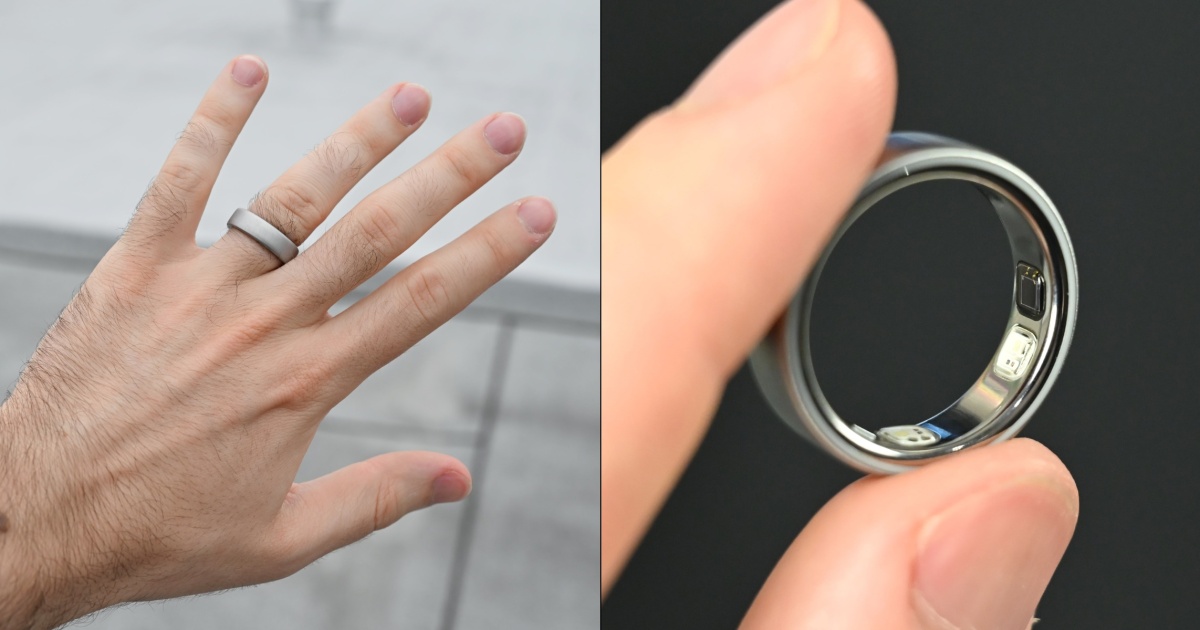
The Oura Ring 5 brings a notably smaller design to one of the best-known smart rings, according to NBC Selected, which tested the device for more than a month. The review found strong sleep and health tracking, but said the ring remains a weaker choice for athletes and people who want detailed outdoor workout data.
NBC Selected reporter Harry Rabinowitz and associate social media editor Caitlin Cusack wore early samples provided by Oura, according to the outlet. Rabinowitz said he compared the ring’s data with other wearables, including the Google Fitbit Air, Whoop 5.0 and Garmin watches, while Cusack assessed first-time use and comfort.
What changed
The Oura Ring 5 starts at $399 at Amazon, Oura and Best Buy, according to NBC Selected. The device has no screen, works with iPhone and Android, is water resistant up to 100 meters and weighs between 2 grams and 2.69 grams, the outlet reported.
NBC Selected said the new model is 40% smaller than the Oura Ring 4. The ring measures 6.09 millimeters wide and 2.28 millimeters thick, according to the review. Battery life is rated at six to nine days per charge, up from five to eight days on the previous model, NBC Selected said.
The ring comes in six finishes and in sizes 6 through 13, according to NBC Selected. That is a narrower size range than the Oura Ring 4, which the outlet said came in sizes 4 through 15.
The Oura Ring 5 tracks health signals including heart rate, body temperature, respiratory rate and blood oxygen, according to NBC Selected. The review said it can automatically identify some workouts, mainly walking and running, and users can also start and stop workouts through the Oura app.
Comfort, sleep and illness tracking
Rabinowitz said the smaller body made the Ring 5 more comfortable for daily use than earlier Oura models. He reported less interference while washing hands, lifting weights and using his hands during the day.
NBC Selected found the ring’s sleep tracking to be one of its strongest areas. Rabinowitz said the Ring 5 more accurately recorded nighttime interruptions than the Apple Watch Series 11 and Google Fitbit Air during his testing.
The outlet also highlighted Oura’s Symptom Radar feature. Rabinowitz and Cusack both became sick during the test period, and NBC Selected said the ring flagged “Major signs of strain” based on elevated resting heart rate, body temperature and respiratory rate.
Cusack told NBC Selected that the illness alert was useful but could also feel stressful, especially because of the red visual treatment used in the app. Rabinowitz said he was less bothered by it because he has tested many fitness trackers.
Where it falls short
NBC Selected said the Oura Ring 5 is less reliable for automatic exercise tracking than for health and sleep metrics. Rabinowitz cited outdoor cycling as an example, saying automatic tracking produced poor GPS-related distance, speed and map data, while manually starting and stopping a workout gave better results.
The review said Oura’s growing app features may also feel like a lot to process. NBC Selected listed sleep debt, symptom radar, heart health, metabolic health, health panels, glucose tracking and GLP-1 insights as examples of newer or expanded tools that can make the app more complex.
The ring also depends heavily on a paid Oura membership, according to NBC Selected. The subscription costs $5.99 a month or $69.99 a year, and users without it are limited to current-day tracking, the outlet said.
NBC Selected concluded that new buyers should choose the Ring 5 over the Ring 4 because of the slimmer design. The outlet said current Oura Ring 4 owners do not need to upgrade immediately unless their ring has problems, is lost or the new model is discounted.
This story draws on original reporting from NBC News.