
Deodorant concealer safe? Dermatologists advise occasional use
Tinted deodorants can mask underarm discoloration, but dermatologists say daily use may irritate sensitive skin.
By Priya Raghavan · Science Reporter
3 min read
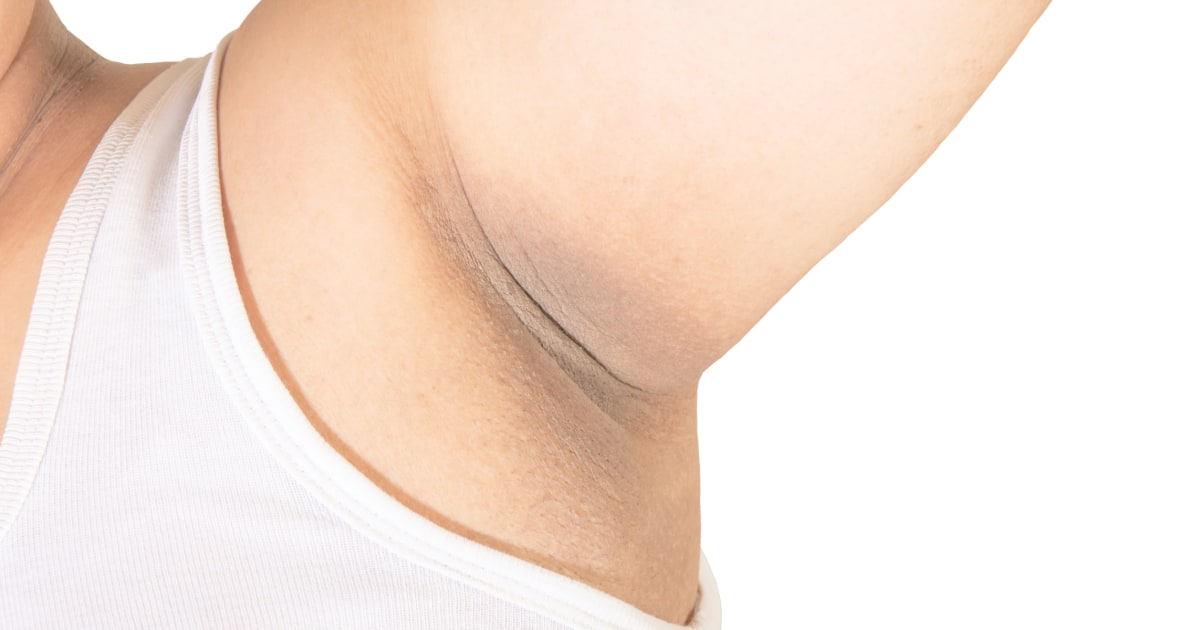
Deodorant concealer safe use is getting attention as tinted underarm products spread across store shelves and social feeds. Dermatologists told NBC Selected that the products can temporarily cover darker underarm skin, but they should be treated more like body makeup than a treatment for discoloration.
The products combine deodorant with skin-toned pigment, aiming to reduce the appearance of underarm hyperpigmentation while helping with odor. According to Dr. Shamsa Kanwal, a board-certified dermatologist and consultant at My Psoriasis Team, they may offer a quick cosmetic improvement, but they do not address the cause of the pigmentation.
What is deodorant concealer?
Deodorant concealer is a tinted deodorant made to blend into the underarm area instead of leaving a clear or white finish. The tint is meant to camouflage uneven tone in the same way facial concealer can cover a blemish, according to NBC Selected’s dermatology reporting.
Kanwal told NBC Selected that the product category is best understood as body makeup with deodorant benefits. That distinction matters because treating underarm discoloration usually requires reducing irritation and, in some cases, using ingredients or treatments recommended by a dermatologist.
Is deodorant concealer safe to use?
Dermatologists quoted by NBC Selected did not describe deodorant concealer as inherently dangerous, but they raised concerns about frequent use. Dr. Tanya Kormeili, a board-certified dermatologist in Santa Monica, California, said wearing makeup in the underarm area every day is not a good idea because the skin there is exposed to sweat, moisture and rubbing.
Kormeili also noted that deodorant concealers should not be mistaken for antiperspirants. Deodorants are designed to help control odor, while antiperspirants reduce sweating; tinted deodorants may not do both.
Fragrance is another concern. Kormeili told NBC Selected that scented formulas may irritate some users, and irritation can worsen the darkening the product is meant to hide. Dermatologists therefore recommend reserving deodorant concealer for occasional use rather than making it part of a daily routine.
What causes dark underarms?
Underarm discoloration often comes from routine irritation, Kanwal told NBC Selected. She cited friction, shaving, waxing, ingrown hairs, inflammation and reactions to deodorants or fragranced products as common triggers.
Kanwal also said eczema, folliculitis and repeated irritation can leave behind darkening. Because underarm skin is sensitive and regularly rubbed by clothing or exposed to hair-removal methods, it may produce extra pigment after inflammation.
Some discoloration deserves medical attention. Kanwal told NBC Selected that thick, velvety dark patches may be acanthosis nigricans, a condition that can sometimes be linked with insulin resistance or another medical issue.
What products are available?
NBC Selected described deodorant concealer as a small and relatively new category with limited long-term feedback. One product drawing attention is Joban Beauty’s Tinted Deodorant, which is sold in five shades: light, warm, medium, tan and dark.
According to NBC Selected, Joban Beauty’s product has mixed customer feedback. It had less than a three-star average on Amazon based on 12 reviews, while the brand’s own site showed a 3.9-star average from 382 reviews, including 267 ratings of four stars or higher.
How should deodorant concealer be removed?
Kanwal told NBC Selected that users should wash off deodorant concealer at the end of the day so pigment, sweat and residue do not sit on the skin. She recommended lukewarm water, a gentle fragrance-free cleanser and patting the area dry rather than scrubbing.
For people trying to fade discoloration over time, Kanwal said the first step is limiting triggers such as friction, close shaving and products that burn or itch. She also identified niacinamide, azelaic acid, tranexamic acid, lactic acid and mandelic acid as ingredients that may gradually help when used carefully.
This story draws on original reporting from NBC News.