
Delayed CDC Covid vaccine study is published in medical journal
The study found last season’s Covid shots cut adults’ risk of severe illness by about half, according to JAMA Network Open.
By Tom Brennan · Health & Medicine Correspondent
3 min read
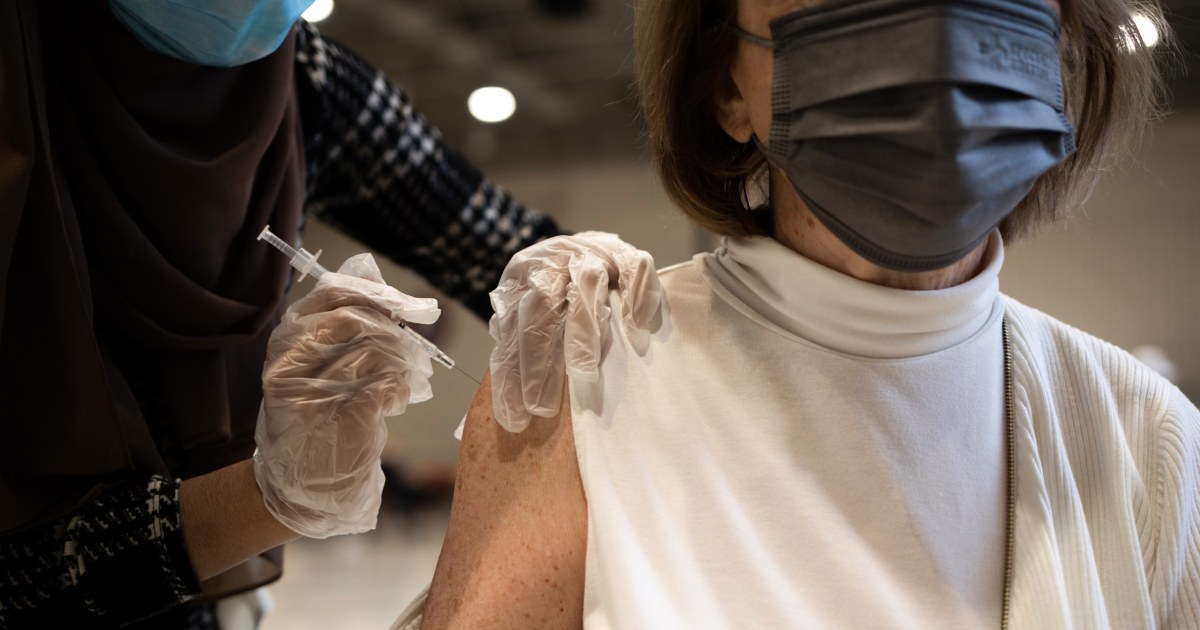
A Covid vaccine effectiveness study that did not appear in the CDC’s main scientific bulletin has been published by JAMA Network Open. The findings matter because they add public evidence that last fall and winter’s Covid shots reduced severe outcomes among adults, while renewing questions about how federal health officials handle vaccine research.
The study reported that the 2025-26 Covid vaccine formulation was linked to a 50% lower chance of a Covid-related emergency room or urgent care visit and a 55% lower chance of hospitalization for Covid. NBC News reported that the paper had been expected in March in the Centers for Disease Control and Prevention’s Morbidity and Mortality Weekly Report.
According to NBC News, CDC acting director Jay Bhattacharya raised objections to the study’s methods after scientific review had been completed and MMWR editors had approved the paper. Current and former CDC employees told NBC News in April that those objections led to the paper being held back from the CDC publication.
What the study examined
The research covered adults who sought care at hospitals or urgent care centers in seven states from September through December last year with symptoms that could have been Covid, according to the published study. Researchers compared vaccination among patients who tested positive for Covid with vaccination among those who tested negative around the time of their medical visit.
That approach, known as a test-negative design, is widely used to estimate vaccine effectiveness in real-world settings. In the JAMA Network Open paper, the authors described it as a practical way to produce timely vaccine data.
Bhattacharya has criticized that design. In a Washington Post opinion essay, he wrote that it leaves out information on people who were not hospitalized and can be affected by factors such as earlier infections. He said the estimates produced by the method could be too high or too low.
Bhattacharya told NBC News he considers longitudinal cohort studies a stronger method. Such studies would follow vaccinated and unvaccinated people over time and compare illness rates, though some experts told NBC News they can cost more and take longer than test-negative studies.
Federal response and outside reaction
Emily Hilliard, a spokesperson for the Department of Health and Human Services, told NBC News that the CDC must provide accurate and trustworthy information and apply high standards of scientific rigor, especially for findings that could affect immunization decisions. She said taking time to ensure that analyses are sound and clearly explained is preferable to risking errors.
Some public health experts viewed the decision to withhold the paper from MMWR as political interference in CDC science or as an effort to limit evidence supporting vaccine benefits, NBC News reported. Health and Human Services Secretary Robert F. Kennedy Jr., who oversees the CDC, has a long record of anti-vaccine activism and called the Covid vaccine “the deadliest vaccine ever made” in 2021, according to NBC News.
The study also noted limitations. People who seek hospital or urgent care treatment may differ from the broader public in their trust of medical care and may be more likely to be vaccinated. The comparison group that tested negative for Covid also had other respiratory illnesses, rather than being healthy.
Natalie Dean, an associate professor of biostatistics and bioinformatics at Emory University’s Rollins School of Public Health, told NBC News that researchers have long recognized the limits of test-negative studies but generally do not see those limits as invalidating their conclusions. Dean participated in peer review for the JAMA Network Open study but was not one of its authors.
In an editorial published with the study, Dean called the test-negative design an important tool for assessing vaccine effectiveness. She said the method could be improved with better health records that capture more detail about who is tested and the reasons for testing.
This story draws on original reporting from NBC News.