
RFK Jr. says cyclosporiasis outbreak is under control amid lettuce probe
Health officials are still investigating Taylor Farms lettuce after thousands of U.S. cyclosporiasis cases, including 6,571 in Michigan.
By Priya Raghavan · Science Reporter
3 min read
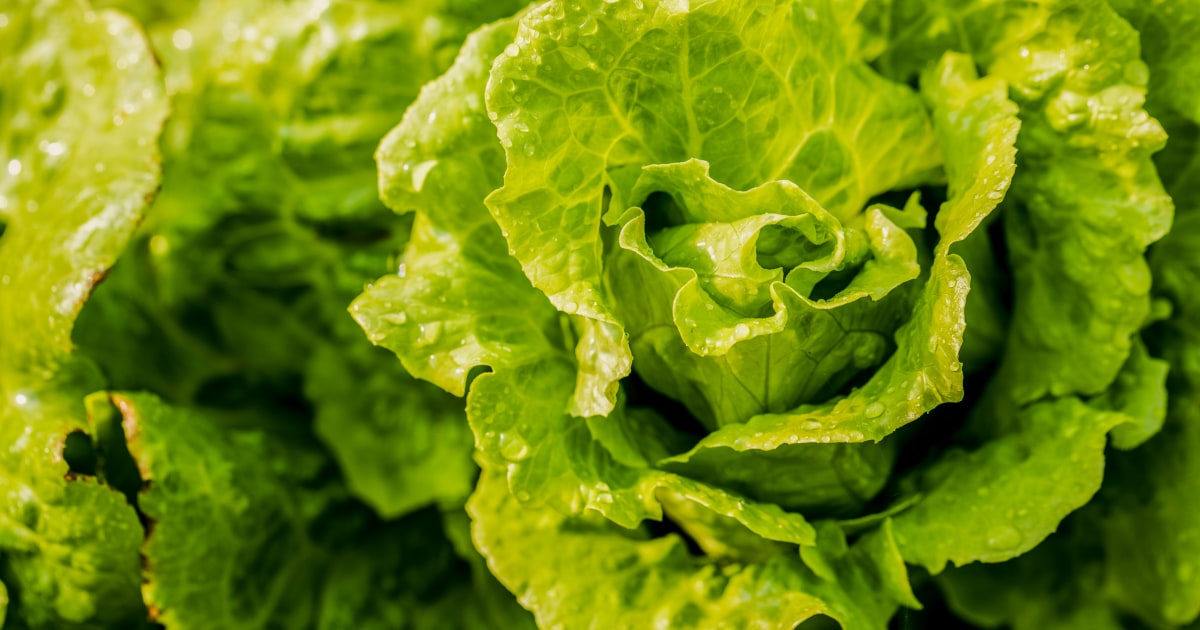
Health Secretary Robert F. Kennedy Jr. said Tuesday that the cyclosporiasis outbreak is under control, while federal and state investigators continue trying to determine why thousands of people in the United States became ill. The Food and Drug Administration has linked the outbreak to shredded iceberg lettuce from a Taylor Farms facility in central Mexico, according to NBC News.
Cyclosporiasis is an intestinal illness caused by the cyclospora parasite and is mainly associated with severe diarrhea, according to the FDA information cited by NBC News. The investigation remains complicated because the parasite can be hard to detect in food, and people may not become sick until weeks after eating a contaminated item.
What is causing the cyclosporiasis outbreak?
The FDA says its investigation has tied the outbreak to shredded iceberg lettuce from Taylor Farms, though agency leaders have described the evidence with different levels of certainty. Kennedy said officials had carried out “extensive forensics” and identified the outbreak’s source, while FDA Commissioner Kyle Diamantas told Fox News that the data “strongly supports” Taylor Farms as the responsible party.
Mexican Health Secretary David Kershenobich said Tuesday that Mexico’s investigation had not found evidence that the outbreak began there, NBC News reported. The Michigan Department of Health and Human Services has also said other foods have not been ruled out and that no specific type of produce, grower or supplier has been identified as the source.
Michigan had counted 6,571 cases as of Tuesday, according to the state health department. Diamantas said Monday that cases connected to the outbreak had been found as recently as last week, making it necessary to act so contaminated products do not reach consumers.
What did Taylor Farms recall?
Taylor Farms voluntarily recalled all iceberg lettuce grown and processed in central Mexico on Friday, describing the step as a precaution. The company has also stopped sourcing iceberg lettuce from central Mexico for the rest of the growing season, NBC News reported.
The recalled lettuce went to Taco Bell restaurants in Indiana, Kentucky, Michigan, Ohio and West Virginia. It was also supplied to some Walmart stores nationwide under the Marketside brand.
No samples from the Taylor Farms facility in Mexico have tested positive for cyclospora so far. The FDA reported one positive result over the weekend, but the agency later said it was a false positive after lab quality checks showed the result was an error.
Keith Schneider, a food safety professor at the University of Florida, told NBC News that investigators are likely testing more than lettuce. He said the FDA may also be examining irrigation water, soil and workers connected to the fields that supplied the product.
Why is cyclospora hard to trace?
Scientists need sensitive testing to find cyclospora in food, and the product that caused an illness may be gone by the time investigators know an outbreak is underway. For that reason, officials often rely on interviews with sick people about what they ate and when symptoms began.
Kennedy also defended federal surveillance after criticism that agencies had reduced active cyclospora monitoring through FoodNet, a CDC program used by states to understand foodborne illness patterns outside outbreak investigations. He said surveillance had not been cut overall and described the FoodNet reductions as eliminating redundant work.
Several state health departments told NBC News they still report cyclosporiasis cases to the CDC when local health departments or labs identify them. Barbara Kowalcyk, director of the Institute for Food Safety and Nutrition Security at George Washington University, said reduced active surveillance could make it harder to identify missed cases and understand outbreak trends over time.
This story draws on original reporting from NBC News.