
Bundibugyo Ebola vaccine trial gives first dose in Oxford
Oxford says the first volunteer has received its Bundibugyo Ebola vaccine as a deadly outbreak in DR Congo and Uganda spreads.
By Priya Raghavan · Science Reporter
3 min read
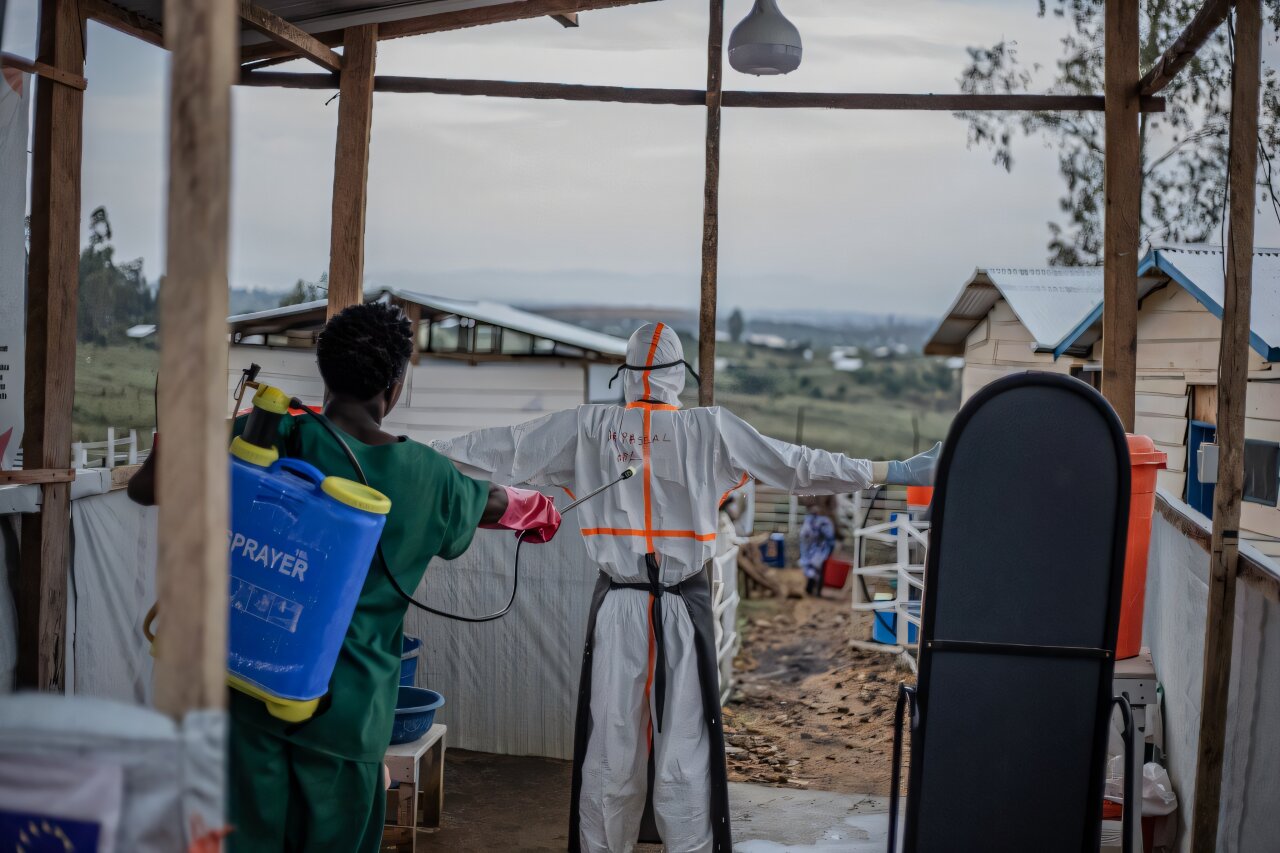
Oxford University said the first volunteer in its Bundibugyo Ebola vaccine trial received a dose Friday, moving a new shot into human testing during a deadly outbreak in central Africa. The World Health Organization says more than 1,000 people have died in the Democratic Republic of Congo and Uganda since the outbreak began in May.
The university said a 37-year-old volunteer, Ed Hunt, was vaccinated in Oxford with the first dose of ChAdOx1 BDBV, a vaccine candidate aimed at the Bundibugyo strain of Ebola. An Oxford spokesman told AFP that Hunt was the first person to receive the shot in the trial.
Researchers have been trying to move vaccines and treatments for the strain into clinical testing because there are no approved vaccines or treatments for Bundibugyo Ebola, according to AFP. Oxford announced earlier this month that it was starting the first trial of its candidate, which uses the same vaccine technology as AstraZeneca's COVID-19 shot, the university said.
What is the Bundibugyo Ebola vaccine trial?
Oxford said the study is a phase 1 trial designed to assess the safety and effectiveness of the vaccine candidate in 50 healthy adults over the coming weeks. A phase 1 trial is an early human study that tests a product in a small group before wider trials can be considered.
The university said researchers are still recruiting volunteers. If regulators approve the next steps, Oxford said its team is preparing further clinical studies with partners in Uganda.
David Pulido-Gomez of Oxford's Pandemic Sciences Institute said in a university statement that the vaccine candidate had moved “from concept to clinic in just eight weeks.” He said the speed reflected a broad collaborative effort.
The Coalition for Epidemic Preparedness Innovations funded the trial, according to Oxford. The university said the Serum Institute of India has already made a stockpile of 620,000 doses.
Why is this Ebola outbreak drawing urgency?
The outbreak is the 17th recorded in the DRC's history, AFP reported. It is only the third in the country caused by the Bundibugyo strain, a relatively rare form of Ebola, according to the report.
WHO Director-General Tedros Adhanom Ghebreyesus warned last week that, over the prior month, the outbreak had expanded faster than any previous Ebola outbreak, according to AFP. The outbreak has remained centered in the DRC's northeastern province, an area described by AFP as mineral-rich and affected by conflict.
AFP reported that Ebola cases have also been found in four other DRC provinces. The disease spreads through close contact and infected bodily fluids, according to the report.
Several other Bundibugyo vaccine candidates are being pushed toward clinical trials, AFP reported. Two possible treatments are also in development as researchers and health organizations try to respond to the outbreak.
This story draws on original reporting from Medical Xpress.