
Whey protein shortage squeezes snack makers as demand rises
High-protein food demand is lifting whey costs, forcing some snack brands to raise prices, reformulate products or absorb the hit.
By Hana Yoshida · Markets Reporter
3 min read
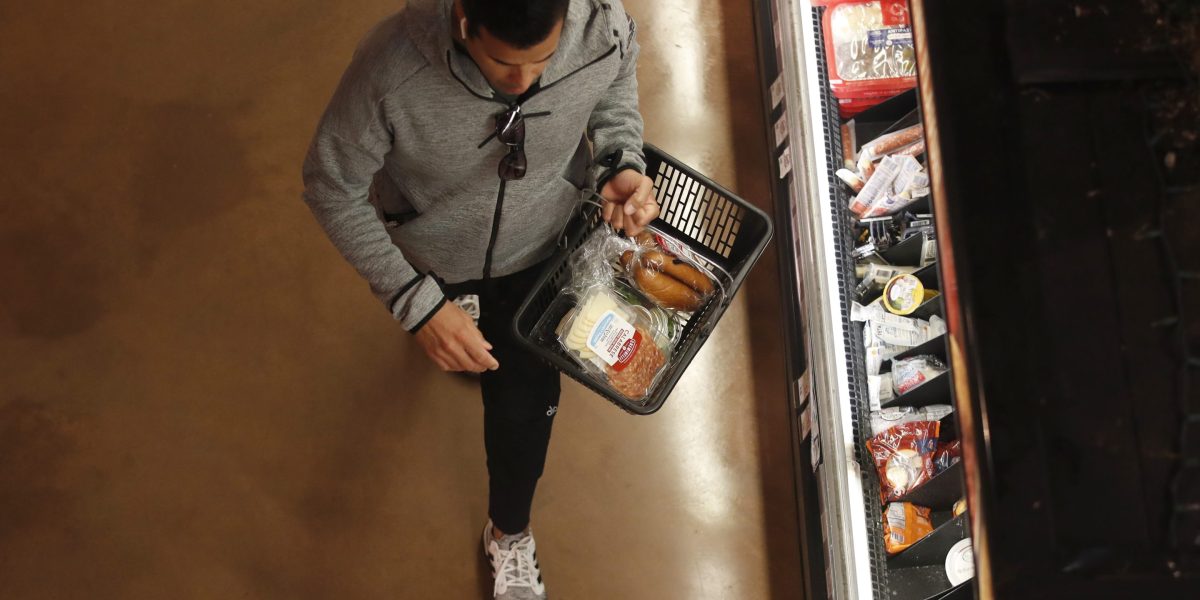
A surge in high-protein eating is straining supplies of whey, a key ingredient in many bars, mixes and other snacks. Fortune reported that the shortage is pushing up costs for food companies and could soon show up more clearly in grocery prices and product recipes.
David Protein founder and CEO Peter Rahal told Fortune that the whey used in his company’s bars cost $7 a pound when the brand launched in late 2024. He said the price has since climbed to $12 a pound.
The demand is tied to the broader popularity of “proteinmaxxing,” the push to add more protein to daily diets. Fortune reported that protein has moved well beyond powders and gym-focused bars into cereals, pasta, popcorn and other packaged foods.
Why whey is under pressure
Whey is created during cheesemaking, which limits how quickly supply can expand. Kathleen Wolfley, vice president at agriculture consultancy Ever.Ag Insights, told Fortune that demand has increased sharply in recent years, with wellness trends and protein-heavy eating playing a major role.
Fortune also pointed to rising use of GLP-1 weight-loss drugs, which can reduce appetite and lead users to prioritize nutrient-dense foods, including protein, to help preserve muscle. PwC has estimated that about 10% of the U.S. population has used a GLP-1 drug. The Department of Health and Human Services has also revised dietary guidance to put more emphasis on protein-rich foods including red meat and full-fat dairy, according to Fortune.
For many snack companies, whey is difficult to replace. Rahal told Fortune that whey delivers better taste and texture than milk or plant-based isolates, a major issue for products such as protein bars that can become dry or chalky.
U.S. Department of Agriculture data cited by Fortune showed that high-protein whey concentrate prices rose 40% over the past few months. Fortune reported that some suppliers have sold through their available product.
Small brands face hard choices
HelloAmino, a Canadian maker of gluten-free cake and beverage mixes, ran into the shortage when its supplier put whey on a five-week backorder and then stopped supplying the company, founder Aelie Swift told Fortune. A substitute ingredient from another supplier changed the performance of the company’s mixes, leaving at least one pancake product dry and unusable, she said.
Swift told Fortune that HelloAmino spent months adjusting recipes, including testing different protein isolates and reducing protein in some items. The company also discarded some inventory.
HelloAmino has raised prices by about 10% while still taking on part of the higher whey cost, Swift told Fortune. She said consumers have not yet felt the full effect because retail pricing often lags ingredient cost increases.
Swift also told Fortune that large companies can put more pressure on the market when they enter protein-heavy categories. She cited Starbucks’ launch of protein beverages late last year as an example of a large buyer affecting supply, though Fortune reported that Starbucks did not respond to a request for comment.
More supply is not simple
Wolfley told Fortune that companies are investing in cheese production and whey capacity. But because whey comes from cheese production, output is tied to cheese demand, which the USDA Economic Research Service says is rising but expected to slow as consumer preferences shift and inflation weighs on shoppers.
The shortage leaves brands with limited options: pay more, raise prices, change formulas or drop products. Rahal told Fortune that David Protein has chosen to keep its product unchanged and absorb the higher cost, arguing that recipe changes could hurt the quality that attracts customers.
This story draws on original reporting from Fortune.