
Vietnam puts culture at center of its next export push
Government policy and a young creator class are pushing Vietnam to treat culture as an economic sector, Fortune reported.
By Maya Lindqvist · Senior Technology Correspondent
3 min read
Vietnam is trying to make culture a larger part of its economy, with government policy and private entertainment companies pushing creative work toward export markets, Fortune reported. The effort carries economic weight because the country is looking for ways to build value beyond a model long tied to manufacturing and export production.
Fortune pointed to a recent pop-culture moment involving Justin Bieber as one sign of Vietnam’s growing visibility. When Bieber performed at Coachella in April in his first concert in four years, Vietnamese social media users paid attention not only to the show but also to his “Puffa shorts” from Lu’u Dan, an Asian-influenced label founded by Vietnamese American designer Hung La, according to Fortune.
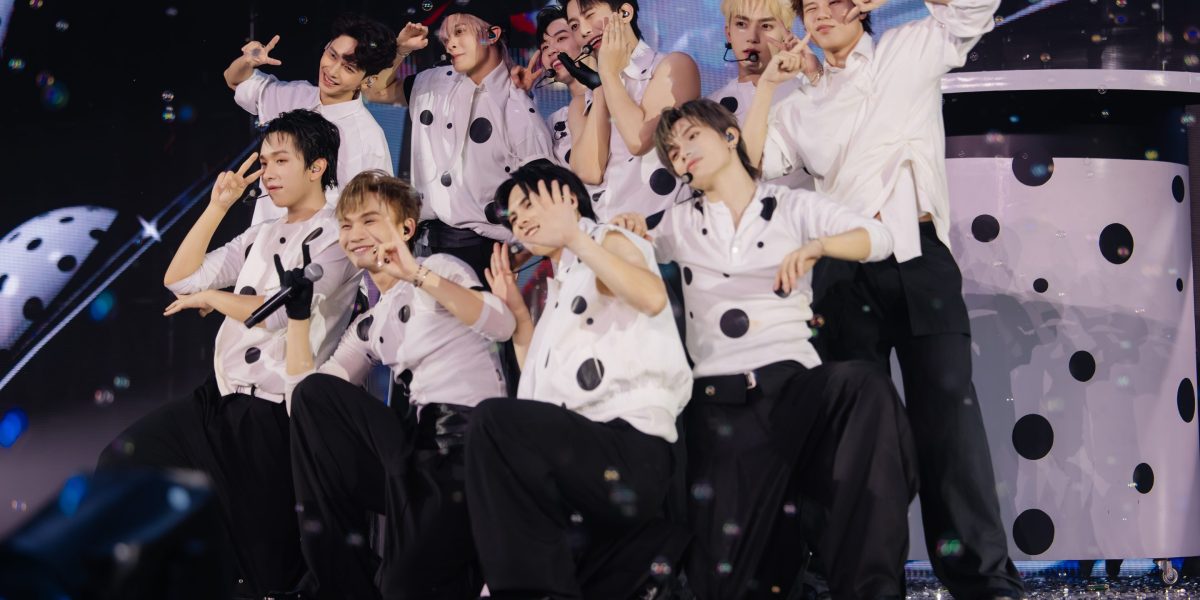
The same shift is playing out in music and media, Fortune reported. The V-pop boy band UPRIZE is seeking an international debut, while companies that manage Vietnamese talent hope creative products can follow the country’s broader export playbook.
Policy push from Hanoi
Vietnam’s cultural sector is being shaped from above and below, according to Fortune: the government has elevated culture as a policy priority, while younger creators are benefiting from rising consumer spending and inexpensive internet access. Fortune reported that Vietnam’s export-dependent economy is starting to use intellectual property as one way to climb into higher-value activity.
Last year’s Resolution 68 described the private sector as Vietnam’s “most important driving force,” Fortune reported. The measure is closely associated with commentary around Communist Party General Secretary To Lam’s reform program, often called Doi Moi 2.0 in reference to Vietnam’s 1980s economic opening, according to Fortune.
Another policy measure, Resolution 80, may have particular importance for the cultural economy, Fortune reported. Passed in January, it set culture alongside the economy, society and the environment as a core pillar of sustainable development, according to Fortune.
Duc Khuong Nguyen, a senior fellow at the University of Cambridge’s Department of Land Economy and an adviser to Vietnam’s government, told Fortune that the resolution stresses cultural industries as part of national economic development. Nguyen said Hanoi has long used culture to promote patriotism and help connect Vietnam’s 54 ethnic groups, but that treating culture as a business is a more recent development.
Targets and new platforms
Vietnam’s government wants the cultural economy to expand by 10% annually and account for 7% of GDP by 2030, Fortune reported. Those goals put a measurable target behind a sector that officials now see as part of the country’s development strategy.
Over the past 12 months, To Lam’s government has announced several culture-focused initiatives, according to Fortune. They include a new public holiday dedicated to culture, Vietnam’s first national presentation at the Venice Biennale and Vietnam Today, an English-language state-owned broadcaster modeled on China’s CGTN.
The emerging strategy links state ambition with private-sector entertainment and design, Fortune reported. If the push succeeds, Vietnam’s cultural products could become a more visible part of the country’s presence abroad, alongside the goods it already ships to global markets.
This story draws on original reporting from Fortune.