
Vance heads to Switzerland as Iran talks run into Hormuz dispute
U.S. and Iranian negotiators are due to work on an interim deal as Tehran links the Strait of Hormuz to fighting in Lebanon.
By Daniel Okafor · Business Editor
4 min read
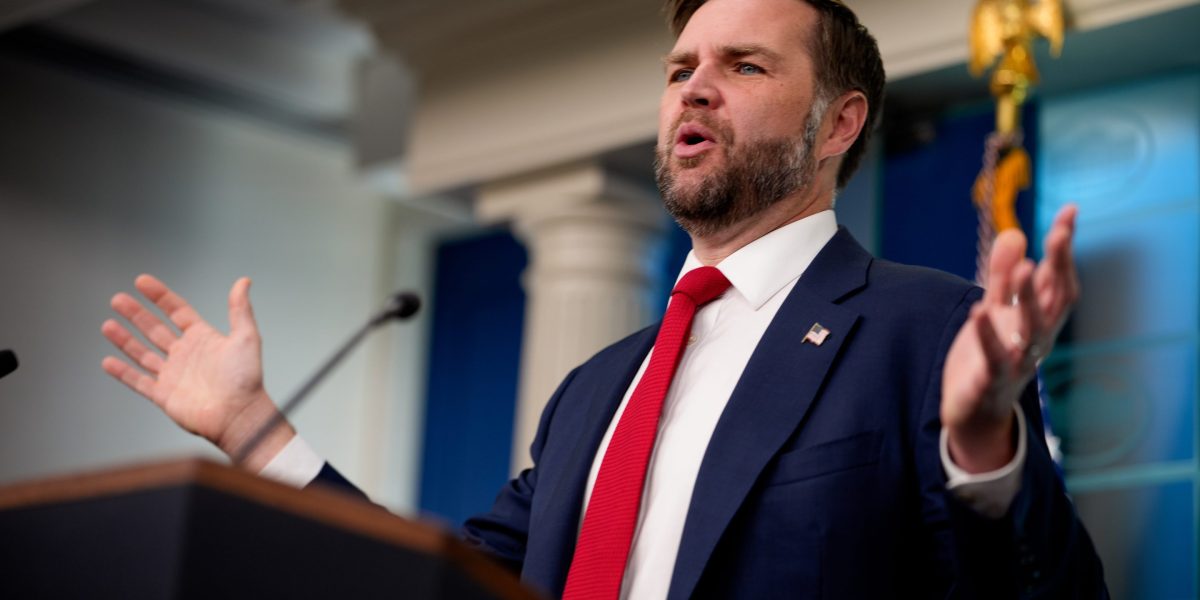
Vice President JD Vance left for Switzerland on Saturday as U.S. and Iranian officials prepared for talks aimed at turning an interim war-halting agreement into a more detailed deal, the Associated Press reported. The diplomacy faces an early test after Tehran said it had closed the Strait of Hormuz over Israeli attacks in Lebanon.
Vance told reporters he expected to stay in Switzerland “for a day or two” and said he was optimistic about progress on Iran’s nuclear program and a ceasefire in southern Lebanon, according to the AP. He also said Jared Kushner and Steve Witkoff, top U.S. negotiators, were already in Switzerland.
Iranian state TV showed Iran’s negotiating team arriving in Switzerland, the AP reported. The delegation is led by parliamentary Speaker Mohammad Bagher Qalibaf and includes Foreign Minister Abbas Araghchi, along with central bank and oil officials. The interim agreement includes the unfreezing of billions of dollars in Iranian assets, according to the AP.
Pakistan, a key mediator, said technical-level talks would begin Sunday, with Qatari mediators also taking part, the AP reported. Pakistan’s Prime Minister Shehbaz Sharif and army chief Field Marshal Asim Munir also left for Switzerland late Saturday.
Hormuz dispute complicates talks
The talks had been expected to start Friday, but Iran canceled its attendance as fighting escalated in Lebanon, the AP reported. U.S. and regional officials told the AP that negotiators for the United States and Qatar, with help from Iran, worked out an understanding between Israel and Hezbollah to reduce hostilities; the officials spoke on condition of anonymity because they were not authorized to comment publicly.
Iran’s joint military command said the Strait of Hormuz was closed because the United States had failed to end the war, calling that a breach of its commitments, according to the AP. The interim deal is intended to stop fighting on all fronts, including in Lebanon.
U.S. Central Command disputed Tehran’s claim. Capt. Tim Hawkins, a CENTCOM spokesperson, said Iran does not control the strait, that traffic was still moving, and that U.S. forces were watching the situation. The U.S. military said 55 merchant vessels crossed the waterway Saturday carrying more than 17 million barrels of oil, according to the AP.
President Donald Trump threatened to impose U.S. tolls in the strait if a final deal with Iran is not reached within 60 days, the AP reported. The interim agreement allows toll-free travel for 60 days and gives negotiators that period to reach a nuclear accord, though the timeline can be extended.
Lebanon fighting continues
Iranian Foreign Ministry spokesperson Esmail Baghaei told state TV that negotiations toward a final agreement would begin once key commitments are honored, the AP reported. He said the memorandum of understanding would be at risk if those commitments are not met.
A Hezbollah official told the AP that Iran had informed the group it would not reopen the strait until Israel publicly commits to a comprehensive ceasefire in Lebanon and ends military operations there. The official, who was not authorized to speak publicly, said Hezbollah would accept a ceasefire if Israel does.
An Israeli military official told the AP that the military had received updated political instructions to cease fire and was operating defensively in Lebanon, while reserving the right to respond to Hezbollah attacks. The official also said five Israeli soldiers had been killed in southern Lebanon over the previous 48 hours.
Lebanon’s National News Agency said Israeli strikes in southern Lebanon on Saturday killed at least 16 people, including two children, and left seven people trapped under rubble in Nabatiyeh and nearby villages, the AP reported. Lebanon’s health ministry later said the death toll in the latest Israel-Hezbollah war had passed 4,000.
Israel and Hezbollah are not parties to the U.S.-Iran agreement, the AP reported. A new round of U.S.-backed talks between Lebanon’s government and Israel is expected in Washington next week.
This story draws on original reporting from Fortune.