
U.S. strikes Iranian targets as Hormuz fighting spreads
The attacks followed an Iranian strike on a container ship and raised pressure on talks over the Strait of Hormuz, a key energy route.
By Hana Yoshida · Markets Reporter
4 min read
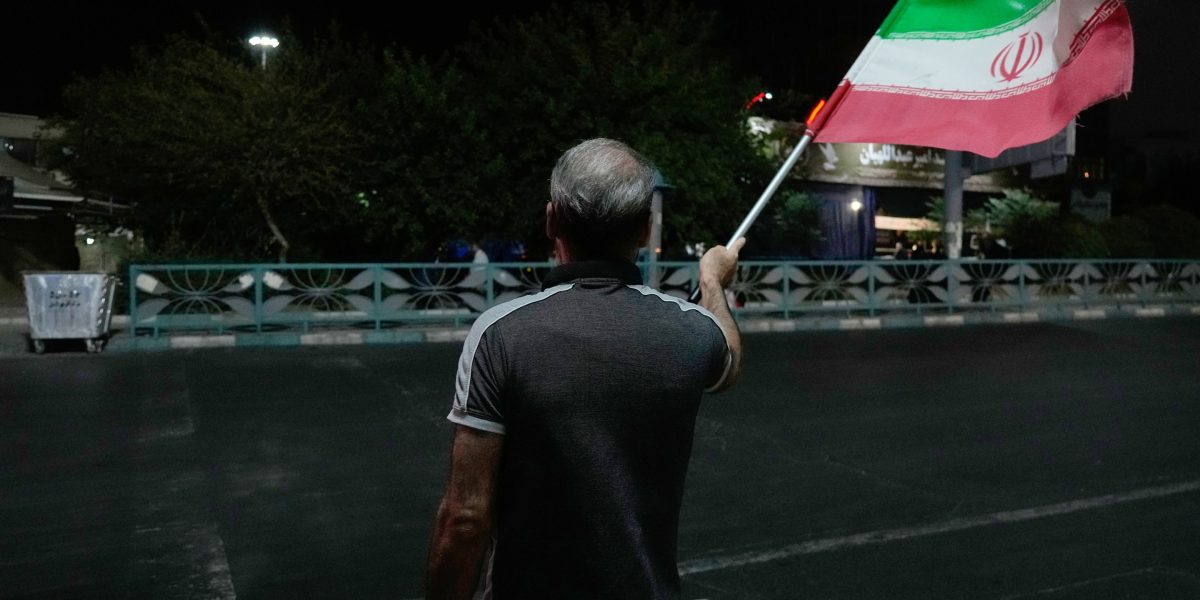
The U.S. military struck roughly 140 Iranian targets early Sunday after Washington said Iran hit a container ship in the Strait of Hormuz, according to U.S. Central Command and the Associated Press. The exchange widened fighting around one of the world’s most important energy routes and added new strain to an interim U.S.-Iran deal aimed at ending the war.
Central Command said the U.S. strikes hit missile and drone launch sites, ammunition depots, communications equipment and other military locations. The command said the operation was intended to reduce Iran’s ability to threaten ships moving through the strait.
President Donald Trump described the strikes in an interview with NBC’s “Meet the Press,” saying, “We bombed the hell out of them last night.” Semiofficial Iranian news agencies said a navy officer was killed.
Iran answered with attacks on countries in the region that host U.S. forces, the Associated Press reported. Targets included Bahrain, Kuwait, Qatar, Jordan and Oman, according to reports from those governments and state agencies cited by the AP.
Ship attack set off latest round
Central Command said a Cyprus-flagged container ship suffered significant damage in its engine room after Iran struck it in the Strait of Hormuz. Oman’s maritime authority said it rescued 23 crew members, while one person remained missing.
India’s Ministry of External Affairs said the missing crew member is an Indian national and that it was working with Oman to find him. The United Kingdom Maritime Trade Operations center, which is overseen by the British military, said the ship had been traveling close to Oman’s shoreline.
Iran’s paramilitary Revolutionary Guard said several vessels had ignored its warnings and failed to use what it called an approved route, according to Iranian state media. The Guard said one ship was hit by a warning shot and stopped.
The United States has carried out three rounds of airstrikes against Iran in the past week in response to Iranian attacks on ships using a route off Oman to avoid Iranian territorial waters, the Associated Press reported.
Gulf states report missile alerts
Qatar’s military said it intercepted incoming Iranian fire, and Qatar’s Interior Ministry said three people, including a child, were wounded by shrapnel from intercepted attacks. The ministry did not give further details on their conditions.
Bahrain, home to the U.S. Navy’s 5th Fleet, sounded missile alerts, according to the AP. Kuwait’s military said it was intercepting incoming fire.
Oman’s state news agency said drones struck sites in an area along the Strait of Hormuz and that authorities issued a shelter-in-place warning for residents. Oman summoned Iran’s ambassador to protest the strikes and called Iran’s actions “irresponsible,” according to the Omani state news agency.
Jordan’s state news agency said three Iranian missiles hit areas in Jordan, causing minor damage but no injuries. The United Arab Emirates said sirens sounded but missiles did not enter its territory, according to the AP.
Talks over Hormuz under pressure
The fighting has raised doubts about the interim agreement Iran and the United States reached on June 17, the Associated Press reported. The 60-day period was meant to support negotiations on a permanent end to the war, and its midpoint arrives this week.
The Strait of Hormuz, which lies in both Iranian and Omani territorial waters and has long been treated as an international waterway, remains the main dispute in the talks, according to the AP. Before the war, about one-fifth of traded oil and natural gas moved through the strait.
The U.S. military and Trump said the strait remained open Sunday. Iran said it was closed until calm returns and warned it could target additional enemy bases in the region if attacked again, according to the AP.
Oman said Saturday that it and Iran would keep discussing the strait at technical and political levels. A regional official involved in mediation told the AP, on condition of anonymity, that Pakistan, Qatar and Egypt continued efforts Sunday to support the ceasefire.
Iran’s Supreme Leader Ayatollah Mojtaba Khamenei, who has not appeared publicly since the war began, said in a statement carried by state television that Iranians would avenge the killing of his father, Ayatollah Ali Khamenei, in the war’s opening strikes on Feb. 28. He said that revenge “is the will of our nation and must certainly be carried out.”
This story draws on original reporting from Fortune.