
U.S. hits Iranian targets as Strait of Hormuz clashes widen
Central Command said U.S. forces struck 300 Iranian targets in a week as fighting over the Strait of Hormuz intensified.
By Maya Lindqvist · Senior Technology Correspondent
3 min read
U.S. forces struck 300 Iranian targets over the past week as clashes with Iran around the Strait of Hormuz intensified, according to U.S. Central Command. The fighting matters because the waterway is a critical route for global oil shipments and remains contested despite a recent ceasefire understanding.
Central Command said U.S. strikes were aimed at reducing Iran’s ability to attack commercial ships moving through the strait. The largest round came late Saturday, when about 140 Iranian military targets were hit, including missile and drone sites, naval assets, ammunition stores, communications networks and coastal surveillance positions, the command said.
Fortune reported that the latest fighting followed Iranian attacks on commercial vessels and came as the U.S. defended a route that runs along the Omani coast. Iran has also attacked countries in the region, including Bahrain, Kuwait, Qatar, Jordan and Oman, in what Fortune described as the most extensive fighting since April.
Tehran has said the Strait of Hormuz is closed again, but Central Command rejected that claim on Sunday. “Iran does not control the strait. Traffic is flowing,” the command said, adding that U.S. forces were prepared to keep freedom of navigation available despite Iranian aggression and threats.
Since early May, U.S. forces have helped more than 800 commercial ships and 400 million barrels of crude oil pass through the strait, according to Central Command. Iran, meanwhile, has argued that a memorandum of understanding signed with the U.S. last month gives it authority to regulate shipping traffic, Fortune reported.
Fortune reported that Iran has attacked vessels that avoid a Tehran-backed corridor along the Iranian coast. Ship-tracking data cited by Fortune showed crossings on the U.S.-protected route along Oman’s coast fell after the latest Iranian attacks.
The standoff has exposed limits on both sides. Fortune reported that Iran has not been able to stop U.S. retaliatory airstrikes, while the U.S. has not fully reopened the strait by force, protected every ship or stopped Tehran from firing more drones and missiles.
Sal Mercogliano, a Campbell University professor who studies military and maritime history, said on YouTube that ambiguity in the memorandum of understanding had worsened the situation. He called the ceasefire arrangement a “facade” and warned that “an undeclared naval war can escalate.”
Mercogliano compared the current fighting with the 1980s tanker war, when the U.S. Navy protected commercial ships from Iran. He said that earlier conflict set off a long period of U.S. involvement in the Middle East.
Diplomats are looking at ways to keep ships moving without a full agreement between Washington and Tehran. Fortune reported that Oman drafted a proposal for two separately controlled routes: a southern corridor through Omani waters and a northern corridor through Iranian waters.
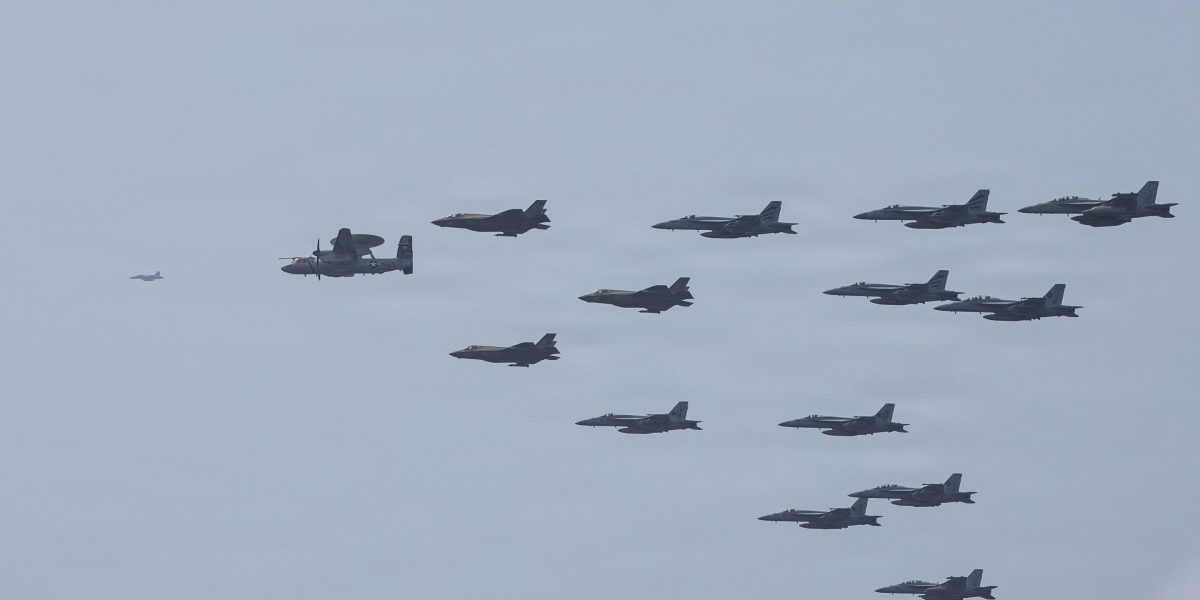
The U.S. military presence in the region remains large. Central Command said this week that 20 Navy warships are patrolling Middle Eastern waters, and it said U.S. warships and aircraft moved through the Arabian Sea in close formation last month.
President Donald Trump has signaled caution about restarting a full war, Fortune reported, but has said he would consider restoring a naval blockade. Fortune reported that the earlier blockade, in place from mid-April to mid-June, redirected 139 ships and disabled nine.
The blockade cut into Iranian oil revenue, according to Fortune. Senior Iranian officials told The New York Times that President Masoud Pezeshkian warned the blockade was crippling the economy and that he would resign if a ceasefire deal was not approved; the Times also reported that Iran’s central bank chief warned of a severe budget crisis and possible shortages of food and medical supplies by late August if the blockade continued.
This story draws on original reporting from Fortune.