
Unpublished Iran deal draws scrutiny over U.S. concessions
The White House defended Trump’s Iran agreement as critics questioned reported terms affecting U.S. forces, Hormuz and Tehran’s nuclear program.
By Maya Lindqvist · Senior Technology Correspondent
3 min read
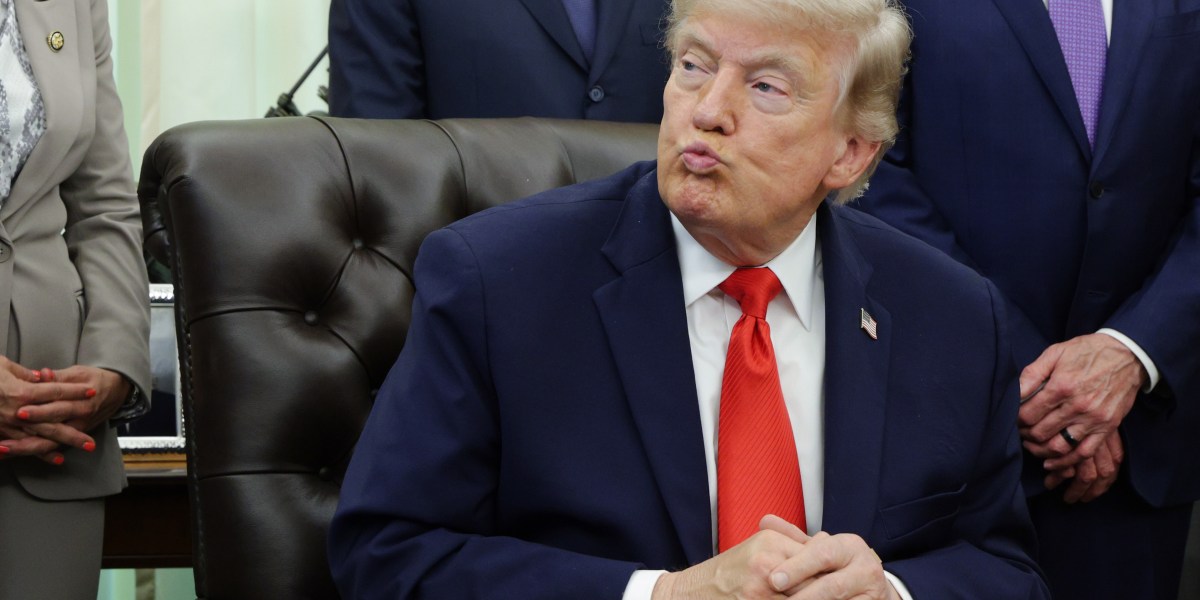
President Donald Trump’s agreement with Iran remains under scrutiny because the memorandum of understanding has not been made public, leaving analysts and markets to judge the deal through official comments and media reports. The debate matters for energy markets and Gulf security because the reported terms touch U.S. military presence, the Strait of Hormuz and Iran’s nuclear program.
Fortune reported that the White House spent the previous 24 hours defending the agreement against criticism that it delivers several priorities sought by Tehran. Those reported elements include a pullback of U.S. forces from the region, Iranian control over the Strait of Hormuz, the ability to charge vessels using the waterway, a $300 billion investment fund and the survival of Iran’s current government.
The Financial Times framed the political fight as a challenge for Trump, reporting that he was battling claims the agreement was worse than the Iran deal reached under former President Barack Obama. The memorandum itself has not been published, according to Fortune, limiting outside scrutiny of its exact terms.
Shipping remains constrained
CNBC reported that Iran moved three of its own ships out of the Strait of Hormuz this week with 5 million barrels of oil aboard. Fortune reported that most other shipping through the area remained halted.
The Strait of Hormuz is central to the criticism because it is a major energy transit route and a point of leverage for Iran. Bloomberg columnist John Authers argued that the outcome could encourage countries with control over key trade chokepoints to use that position more aggressively.
Authers wrote that China’s leverage over rare earths and Iran’s position at Hormuz had both produced U.S. retreats within a 12-month span. He also said trade costs would keep rising, likely including tolls for using the strait, while countries try to reduce reliance on exposed supply routes.
Nuclear talks remain part of the deal
Fortune reported that the memorandum includes talks over Iran’s nuclear program. Vice President JD Vance, quoted by the Financial Times, said “the Iranian nuclear programme has been completely destroyed,” and that Iran would gain benefits if it made a long-term commitment not to rebuild it.
Critics cited by Bloomberg focused less on the nuclear language than on what they saw as a reduced U.S. willingness to use force if Iran violates the agreement. Tina Fordham of Fordham Global Foresight told Bloomberg that the terms suggest Washington would lack a credible military threat behind the diplomacy.
Fordham said Tehran would understand that the United States would not want to restart hostilities before the November midterm elections. Authers described the longer-term implications as severe and questioned what the U.S. had achieved from the episode.
Markets were mixed as the deal was debated. Fortune reported that Brent crude traded at $78 a barrel in the morning, down from $81 the previous day, while S&P 500 futures were slightly higher and European markets were split in early trading.
Axios separately examined the billions Iran could receive under Trump’s agreement, according to Fortune. With the memorandum still absent from public view, the immediate fight remains centered on whether the deal reduces conflict risk or hands Tehran durable economic and strategic gains.
This story draws on original reporting from Fortune.