
Trump-Iran memo leaves nuclear limits for later negotiations
The agreement says Iran will not build nuclear weapons, but key limits on uranium and inspections remain unresolved pending a final deal.
By Hana Yoshida · Markets Reporter
3 min read
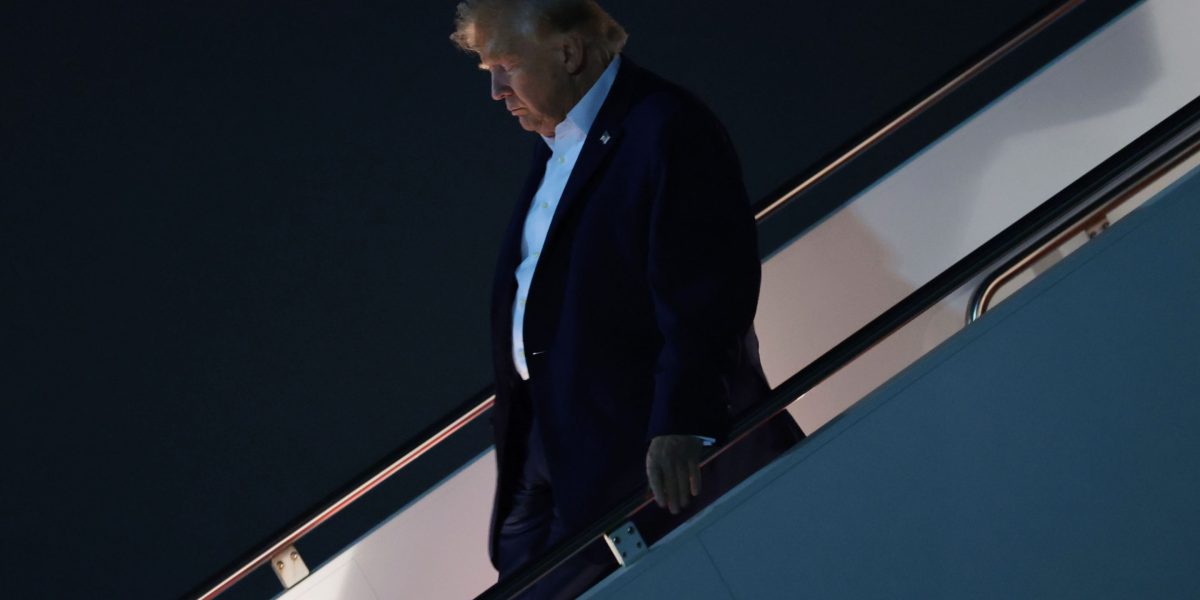
President Donald Trump has signed a memorandum of understanding with Iran meant to end the war, but the document leaves the main nuclear restrictions to later negotiations, Fortune reported. The gap matters because Iran’s uranium stockpile and the lack of international access to its nuclear sites remain central issues in assessing how close Tehran could move toward a weapon.
The agreement says Iran will not develop nuclear arms, according to Fortune. It also says Iran will keep the “current status quo” of its nuclear program while the United States and Iran work toward a final technical agreement.
Andrea Stricker, a national security expert focused on nuclear weapons at the Foundation for Defense of Democracies, told Fortune that negotiators appeared to be trying to freeze Iran’s program where it is. She said the problem is that the existing situation is weak because inspectors still lack access that she said should have been restored in the memorandum itself.
Iran has blocked the International Atomic Energy Agency from accessing its nuclear facilities since its 12-day war with the United States and Israel last June, Fortune reported, citing PBS. As a result, the U.N. nuclear watchdog has not been able to verify the size of Iran’s uranium stockpile for about a year.
IAEA Director General Rafael Grossi told reporters Thursday that progress in pushing Iran farther from a nuclear weapon depends on “the political will of both sides,” according to a press briefing video cited by Fortune. Grossi said the agency’s next steps would depend on the final technical agreement and cautioned against getting ahead of the facts.
The IAEA Board of Governors has formally found Iran out of compliance with its nuclear safeguards obligations twice, according to IAEA documents cited by Fortune. The first finding came in 2005 over past concealment and breaches, and the second came in 2025 over Iran’s failure to cooperate on undeclared nuclear material and activities dating back to 2019.
The memorandum commits the United States to ending IAEA Board resolutions as part of a final deal, Fortune reported. That would not take effect immediately, but Stricker told Fortune the language points toward closing the file on unresolved IAEA issues and avoiding further board action.
On uranium, the memorandum says Iran will at least downblend uranium on site under IAEA supervision, according to Fortune. IAEA reporting cited by Fortune lists Iran as holding 440.9 kilograms of uranium enriched to 60%, while Al Jazeera reported that weapons-grade uranium is generally considered 90% or higher.
Stricker told Fortune that downblending can be reversed and questioned why the agreement would use that step if the goal were to remove or destroy the material. She said the final deal would need tougher requirements, including a full disclosure of Iran’s nuclear materials, or it would have little value.
The first Trump administration withdrew from the 2015 Iran nuclear agreement reached under President Barack Obama, Fortune noted. Trump now has 60 days to reach a final agreement with Iran, with an extension possible if both sides agree.
This story draws on original reporting from Fortune.