
Trump’s $2.2 billion income draws new ethics scrutiny
A new financial disclosure cited by Fortune shows income tied to crypto, stock trading and other assets while critics raise conflict concerns.
By Sofia Marchetti · World Affairs Correspondent
3 min read
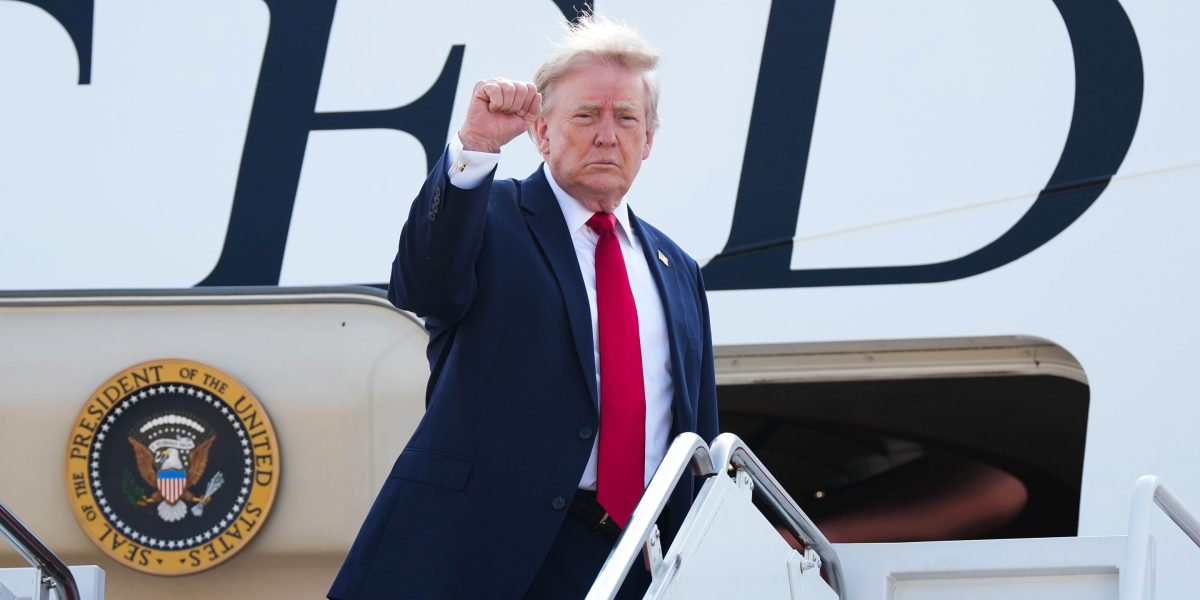
President Donald Trump made $2.2 billion last year, a figure Fortune’s Diane Brady reported was higher than any annual total he recorded as a corporate chief executive. The new disclosure adds fresh detail to how Trump’s wealth has grown during his presidency and why critics are focusing on conflicts tied to his family business, investments and gifts.
Fortune reported that Trump’s latest financial filing runs 927 pages and includes income connected to cryptocurrency ventures, active stock trading, a Screen Actors Guild pension of $77,808 and a $250,000 sculpture from a longtime chief executive supporter. The filing was released through the Office of Government Ethics, according to Fortune.
The amount Trump will pay in taxes on the reported earnings is not public, Fortune reported. Brady wrote that Trump has refused to release his tax returns and secured what Fortune described as an unprecedented tax immunity agreement after dropping a $10 billion lawsuit against the IRS.
Trump’s sons run the family business, control the trust that holds his assets and have started profitable ventures using his name, Fortune reported. The White House and Trump’s sons have repeatedly said there is no conflict of interest, according to Fortune.
One flashpoint is a Boeing 747 given by Qatar for use as Air Force One. Fortune reported that the aircraft, valued at $400 million, took its first flight in that role on July 1 after Trump accepted it as a gift to taxpayers and then used at least that much in taxpayer money to upgrade it into what he called “the world’s most luxurious plane.”
Fortune reported that the gift was deemed legal. The publication also cited multiple polls showing voters saw ethical problems with accepting the aircraft, and said several prominent Republican members of Congress criticized the arrangement.
Trump’s investment activity has also drawn attention. Fortune reported that his investment managers bought and sold company shares an average of 58 times a day during the first quarter. Some analysts told Fortune that such volume can be routine for tax-focused direct indexing, while others questioned the timing of some trades.
Fortune cited a Sludge analysis finding 327 individual stock purchases the day before Trump announced a 90-day pause on tariffs. Fortune reported that the tariff pause helped trigger a market rally that Trump later credited to his own actions.
The political cost is harder to measure. Fortune reported that some chief executives support the Trump administration’s approach to technology, regulation and taxes, but many privately say they do not trust him. Brady also cited a Fox News poll showing trust in the federal government at a two-decade low and a Pew Research Center survey of 36 countries finding negative views of Trump and doubts about U.S. reliability.
Jeffrey Sonnenfeld, a Yale School of Management professor and founder of the Yale Chief Executive Leadership Institute, told Fortune that Trump’s willingness to profit while in office is hurting his credibility and standing with supporters. Sonnenfeld said Trump appears more concerned with pride and public ridicule than with enjoying wealth itself.
Trump, speaking to reporters, defended the gains in blunt terms, according to Fortune: “I’m profiting. We’re all profiting. Thank you President Trump!”
This story draws on original reporting from Fortune.