
Toy Story 5 opens to a franchise record as Pixar’s origin story resurfaces
The sequel’s $312 million global debut put a fresh spotlight on Steve Jobs’ risky Pixar investment and Disney’s long-running animation franchise.
By Maya Lindqvist · Senior Technology Correspondent
3 min read
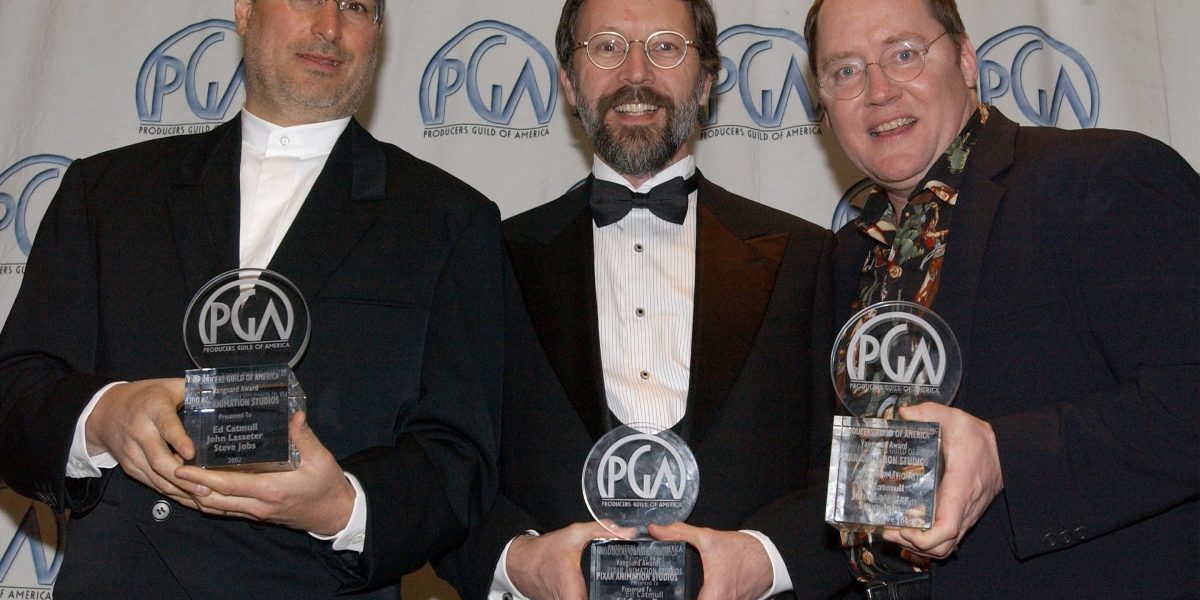
Toy Story 5 delivered the biggest opening weekend in the franchise’s history, taking in $312 million, Fortune reported. The debut highlights the continuing value of Pixar, the animation studio Steve Jobs bought after leaving Apple and later sold to Disney.
Variety reported that the new film topped the $238 million opening for Toy Story 4 in 2019. According to Fortune, the sequel follows Woody and Buzz Lightyear as they compete with a new tablet for Bonnie’s attention.
The film has already brought in more than its $250 million production budget, according to The New York Times. The Times also reported that Disney spent another $100 million on marketing, meaning the film had not yet reached profitability despite its strong start.
Pixar’s long return on one early bet
Fortune reported that the Toy Story franchise has generated $16 billion in revenue for Disney since the first movie arrived in 1995. That total includes box office receipts as well as consumer products, games and publishing tied to the films.
Disney acquired Pixar in 2006, but the studio’s rise began two decades earlier with Jobs. Walter Isaacson wrote in his biography of Jobs that the Apple cofounder looked for new projects after being pushed out of Apple in 1985 and became interested in the computer animation unit inside George Lucas’ Lucasfilm.
According to Isaacson, the group was building tools for digital image rendering while also making animated shorts under John Lasseter, who later became a top creative executive at Pixar and Walt Disney Animation Studios. Lucas was seeking a buyer while going through a divorce, and Ed Catmull, later Pixar’s president, approached Jobs about financing the company.
Jobs bought the division from Lucasfilm for $5 million and put another $5 million into the business, Isaacson wrote. The deal gave Jobs 70% of the company that became Pixar, with employees holding the rest.
Jobs initially saw Pixar’s future in hardware, Fortune reported. The company released the Pixar Image Computer in 1986, and the product found some use in fields including medicine, where it could render CAT scan data.
That same year, Pixar’s short film Luxo Jr. earned an Academy Award nomination, a turning point in Jobs’ view of the studio’s prospects, according to Isaacson. By 1990, Jobs had sold Pixar’s hardware business to Vicom Systems for $2 million, Fortune reported.
Disney partnership changed Pixar’s trajectory
Pixar still struggled financially, and Fortune reported that Jobs put in his own money more than once to keep it operating. The company also weighed possible sales to buyers including Microsoft and Hallmark, according to Fortune.
Disney had already been using Pixar technology to update its animation operations, Fortune reported. In 1991, the companies agreed to collaborate on Lasseter’s pitch for Toy Story.
The production hit trouble when Disney halted work after story changes made the film edgier, according to Fortune. Jobs continued funding the effort and supported Pixar through revisions.
Toy Story became the first full-length computer-animated feature in 1995 and earned about $400 million, more than 12 times its production budget, Fortune reported. Pixar went public shortly after the release; its shares closed their first trading day at $39 after an expected debut range of $12 to $14, making Jobs a billionaire on paper, according to Fortune.
Jobs returned to Apple in 1997, but Fortune reported that Pixar was the asset that first put him into billionaire territory. When Disney bought Pixar for $7.4 billion in stock in 2006, Jobs’ shares were worth about $4.6 billion, giving him a 7% stake and making him Disney’s largest individual shareholder at the time.
This story draws on original reporting from Fortune.