
TIAA chief says CEOs should treat titles as temporary
Thasunda Brown Duckett told Fortune that leaders should build an identity rooted in character, not the authority of a corporate role.
By Maya Lindqvist · Senior Technology Correspondent
3 min read
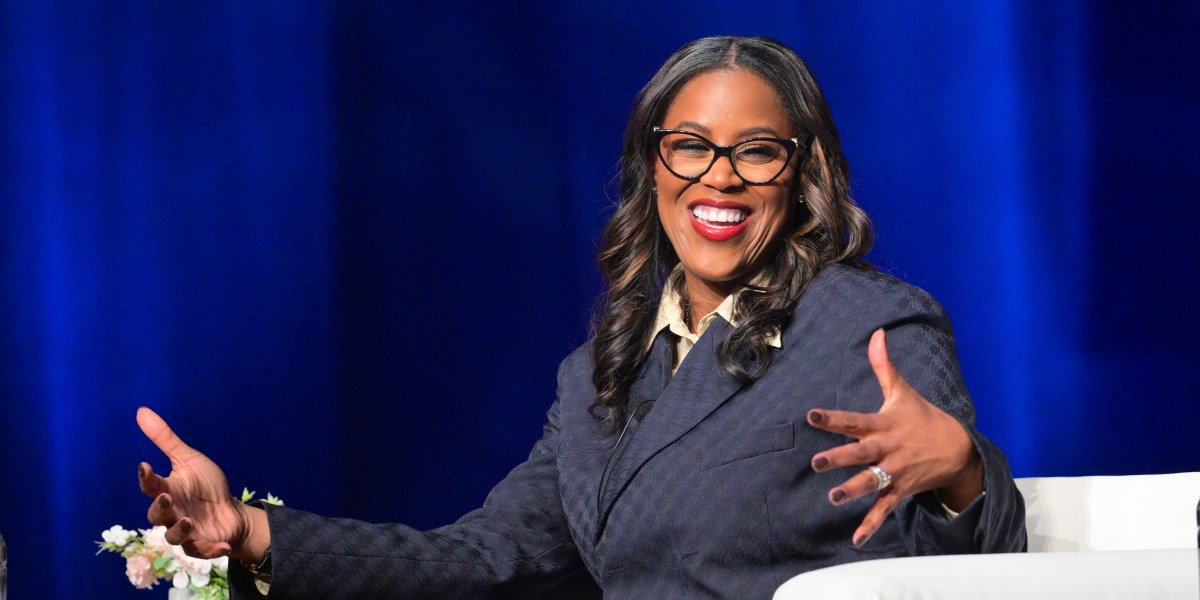
TIAA CEO Thasunda Brown Duckett says executives should avoid tying their identities to the jobs they hold. In an interview with Fortune editor-in-chief Alyson Shontell, Duckett framed the CEO title as temporary and personal character as the steadier asset.
“I rent my title. I own my character,” Duckett told Fortune, adding that there will be a point when she no longer leads TIAA. Her comments place a different emphasis on executive preparation, shifting attention from the pursuit of authority to the traits that remain after a role ends.
Duckett told Fortune that the qualities she considers hers include intellectual curiosity, grit, perseverance and her “compass.” Fortune’s Ruth Umoh reported that Duckett views those attributes as separate from what a board can grant or remove.
For senior executives and those seeking C-suite roles, Umoh wrote, career advancement can make a job title feel central to personal identity. Promotions serve as visible markers of progress, while authority can affect access, influence and professional relationships, according to Fortune.
Duckett’s advice, as reported by Fortune, is that leaders should put the same level of effort into developing durable personal qualities as they put into earning the next promotion. Those traits, she suggested, shape how executives handle career changes, including the period after they leave the top job.
Preparing for life after the corner office
Fortune reported that CEO succession planning is often discussed as a board and company responsibility. Duckett’s comments pointed to another form of preparation: how a chief executive protects a sense of self when the office eventually belongs to someone else.
Umoh connected Duckett’s view to a recent reflection by former GE CEO Jeff Immelt, who wrote that the phone stopped ringing after he left the role. Fortune described Immelt’s experience as an example of how quickly the status and access tied to a top corporate job can fade.
Duckett appears to have accounted for that possibility while still serving as CEO, according to Fortune. By treating the title as something borrowed rather than owned, she is preparing for a career transition that all chief executives eventually face.
Fortune also highlighted another piece of Duckett’s leadership advice about opportunities that arrive at difficult moments. Speaking about career timing, Duckett said: “Don’t ever count yourself out. Even if it’s not the ideal time, it may be the perfect time.”
The broader message from Duckett’s interview, as reported by Fortune, is that ambition should not depend entirely on rank. For executives aiming at the corner office, her counsel is to build an identity strong enough to survive the day the title changes.
This story draws on original reporting from Fortune.