
Sydney gold buyer publishes FAQ on spot-linked payouts
The CBD business says its new guide explains rates, licensing checks and transaction steps for people selling gold, jewellery and bullion.
By Sofia Marchetti · World Affairs Correspondent
3 min read
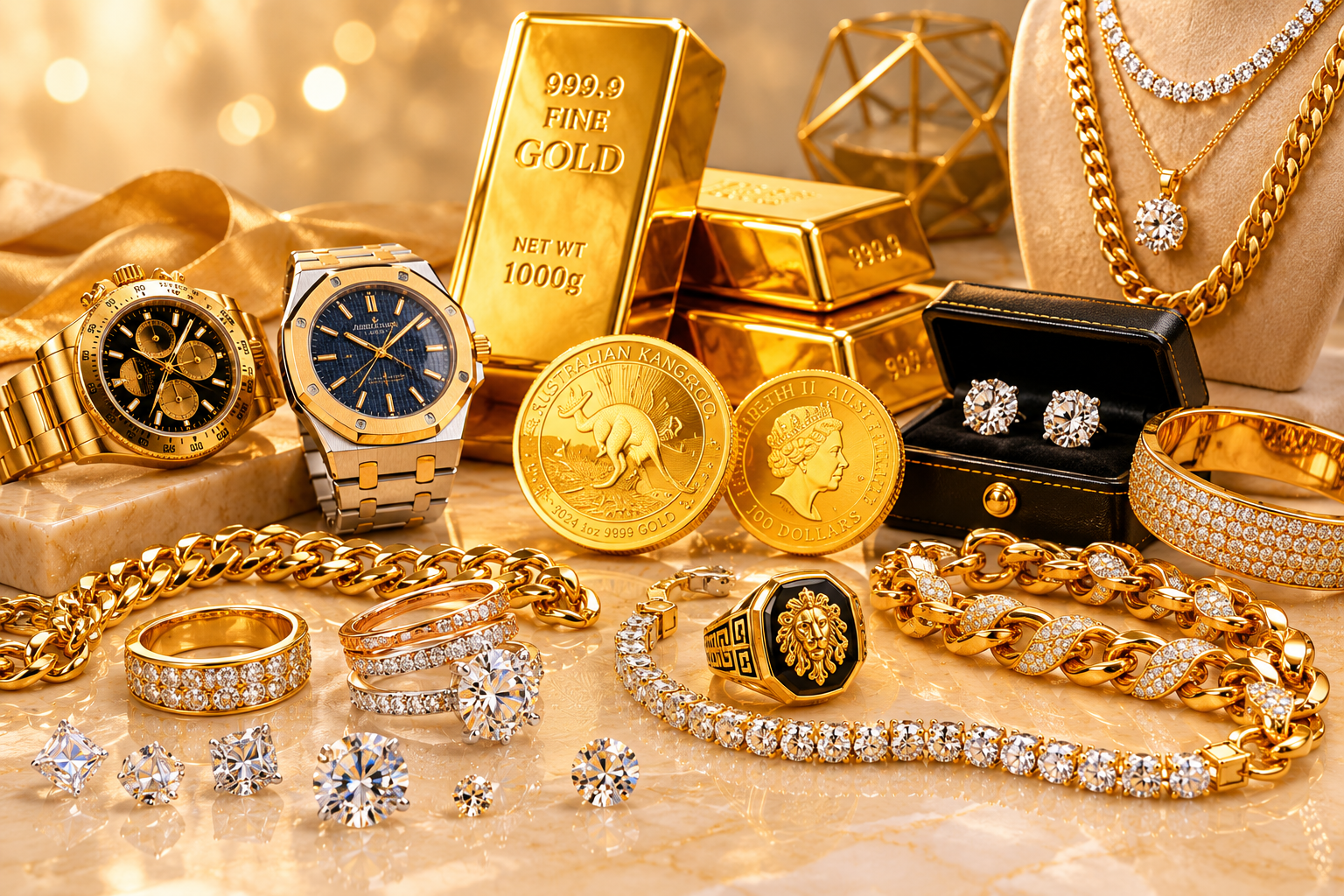
Gold Exchange Universe has published a plain-language FAQ for Sydney sellers of gold, jewellery, bullion and other valuables. The announcement puts its focus on how sellers can check payout rates, licensing and transaction terms before accepting an offer.
The Sydney CBD business operates from GB/303 Pitt St and is directed by Talal Barakat, who the company says has worked as a gold, jewellery and bullion buyer in the city for 35 years. Gold Exchange Universe says the FAQ is built around questions it commonly receives from first-time sellers.
The guide states that scrap gold and gold jewellery sellers receive close to 95 per cent of the live international gold spot rate, while certified bullion sellers receive close to 98 per cent. Those rates are described as published, spot-linked figures applied when a transaction is made, rather than estimates set before a seller arrives.
In gold buying, the final offer typically turns on three inputs: purity, weight and the market price for gold at the time of sale. Gold Exchange Universe says its process uses XRF testing to assess purity, government-certified scales to measure weight and a live international spot rate in Australian dollars per gram.
The business also says it operates a dynamic online rate board that updates with movements in the gold market through the trading day. That distinction is aimed at sellers comparing buyers that publish live pricing against businesses using manually updated tables or indicative rates.
The FAQ sets out different treatment for scrap gold and bullion. Scrap gold includes broken jewellery, mixed-karat items, dental gold and other non-standard material, while bullion refers to recognised gold bars and coins, including 999.9 pure stamped products. The company says scrap material is tested to establish purity, while bullion is accepted at its stated purity and checked by XRF.
Licensing is another major theme of the release. Gold Exchange Universe lists NSW Second-Hand Dealers Licence No. 2PS27296 and tells sellers to confirm a buyer’s licence before transacting. It also points to the role of Australian .com.au domains, which are regulated under auDA rules and require a connection to an Australian business identifier.
The business describes its in-store process as a same-visit assessment in which the seller is shown the weight, purity result and live spot rate before an offer is made. If an offer is accepted, settlement is available by cash or EFT on the same business day, according to the company.
The newly published Sydney gold seller FAQ also covers silver, platinum, diamonds, watches, opals, prospect gold, alluvial gold and gold nuggets. The company says sellers can present mixed items for one assessment, without prior cleaning, sorting or appraisal.
Gold buying remains a trust-sensitive service because sellers often bring in items with unclear purity, changing market value and personal significance. A public explanation of rate calculation and licence details gives customers more information to compare offers before handing over valuables.