
Summer disruptions strengthen the case for hybrid work
Stanford economist Nicholas Bloom says World Cup schedules, heat and gasoline costs are making remote work harder for employers to dismiss.
By Sofia Marchetti · World Affairs Correspondent
3 min read
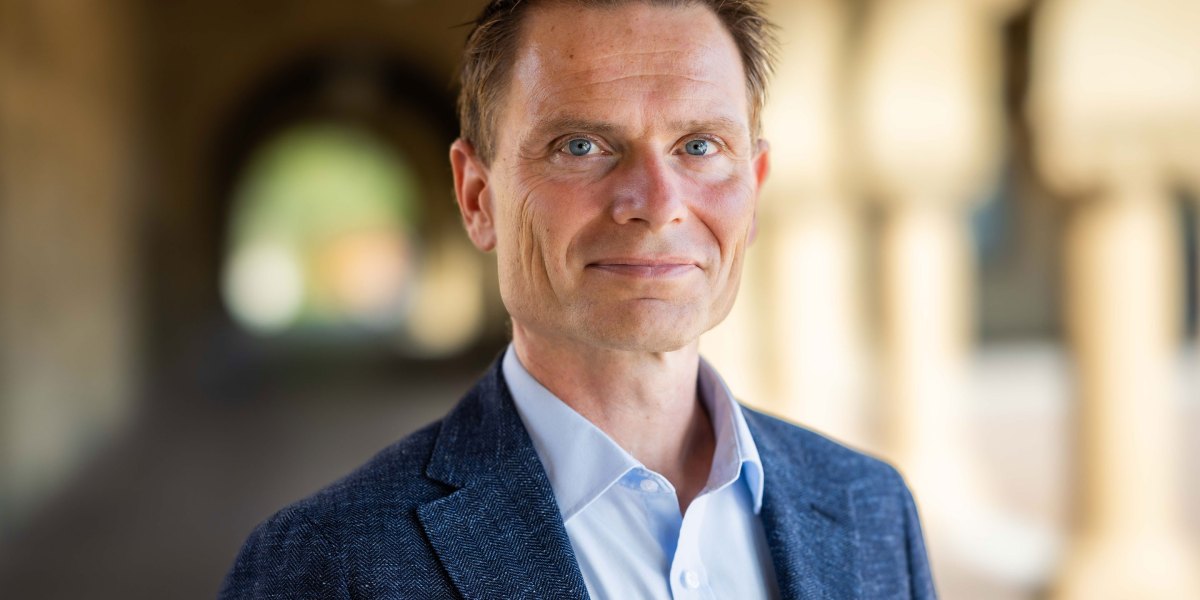
World Cup match times, extreme summer heat and higher commuting costs are pushing more workers to ask for days away from the office, according to Stanford economist Nicholas Bloom. Bloom told Fortune the summer pressures show why many employers are unlikely to return to the five-day office model that was common before 2020.
Bloom, who has studied remote work for two decades, said companies are finding practical reasons to let employees work from home during disruptions. He pointed to sports schedules, severe weather, protests, disasters and pandemics as events that make remote work a useful way to reduce commuting strain.
The shift comes despite return-to-office campaigns at major employers, including Amazon and JPMorgan Chase, according to Fortune. Bloom said many firms have made hybrid work a permanent arrangement for professional and managerial employees because workers value the flexibility and businesses can keep operations running during difficult conditions.
World Cup schedules test office routines
The 2026 FIFA World Cup has put that flexibility in view. The Financial Times reported in late June that JPMorgan Chase and Goldman Sachs were temporarily allowing employees to request remote work on match days during the tournament.
Fortune reported that several World Cup games have ended near midnight on the East Coast, including on weeknights. The tournament is scheduled to end July 19.
Bloom told Fortune that the current moment is an example of how working from home can help employers handle events that disrupt commuting or daily schedules. He argued that such events do not have to reduce output if employees can log in from home.
Heat and fuel prices add pressure
Summer weather is another factor. The National Oceanic and Atmospheric Administration said the average temperature across the continental United States was 70.6 degrees Fahrenheit in June, above the 20th-century average, according to Fortune.
Some cities, including Washington, D.C., recorded high temperatures over the Fourth of July weekend, Fortune reported, citing Fox Weather. Fortune also noted that rising July temperatures over decades linked to climate change have made commutes harder for people who walk, bike or use public transit.
Drivers are facing a separate cost concern. Fortune reported that renewed U.S. strikes on Iran and President Donald Trump’s statement that the ceasefire is “over” have raised worries about gasoline prices and commute expenses.
AAA listed the national average price for regular gasoline at $3.84 a gallon on Thursday, according to Fortune. That was little changed from the prior week but about 70 cents higher than the $3.16 average a year earlier.
Bloom estimated to Fortune that a typical 30-mile daily driving commute can cost Americans an extra $5 to $10 a day when gasoline prices rise. He said that gives workers another financial reason to stay home when their jobs allow it.
Hybrid work appears to be stabilizing
A Federal Reserve Bank of Minneapolis study using Census Bureau data found that hybrid work in the United States has largely leveled off, according to Fortune. The study showed that nearly 22% of workers did at least some work from home in 2025, down about 1 percentage point from the prior year.
Bloom also told Fortune that better video technology could strengthen remote work. He cited Noro, a startup that makes life-size video conferencing displays designed to show a person’s full body, and argued that fuller video presence can make meetings feel more natural and discourage multitasking.
His broader view, as reported by Fortune, is that companies should treat remote work as an operating tool rather than only a worker benefit. In his assessment, the summer’s mix of soccer, heat and fuel costs is reinforcing the business case for keeping hybrid options available.
This story draws on original reporting from Fortune.