
States test employer fees tied to workers on Medicaid
New Jersey has approved charges on larger employers with workers on Medicaid, as other Democratic-led states weigh similar plans.
By Daniel Okafor · Business Editor
4 min read
New Jersey has approved a new charge on employers whose workers or workers’ dependents receive Medicaid, the Associated Press reported. The move matters because Democratic-led states are looking for new money for the state-federal health program as federal policy changes are expected to raise state costs and reduce coverage.
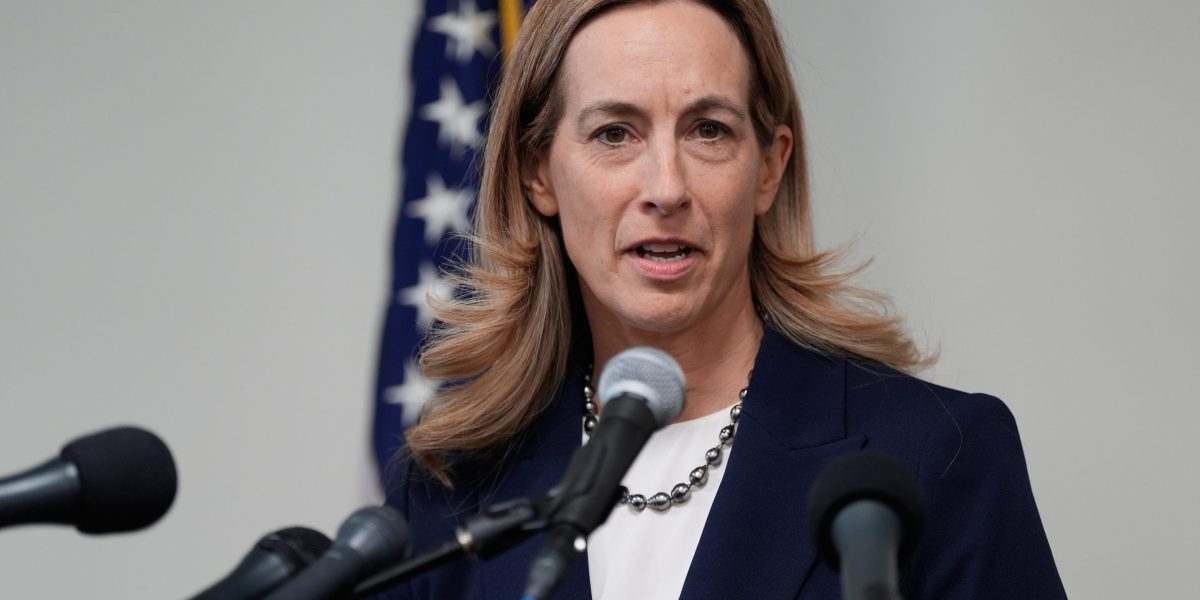
According to the Associated Press, Gov. Mikie Sherrill signed the New Jersey measure Tuesday night after approving a state budget that assumes $145 million in revenue from the program this year. The fee applies to companies with at least 50 Medicaid-covered workers or dependents.
Under the New Jersey plan, the Associated Press reported, employers will be billed for each covered employee and each covered dependent enrolled in Medicaid. Annual charges start at $325 per person for companies with 50 to 249 Medicaid beneficiaries and rise to $725 per person for employers with at least 500 beneficiaries.
Supporters told the Associated Press the policy is both a budget measure and a fairness measure. They argue that some employers benefit when lower-income workers rely on taxpayer-funded health coverage rather than employer plans.
Other states are considering similar action
California lawmakers passed a bill this week that does not impose an employer fee now but requires state officials to give lawmakers options next year, the Associated Press reported. The next steps would fall to the successor of Democratic Gov. Gavin Newsom, who leaves office in January.
According to the Associated Press, Democratic gubernatorial candidate Xavier Becerra has included an employer charge in his campaign platform. State Sen. John Laird, the Democrat behind the California proposal, said President Donald Trump’s tax and policy law signed a year ago helped drive the push because it could leave California paying more for Medicaid.
The nonpartisan Congressional Budget Office expects that law to leave more than 10 million people uninsured by 2034, the Associated Press reported. The law requires some Medicaid beneficiaries to work, attend school or volunteer, and requires more beneficiaries to document whether they meet the rules; AP reported that many workers at larger companies would keep coverage if they work at least 20 hours a week.
Laird also framed the issue as one of equity, according to the Associated Press. He said small businesses in California may pay for their own workers’ health insurance while also, through taxes, helping cover workers at large employers.
Legislation with similar aims passed one chamber this year in Colorado and Oregon but did not become law, the Associated Press reported. A proposal was introduced in Washington, and Democratic Connecticut Gov. Ned Lamont has called for a similar charge that would take effect in two years as part of that state’s budget.
Business groups and some policy analysts object
Business groups have criticized the idea because it would increase employer costs, the Associated Press reported. Christopher Emigholz of the New Jersey Business and Industry Association said in a statement that employers could be penalized even when a worker turns down an employer health plan and chooses Medicaid.
Some left-leaning policy organizations also oppose the charges, according to the Associated Press. Gideon Lukens of the Center on Budget and Policy Priorities said the policy could discourage companies from hiring low-income workers or single parents, affect layoff and location decisions, and make workers less willing to enroll in Medicaid if they think coverage could hurt their job prospects.
New Jersey’s law includes provisions meant to answer some of those concerns, the Associated Press reported. It exempts temporary, seasonal and part-time workers and bars employers from making job decisions based on a worker’s Medicaid status.
The idea has a short history
Employer charges tied to Medicaid enrollment have surfaced before, the Associated Press reported. Massachusetts adopted a charge in 2017 of up to $750 per nondisabled worker covered by Medicaid or a state-subsidized exchange plan; it began in 2018 and expired the next year without renewal.
Maryland enacted an earlier version in 2006 that affected only Walmart at first, according to the Associated Press. An industry group sued and won after a federal judge found the policy conflicted with federal rules governing self-insured employee health plans; AP reported that newer proposals may avoid that issue by not referring to those plans in the legislation.
This story draws on original reporting from Fortune.