
Starter homes hit $1 million in a record 242 U.S. cities
Zillow says the Northeast is seeing the fastest spread of seven-figure entry-level homes, with New York and New Jersey adding 15 cities in a year.
By Hana Yoshida · Markets Reporter
3 min read
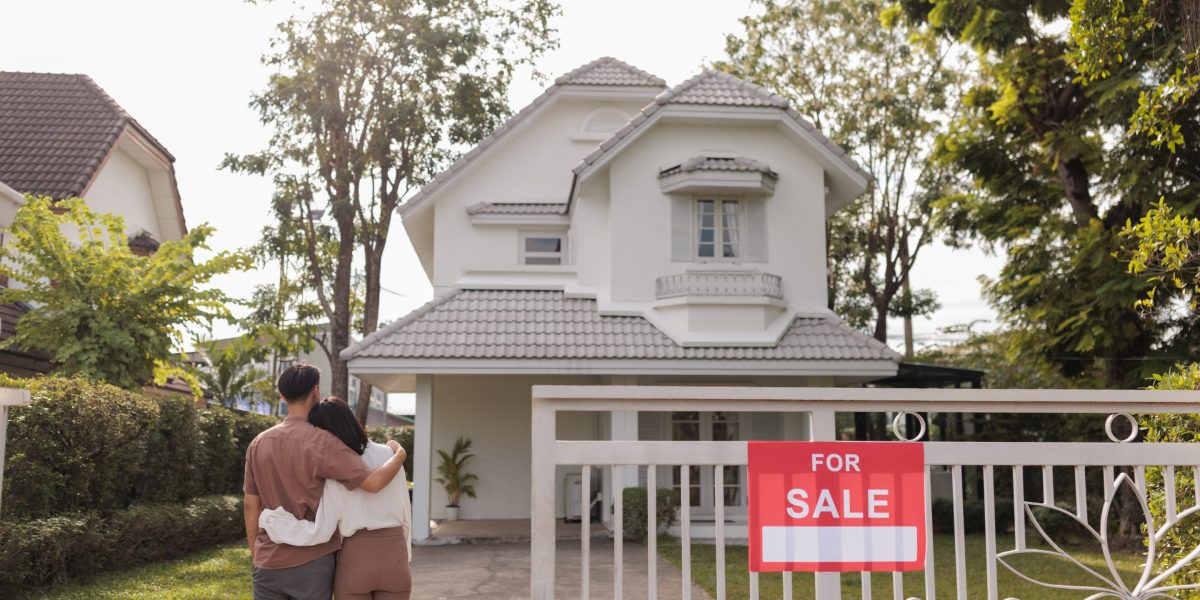
A record 242 U.S. cities now have starter homes valued at $1 million or more, according to a Zillow report released Monday. The spread is hitting the Northeast fastest, adding another hurdle for first-time buyers already delayed by high prices, tight supply and mortgage costs.
Zillow said the count has nearly tripled from 80 cities before the pandemic and is up from 226 a year earlier. The company defines a starter home as a property in the bottom third of local home values, which means the seven-figure threshold is showing up at the lower end of some city markets rather than only among luxury homes.
Nationwide, Zillow put the typical starter home value at $198,649, a 1.7% increase from a year ago. In the cities on its list, however, the cost of an entry-level home is about five times that national figure.
The Northeast is catching up fast
California still has the largest number of million-dollar starter-home cities, with 105, Zillow said. The fastest growth, however, is in the Northeast, where New York and New Jersey together added 15 cities to the list over the past year.
New York now has 41 cities where starter homes cost at least $1 million, up from 12 before the pandemic, according to Zillow. New Jersey has 26, compared with one before the pandemic.
The New York City metro area leads the country with 63 cities where starter homes carry seven-figure values, Zillow said. San Francisco follows with 37, Los Angeles has 33, San Jose has 13, and Miami and Seattle have eight each.
Zillow said the pattern fits its 2026 analysis of the most competitive housing markets, which found six of the top 10 in the Northeast. The company tied that pressure to limited building and deep inventory shortages in the region.
A broader post-pandemic shift
The million-dollar starter-home market has also moved beyond its old coastal concentration, according to Zillow. Before 2020, only nine states had at least one city with a seven-figure starter home, and Colorado was the only non-coastal state on the list.
Zillow said 26 states now have at least one such city. Texas, Wyoming and Illinois each have multiple cities where entry-level homes have crossed the $1 million mark.
Kara Ng, a senior economist at Zillow, attributed the rise to a long-running supply problem colliding with the pandemic-era surge in demand and low mortgage rates. “A housing shortage a decade in the making ran headlong into intense demand with mortgage rates at historic lows, driving up home values at a record pace,” Ng wrote in Zillow’s report.
First-time buyers face a higher bar
The pressure lands heavily on younger buyers trying to enter the market later in life. The National Association of Realtors reported in November 2025 that the typical first-time buyer age had climbed to a record 40, according to Fortune.
Fortune also reported that the share of first-time buyers had fallen to about half the historical norm. For millennials in their late 30s and early 40s, especially those with children and a need for more space, the rise of seven-figure starter homes raises the size of the down payment and income needed to buy.
Christopher M. Naghibi, executive vice president and chief operating officer at First Foundation Bank, told Fortune in 2024 that million-dollar home markets put buyers under severe affordability pressure. He said prospective buyers in those areas need far larger down payments and higher incomes.
Zillow reported some improvement in the buy-versus-rent math. The company found that the typical buyer now reaches a break-even point against renting after about six years, down from more than eight years in late 2023, as inventory improves and price growth slows.
That relief is limited in cities where the lowest tier of homes costs $1 million or more. Zillow’s data shows the entry point for ownership has risen sharply in many local markets, even as the national starter-home value remains far below seven figures.
This story draws on original reporting from Fortune.