
SpaceX IPO left $16.7 billion off its balance sheet, analysis says
SpaceX’s June debut raised $86 billion, but Fortune says its pricing handed investors a record first-day windfall as AI spending accelerates.
By Daniel Okafor · Business Editor
3 min read
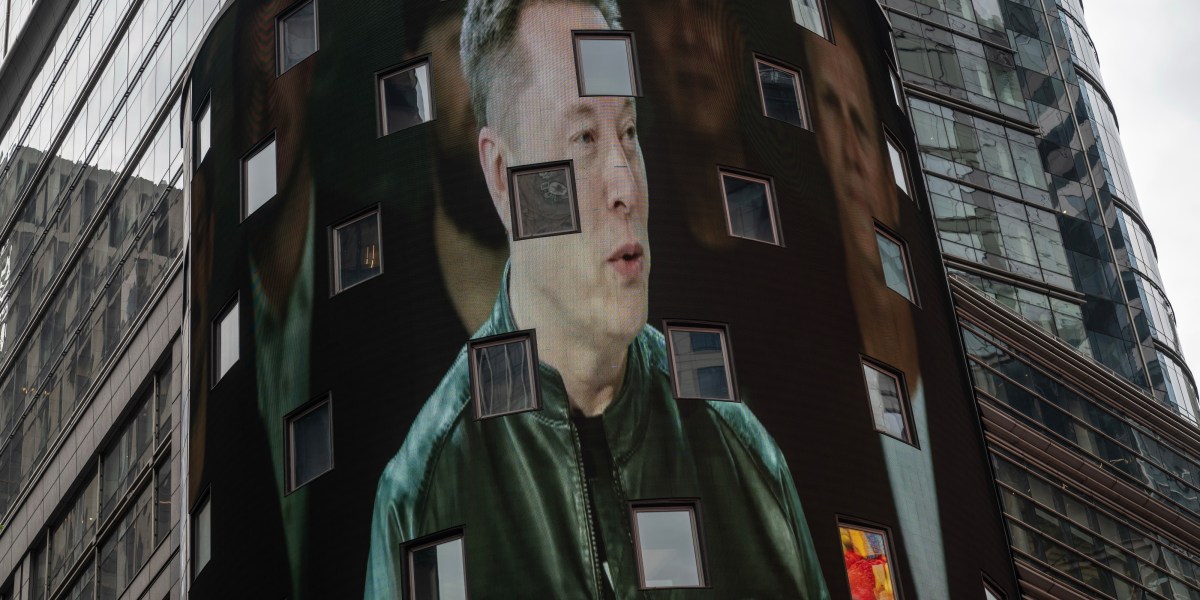
SpaceX’s June 12 market debut may have cost the company $16.7 billion in proceeds it could have used for its expanding AI business, according to a Fortune analysis. The figure matters because SpaceX’s own filing says the AI push will require large spending on computing, infrastructure, power generation, model training and product development.
Fortune reported that SpaceX sold shares at $135 in its IPO and that the stock closed its first session at $160.75, a 19% gain. Jay Ritter, a University of Florida professor who tracks IPOs, told Fortune that the one-day gap represented $14.5 billion left on the table under his standard methodology.
Fortune said that figure rises to $16.7 billion when including the 15% overallotment option, known as the Green Shoe, that underwriters can distribute at the IPO price if shares rise. Ritter’s IPO rankings, as described by Fortune, show SpaceX’s amount would be far above the prior ordinary-share record of $5.9 billion from Visa’s 2008 offering.
A record offering with a costly first-day gap
Fortune reported that SpaceX’s IPO raised $86 billion including the overallotment and valued the company at more than $2 trillion by the first-day close. The publication said the 19% first-day rise matched the average IPO pop over recent decades in Ritter’s data, which made the percentage move appear restrained.
The dollar amount told a different story, according to Fortune. The publication said only five IPOs had produced first-day gains, including overallotments, above $4 billion, and that SpaceX’s estimated $16.7 billion exceeded the combined total of several of the biggest prior U.S. ordinary-share examples it cited.
Fortune also noted that Alibaba’s 2014 offering left more than $9 billion on the table, but said Ritter’s table excludes that deal because it used American depositary receipts rather than ordinary shares.
AI spending puts pressure on cash
Fortune reported that SpaceX posted $18.7 billion in revenue last year. The company’s filing showed AI-related capital expenditure of $12.7 billion last year, equal to 81% of its plant and equipment spending, according to Fortune.
In the first quarter, Fortune said SpaceX’s spending on data centers, GPUs and related AI infrastructure rose to $7.7 billion. The company’s S-1 filing said its AI business was still at an early stage and would need significant capital expenditure for compute, infrastructure, power generation, model training and product development.
Fortune reported that SpaceX spent $31 billion on capital expenditure over the past five quarters, four times the cash it generated from operations. The publication attributed the shortfall to losses in AI and smaller losses in rockets, offset by profits from Starlink.
The IPO proceeds are also partly committed elsewhere, according to Fortune. The company’s S-1 said SpaceX had set aside $62.6 billion, or 71% of the $86 billion raised including the Green Shoe, for obligations including repayment of a Tesla loan and an EchoStar spectrum acquisition closing, Fortune reported.
Fortune said that leaves about $23 billion from the offering for AI capital expenditure. Combined with $24 billion of cash at the end of the first quarter, the publication said SpaceX had less than $50 billion available before considering the $16.7 billion it did not capture through IPO pricing.
Dilution risk enters the picture
Fortune reported that SpaceX shares continued to rise after the IPO, closing at $185 on June 18 and lifting the company’s valuation to $2.44 trillion. David Trainer, chief executive of New Constructs, previously estimated for Fortune that SpaceX would need $1.1 trillion in revenue by 2035 to deliver decent returns to investors buying at $135.
Fortune’s Shawn Tully estimated that buyers at the later market price would need SpaceX revenue of $1.5 trillion in 10 years to earn fairly good returns. Fortune also cited an X post from Elon Musk in which he suggested SpaceX could reach $1 trillion in sales by 2031.
SpaceX announced on June 16 that it would buy coding agent Cursor for $60 billion in stock, Fortune reported. The publication said the deal would dilute shareholders by 2.4% at a $2.6 trillion valuation, with more dilution possible if the share price falls before closing.
This story draws on original reporting from Fortune.