
SpaceX IPO draws comparison to Hamilton-era stock frenzy
Owen Lamont says SpaceX enthusiasm echoes the 1791 Bank of the United States boom that preceded the Panic of 1792.
By Maya Lindqvist · Senior Technology Correspondent
3 min read
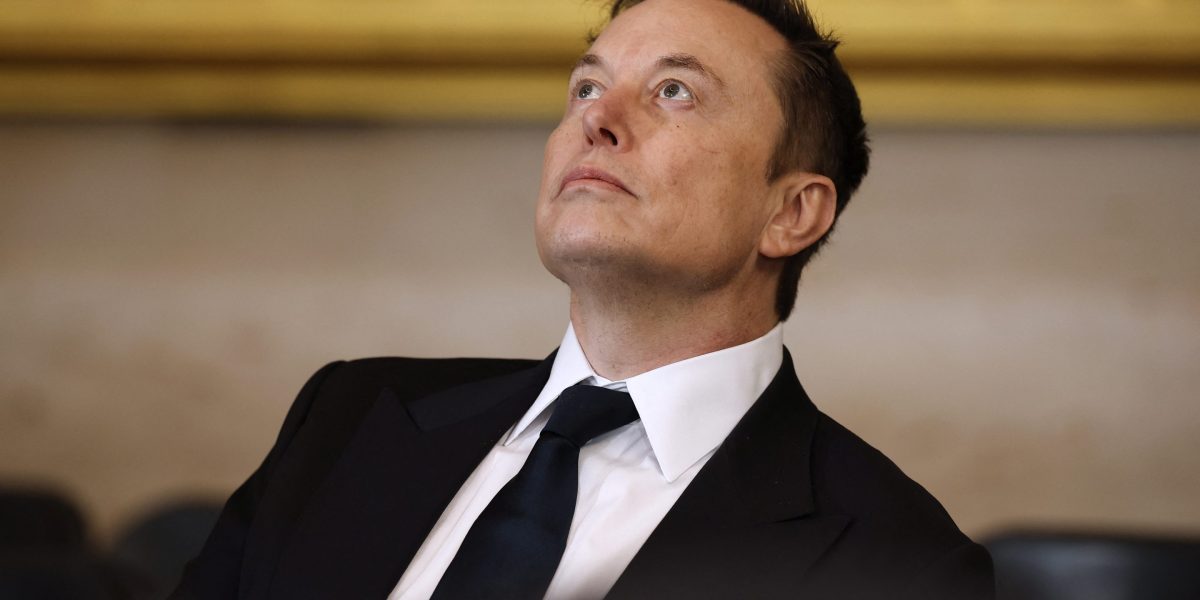
SpaceX’s public offering has renewed debate over whether investor excitement has run ahead of reality. Owen Lamont, a senior vice president and portfolio manager at Acadian Asset Management, wrote in Fortune that the moment has an early-American precedent: Alexander Hamilton’s 1791 Bank of the United States offering.
Lamont framed the comparison around the United States’ 250th anniversary and what he described as the largest IPO in history. He argued that the market response to SpaceX resembles the “scriptomania” that followed the Bank of the United States share subscription sale on July 4, 1791, when the country was 15 years old.
A Hamilton-era parallel
Lamont described Hamilton and Elon Musk as ambitious immigrant figures with wide-ranging ventures and strong critics. In his account, both men backed projects that supporters saw as nation-building and opponents viewed as dangerous concentrations of power.
The Bank of the United States offering took place in Philadelphia, Lamont wrote, on the same date as the anniversary of the Declaration of Independence. Hamilton supported the bank as part of his plan to strengthen the young country’s financial system.
According to Lamont, investors bought subscriptions known as script or scrip. The offering was oversubscribed, as Lamont said SpaceX’s was, and George Washington treated the demand as a sign of confidence in the government and in the country’s financial resources.
Thomas Jefferson saw the same episode differently, Lamont wrote. Jefferson, who opposed Hamilton’s finance-centered vision, warned that the bank subscription had fed a speculative appetite and described the trading mood as a form of gambling.
Leverage and fast gains
Lamont pointed to leverage as one link between the two episodes. He wrote that Bank of the United States script sold for $25 while representing $400 in equity, with buyers required to pay the remaining $375 over two years; some traders borrowed money to buy the script.
In the SpaceX case, Lamont wrote that at least 11 leveraged single-stock exchange-traded funds appeared immediately after the IPO. He also said the argument for SpaceX as a near-certain winner rests on its strong position in commercial space launch.
James Madison captured the mood in New York days after the 1791 offering, according to Lamont. Madison wrote that people were talking constantly about stock trading and that subscribers were widely viewed as facing little chance of loss.
The 1791 boom accelerated quickly, Lamont wrote. By August, he said, the script price had climbed from $25 to $200.
The crash that followed
Lamont cited Dr. Benjamin Rush, a signer of the Declaration of Independence, as describing Philadelphia during the boom as consumed by speculation. Rush wrote that the frenzy affected even people who had not bought in, and Lamont compared that mood to modern fear of missing out.
The bubble later collapsed and helped lead to the Panic of 1792, Lamont wrote. Rush described distress in New York, while Jefferson dismissed scrip speculation as either foolishness or fraud.
Lamont identified William Duer, a former Treasury figure close to Hamilton, as a central villain of the collapse. He wrote that Duer raised money from a wide range of investors, surrendered to authorities for his own safety after the crash, spent the rest of his life in debtors’ prison and died in 1799.
Lamont did not predict a repeat of the Panic of 1792. His warning was narrower: the 1791 episode shows how a celebrated offering, leverage and certainty about future gains can feed a speculative surge before prices return to more sober levels.
This story draws on original reporting from Fortune.