
South Korea’s chip bonuses draw central bank inflation warning
The Bank of Korea says semiconductor profit-sharing could add to price pressures by lifting both company costs and household spending power.
By Sofia Marchetti · World Affairs Correspondent
3 min read
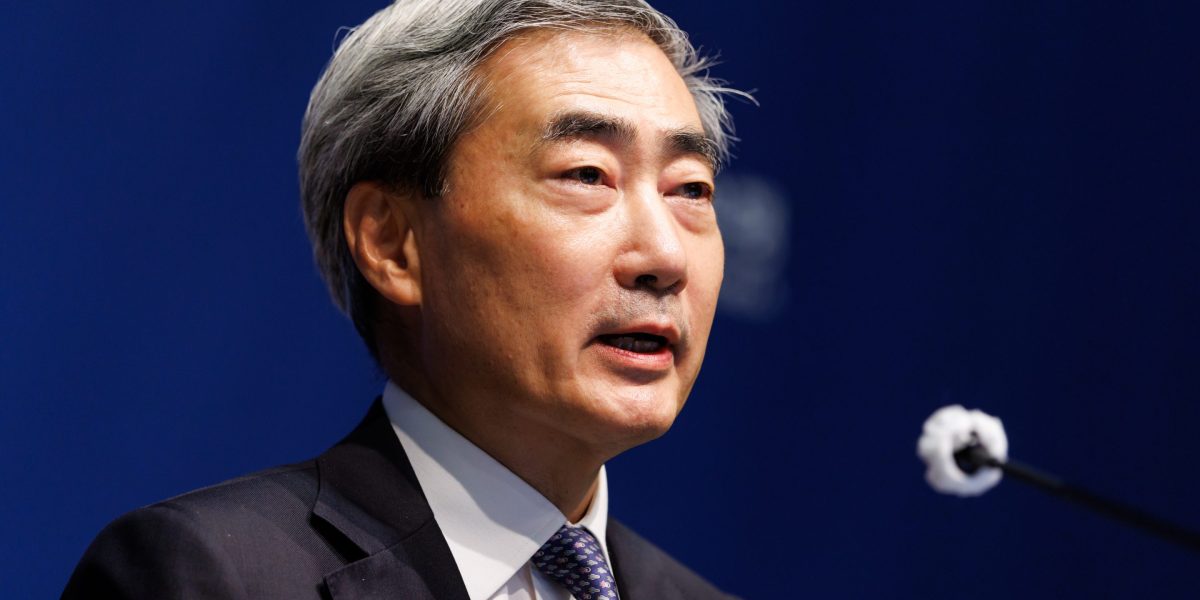
South Korea’s central bank has identified large semiconductor bonuses as a potential contributor to inflation, adding labor income to a price picture already strained by energy costs. The warning matters because chipmakers are sharing gains from the AI-driven boom with workers in sums large enough to catch the attention of monetary policymakers.
In a June 17 report, the Bank of Korea said inflation pressure has mainly come from energy prices, which it linked to conflict in the Middle East. The bank also said some industries are seeing wage pressure tied to stronger productivity, labor market conditions and wider use of performance-linked pay.
The semiconductor industry stood out in the bank’s assessment. The Bank of Korea said rising company profits have led to much larger incentive payments in chips, and that those pay increases could give households more room to spend.
The bank said the bonuses could affect prices in two ways. Higher compensation can raise production costs for companies, which may then pass some of those costs into prices, and higher income can lift consumption by workers and their households, according to the Bank of Korea.
The central bank added that the size of those effects depends on broader economic conditions and how much pricing power companies have. Its warning stops short of saying chip bonuses are the main inflation driver, but it places the pay surge within the central bank’s inflation monitoring.
Samsung and SK Hynix payouts in focus
Recent chip-sector pay agreements show why the issue has become visible. Reuters reported in late May that South Korea’s government mediated a deal between Samsung Electronics and unionized workers that included a profit-sharing arrangement.
The Guardian reported that the agreement averaged about $410,000 in bonus payments. Under the arrangement, Samsung’s semiconductor business will allocate about 10.5% of operating profit to performance-based payments, according to the reports cited by Fortune.
SK Hynix workers could also receive very large bonuses if the company hits an ambitious profit target. Reuters calculated earlier this year that chip workers at SK Hynix could get more than 700 million won, or $454,851, if the company reaches annual profit of 250 trillion won.
The payouts reflect the scale of profits flowing through chip companies as demand tied to artificial intelligence lifts parts of the semiconductor market. The Bank of Korea’s concern is that those gains, once paid out as income, can spread into the wider economy through spending and company costs.
Labor minister has urged wider sharing
South Korea’s labor minister, Kim Young-hoon, has suggested that gains from the AI boom should be shared more broadly, CNBC reported. Kim said tech companies’ achievements were the result of work by staff and management, and he said suppliers such as water and electricity providers, along with local communities, should also benefit from growth.
The debate extends beyond South Korea. Nvidia Chief Executive Jensen Huang said at the Computex trade show in Taipei that employees should be paid as much as possible, Bloomberg reported. Fortune also reported last year that Nvidia executives Colette Kress and Jay Puri became billionaires as the company’s shares rose.
For South Korea, the immediate issue is narrower: whether chip-sector windfalls are adding to inflation pressure at a time when the central bank is already watching energy prices. The Bank of Korea’s report signals that wage gains in a highly profitable industry are now part of that calculation.
This story draws on original reporting from Fortune.