
Social Security trust fund forecast worsens, raising risk of 2032 cuts
A fiscal watchdog says Social Security’s main retirement fund could run dry in 2032, forcing automatic benefit cuts without congressional action.
By Maya Lindqvist · Senior Technology Correspondent
3 min read
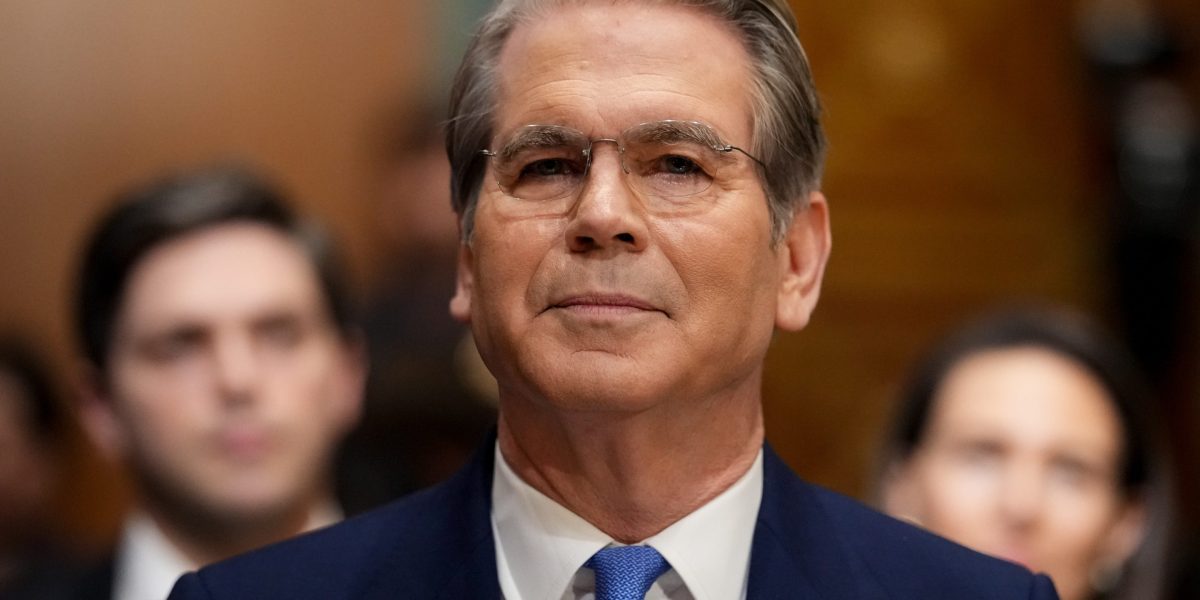
Social Security’s main retirement trust fund is now projected to run out of reserves in 2032, a year earlier than previously estimated, according to the 2026 Social Security Trustees’ Report. The shift raises the pressure on Congress because depletion would trigger automatic cuts to benefits paid to retirees, survivors and their dependents.
The Committee for a Responsible Federal Budget, a nonpartisan fiscal watchdog, said its review of the trustees’ report shows the program’s finances have deteriorated to their weakest point in decades. The group said Social Security has not been this close to insolvency since 1983, when lawmakers and the Reagan administration reached a bipartisan deal to strengthen the system.
CRFB said the Old-Age and Survivors Insurance trust fund, which pays retirement and survivor benefits, would face a 22% across-the-board benefit reduction if lawmakers do not act before reserves are exhausted. If the disability insurance fund is counted together with the retirement fund, the combined reserves would run out in 2034, leading to a 17% benefit cut, according to the trustees’ projections cited by the group.
The long-term gap has widened
The trustees put Social Security’s 75-year actuarial shortfall at 4.42% of taxable payroll, which CRFB said is the largest gap since 1977. The watchdog estimated that shortfall at $31 trillion in present value and said it increased from 3.82% of taxable payroll in last year’s report.
CRFB attributed the worsening outlook to several factors, including lower fertility assumptions, reduced immigration projections and tax changes enacted in the One Big Beautiful Bill Act. The trustees lowered their assumed fertility rate to 1.75 children per woman from 1.9, while the immigration assumption for temporary or unlawfully present immigrants fell to 1.2 million a year from 1.35 million.
The group said the One Big Beautiful Bill Act, which cut taxes on Social Security benefits, accounted for about a quarter of the year-over-year deterioration in the actuarial balance. CRFB said the law also worsened Medicare’s Hospital Insurance trust fund shortfall.
Over the next decade, Social Security is expected to pay $3.8 trillion more in benefits than it collects in revenue, according to CRFB’s analysis. The group said annual deficits are projected to rise from 2.7% of taxable payroll now to 6.6% by 2100.
Washington has not settled on a fix
Treasury Secretary Scott Bessent has said the administration does not plan to cut benefits or raise taxes to close the gap. In testimony to Congress earlier this month, Bessent said, “The senior citizen does not pay more taxes and the senior citizen does not get less benefits,” while pointing to faster growth as the administration’s preferred answer.
CRFB said delay would make the choices harder. If Congress acted now, the group said, long-term solvency could be restored through a 34% payroll tax increase, a 25% cut in total benefits or a 30% reduction for new beneficiaries. If lawmakers wait until 2034, CRFB said the required tax increase would rise to 40%, or the across-the-board benefit cut would rise to 29%.
The watchdog also said eliminating the payroll tax cap, now $184,500 in wages, would close only about half of the solvency gap. A typical couple retiring in 2033 would see an $18,400 annual benefit reduction if the trust fund is depleted and Congress has not intervened, according to CRFB.
The trustees urged lawmakers to address the shortfalls soon enough to phase in changes and give workers and beneficiaries time to adjust. Brookings researchers also criticized the report’s delayed release and noted that two public trustee seats have been vacant for more than a decade, which they described as a sign of backward movement on reform.
This story draws on original reporting from Fortune.