
Seltz raises $12.5 million to build search tools for AI agents
The seed round backs a startup that says AI agents need search infrastructure built for machine use rather than human clicks.
By Sofia Marchetti · World Affairs Correspondent
3 min read
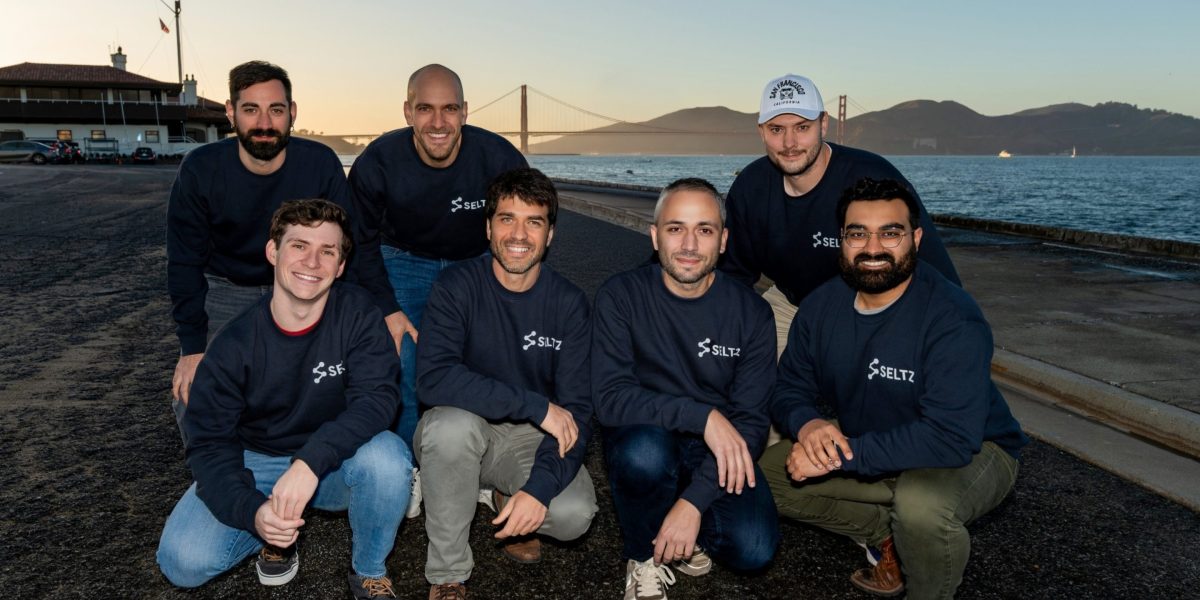
Seltz has raised $12.5 million in seed funding to build web search infrastructure for AI agents and chatbots, Fortune reported. The company is betting that systems which search the web on behalf of users need different tools than traditional engines built around keyword queries and lists of links.
According to Fortune, the round was led by Speedinvest and B Capital. Italian Founders Fund, United Ventures and Future Back Ventures, Bain & Company’s venture arm, also participated.
Seltz founder and CEO Antonio Mallia told Fortune that conventional search engines were designed for people who type short prompts and inspect ranked results. AI agents, he said, issue longer and more specific requests, sometimes many at once, and need information that can be used and cited by a machine.
Mallia told Fortune that the useful material for an AI system often sits inside the page itself, including tables, images and other page elements, rather than in a short preview shown to a person. Seltz’s pitch is that retrieval systems should return the part of the web page an agent needs, rather than treating a page summary or link as the main output.
A full search stack
Fortune reported that Seltz says it controls its own search stack, including a web crawler, search index, retrieval models and ranking systems. Mallia contrasted that approach with AI search services that rely on APIs from existing search providers such as Google, Bing or Brave.
Some large AI companies have been working on their own search indexes and crawlers, Fortune reported, while others have been reported to depend on outside indexes. Fortune cited reports that Anthropic and Mistral have used Brave’s index for web search in chatbots, and that OpenAI and Perplexity have worked on their own search infrastructure.
Google remains the benchmark in web search because of the scale of its index and daily usage, Fortune reported. The fight over search data has also reached court: Fortune noted that Google sued SerpApi in December, alleging the company bypassed anti-bot protections while scraping Google results.
Seltz’s system crawls hundreds of millions of pages per day and returns results in less than 200 milliseconds, Mallia told Fortune. He described the company’s approach as scoring specific passages and extracting the relevant text, table or image for an agent.
A crowded field
Seltz faces rivals with larger war chests. Fortune reported that Parallel, founded by former Twitter CEO Parag Agrawal, recently raised $100 million at a $2 billion valuation; Exa raised $85 million; and Tavily was acquired by AI cloud company Nebius for up to $400 million earlier this year.
Mallia’s background is in information retrieval, according to Fortune. He earned a computer science Ph.D. at New York University, worked on Amazon’s artificial general intelligence team and later was a research scientist at vector-database company Pinecone before founding Seltz.
The company was incorporated in the U.S. and founded last October, Fortune reported. Seltz has 15 workers, about six of them full time, with a fully remote team split between the San Francisco Bay Area and university hubs near Pisa, Italy, and Leipzig, Germany.
According to Fortune, Seltz’s advisers and angel investors include executives from Google, Ramp, Cohere, Synthesia and Databricks, as well as academics from information-retrieval labs at NYU and the University of Glasgow. Seltz said the new capital will support product development, hiring and the beginning of an enterprise sales push.
This story draws on original reporting from Fortune.