
Scott Kirby reiterates support for a national wealth tax
United Airlines CEO Scott Kirby said a wealth tax would be fairer, arguing that untaxed investment gains can grow indefinitely.
By Sofia Marchetti · World Affairs Correspondent
2 min read
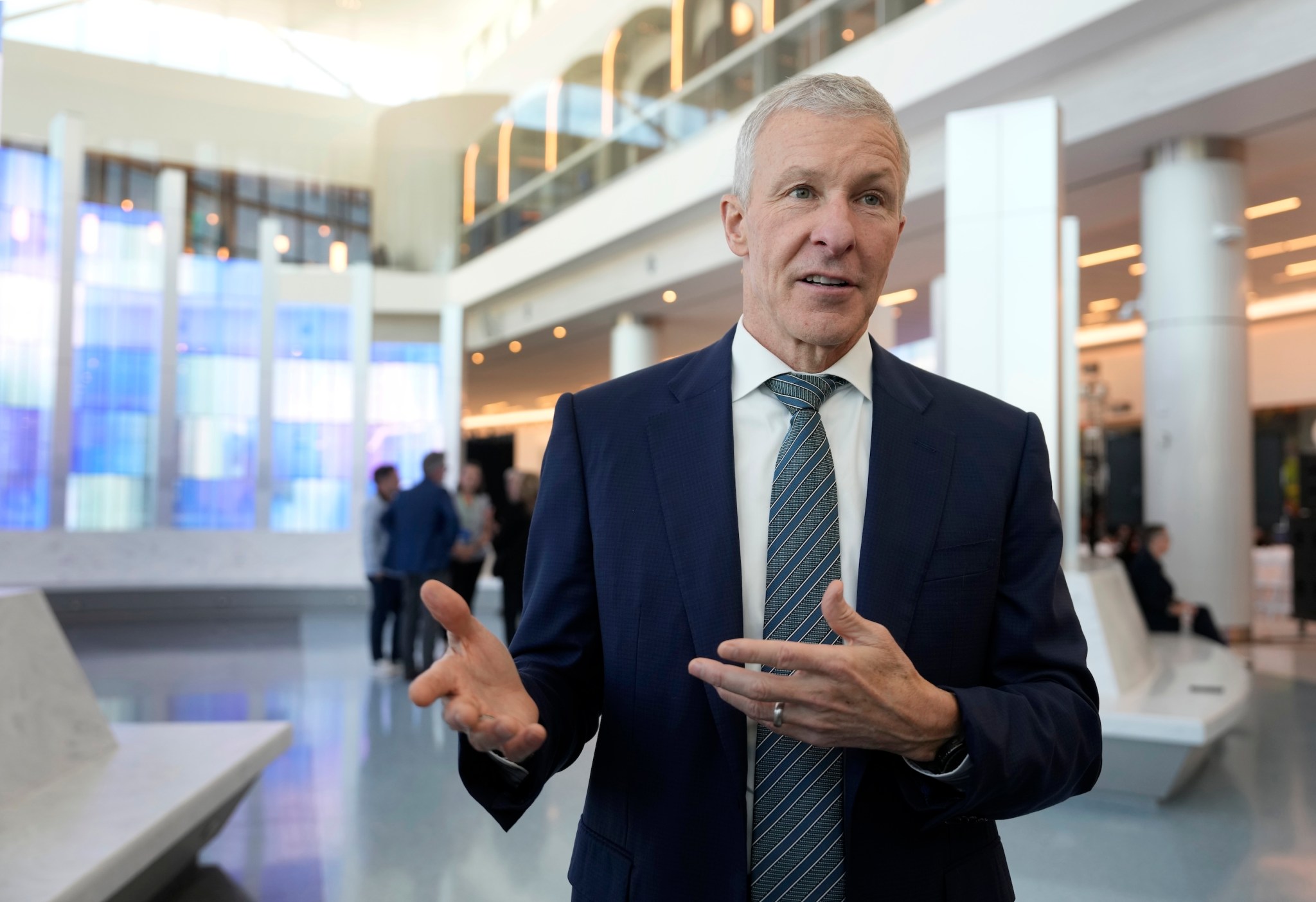
United Airlines CEO Scott Kirby has reiterated his support for a national wealth tax, saying it would address what he sees as an unfair advantage for people whose assets rise in value without producing taxable income. The Scott Kirby wealth tax comments drew attention in part because Fortune reported that his total compensation in the preceding year was about $32.3 million.
Kirby made the remarks on CNBC's Squawk Box after calling for a national wealth tax in an October interview with The New York Times, according to Fortune. He said the levy would apply to him and described it as a question of fairness.
His argument centered on wealth that accumulates through assets whose owners do not sell them. Such gains may increase an owner's wealth without becoming realized income, Kirby said, allowing them to continue growing without being taxed under the income-tax system he described.
What did Scott Kirby say about a wealth tax?
Kirby said he would favor lower income-tax rates paired with higher taxes, or another form of tax, on gains in wealth, Fortune reported. He did not outline a proposed rate, exemption level, valuation method or legislative plan.
He also said the views were personal and that he was not seeking a role in politics or policymaking. In the earlier interview, according to Fortune, Kirby also supported inheritance taxes that could approach 100% at some level and said he would pay such taxes.
A wealth tax would generally target the value of assets a person holds, while an income tax applies to income. The distinction matters to Kirby's case: reported executive compensation is income, but the $32.3 million figure does not establish the size, makeup or tax treatment of his personal wealth.
Fortune, citing IRS information, reported that the top federal income-tax rate for 2025 was 37% for single filers with taxable income above $626,350. That rate does not show Kirby's personal tax bill.
What are the objections to an annual wealth tax?
Mariana Trujillo, managing director of government finance at the Reason Foundation, told Fortune that taxing accumulated wealth could discourage investment and entrepreneurship. She distinguished an inheritance tax, charged when assets pass to another person, from an annual levy on wealth.
Trujillo argued that a recurring tax could give wealthy people and their capital an incentive to move. Those are arguments against the policy, rather than evidence of a particular outcome from Kirby's proposal, which remains an advocacy position rather than an enacted federal law.
This story draws on original reporting from Fortune.