
Richard Branson says a 5 a.m. alarm is not a success plan
The Virgin Group founder says people should build routines around their own energy patterns rather than copying his early starts.
By Sofia Marchetti · World Affairs Correspondent
3 min read
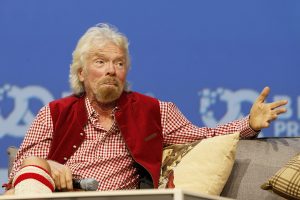
Richard Branson is cautioning people against treating his 5 a.m. wake-up as a template for achievement. The Virgin Group founder said on LinkedIn and in comments to Fortune that copying high-profile executives’ routines can push people toward burnout instead of better work.
Branson has long been associated with an early schedule. In a Virgin blog post published nearly a decade ago, he described getting up at 5 a.m., exercising, checking social media and eating muesli and fruit with tea before starting work, according to Fortune.
He now says that routine works for him because early mornings come naturally. Branson wrote on LinkedIn that he is often asked about the habit and worries people see it as a hidden route to success.
Branson told readers there is too much advice telling people to follow strict schedules and constant hustle. He said there is no single formula that works for everyone, and warned that chasing those prescriptions is more likely to end in “burnout than breakthroughs.”
Branson urges people to study their own patterns
In an interview with Fortune, Branson said people should spend less time copying when successful people work and more time identifying when they do their own best work. He said mornings are his strongest time, while others may be at their best late at night.
Branson said that reflection should be more specific than choosing between being an early riser and a night owl. A person may think most clearly in the morning and feel more creative after dinner, he told Fortune, and can then make small changes around those patterns.
He acknowledged that many parts of a schedule are fixed by work or other obligations. Even so, Branson told Fortune that minor adjustments can help people shape a day that supports their energy rather than forcing them into someone else’s routine.
Branson said his own habits took years to develop through trial and error. He told Fortune he worked in settings ranging from church crypts to houseboats and spare bedrooms, and learned over time which conditions helped him work best.
He also tied the issue to burnout. Branson told Fortune people should be cautious of anyone claiming to have the “key” to success and should avoid measuring themselves against others. He said working hard still matters, but people also need to distinguish hard work from smart work.
Other executives have challenged early-start culture
Fortune reported that Branson is not alone among executives pushing back on the idea that elite performance requires a 5 a.m. start. The publication cited Scott Mellin, a branding executive credited with helping turn Salomon from a niche French outdoor performance label into a billion-dollar streetwear brand.
Mellin told Fortune he has woken at about 8 a.m. for decades. He said he often skis in the morning, arrives at the office around noon and works later into the evening, including over dinner with clients.
Mellin said the schedule may be unusual, but it is a routine he has kept for more than 25 years. Fortune reported that his career has included executive roles at Benetton Group and The North Face.
Fortune also cited Todd Wiesel, chief executive of whisky marketplace Baxus, as another night owl who rejects very early starts. Wiesel told the publication he prefers going to bed tired and waking with energy rather than rising at 4 a.m. while still looking for calm.
Branson’s central advice is to build a sustainable rhythm around health, relationships and time away from the desk, according to Fortune. His message: the alarm time matters less than whether the routine helps a person work well without wearing them down.
This story draws on original reporting from Fortune.